

 English
 Español
 简体中文
简体中文
Dear users and buyers, I am honored to introduce t...
See DetailsDrone technology is now common in farming. Operators want to improve how liquid is delivered while keeping things precise. Tools like the Agricultural High Pressure Spray Nozzle and the Pesticide Spray Gun Nozzle can help a lot. They adapt drones for more even and controlled spraying. Knowing how nozzle features work with aerial spraying helps users. They can adjust flow rate, droplet size, and spray direction. This suits different crops and field conditions.
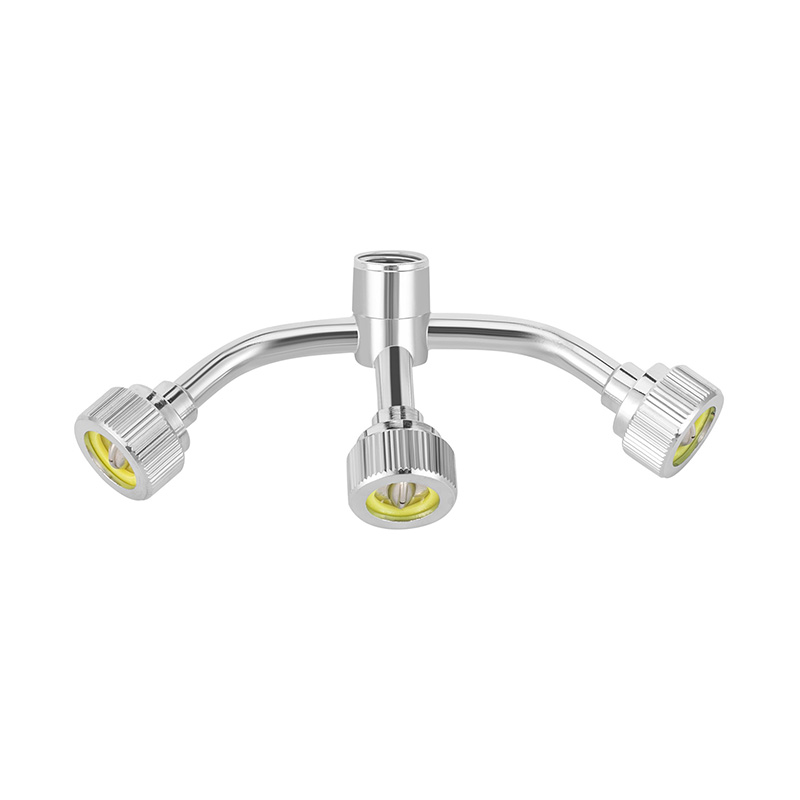
Spray from drones is not the same as spray from the ground. Droplets are released from a height. Wind affects them quickly. Nozzle design sets the starting speed, droplet size, and release angle. These all change how liquid reaches the plants.
High-pressure nozzles make a firm stream. This helps droplets move down efficiently. The focused spray helps stop droplets from spreading out too much before they hit the target. This is very useful for tall crops or thick canopies. Steady downward movement makes sure spray covers many layers of leaves.
Pesticide gun nozzles with adjustable flow let users match output to the drone's speed and height. Smaller droplets can cover leaves evenly. Larger droplets help reduce evaporation while flying. By choosing the right nozzle settings, users can meet crop needs. They do not have to change the drone's flight path.
Aerial spraying is very sensitive to wind. Even light wind can push droplets off course during flight. Nozzles with a focused spray and wind-resistant design help keep the droplet path predictable. This lets drones treat crops without needing extra passes for missed spots.
Adjustable spray angles help with targeting in narrow crop rows or odd-shaped fields. Users can tilt or point the nozzle based on the drone's position and wind direction. This reduces spray going to the wrong place. Keeping the nozzle stable also helps. It makes sure each droplet follows a similar path. This improves evenness across the field.
Drone spraying is fast and efficient. But liquid and chemical use can go up if coverage is uneven. Adding a high-pressure spray nozzle lets users control the amount of solution put on each area. This reduces the need for extra passes. It helps balance good coverage with careful resource use.
Flow adjustment features let users fine-tune output for different crops or growth stages. For example, young plants may need a lighter spray to avoid too much water. Mature crops with thick leaves may need a steady volume to reach inner leaves. Choosing the right nozzle supports these changes. Users do not need to change flight patterns or add more gear.
Different crops bring different challenges for drone spraying. Orchards, vegetable plots, and field crops all have different canopy shapes. These shapes change how droplets settle. A nozzle that gives stable, adjustable delivery helps users manage these differences from the air.
For orchards, a downward spray helps reach fruit clusters and inner leaves. It also limits side drift. In vegetable plots, adjustable flow can target shorter plants with a wider spray pattern. Field crops like wheat or rice do well with a focused nozzle output. This can cover long rows evenly even when the drone flies faster.
Drones often have small tanks. They need refilling often. Nozzle strength is important to keep performance steady over many flights. Ceramic tips resist wear from chemicals and rubbing. This keeps the spray opening stable flight after flight. Brass fittings add support and stay strong under vibration and pressure changes. These changes are common during aerial work.
Steady performance means less downtime for fixes. It helps users finish spraying tasks efficiently. Predictable output also helps plan drone routes, tank refills, and worker schedules.
Users can watch droplet spread using sight or sensors. Then they can adjust spray output right away. Small changes in drone height, speed, or spray angle can make up for wind, temperature, or crop thickness. Pairing these changes with a high-pressure nozzle lets the drone keep good coverage. It does not need to use more total liquid.
By watching how the nozzle acts in different conditions, users can set routines for steady results. This reduces repeated spraying. It also supports better timing for aerial applications.
Using a high-pressure or pesticide gun nozzle well with drones needs planning. Equipment, flight control, and field conditions must work together. Good setup, tight fittings, and regular cleaning keep spray patterns stable. This helps the drone work predictably. Users can then focus on flight path, height, and timing. They can trust the nozzle to give steady output.
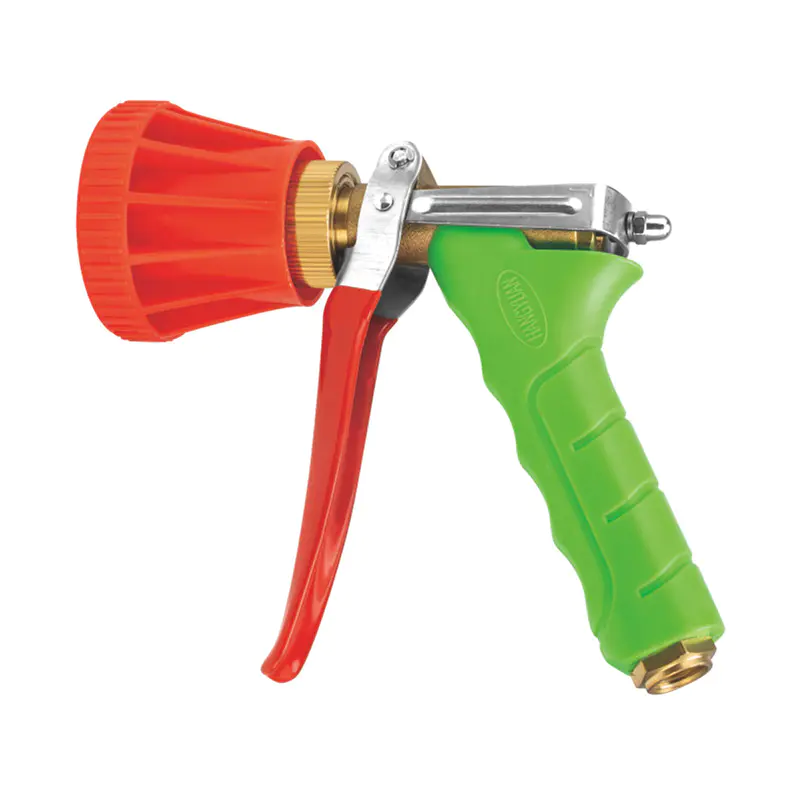
Dear users and buyers, I am honored to introduce t...
See Details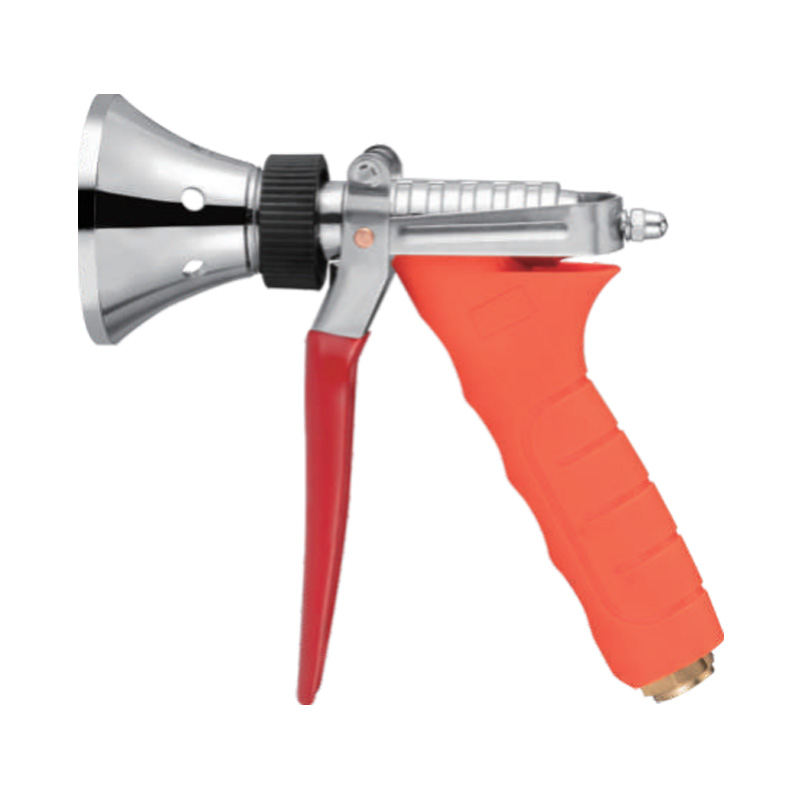
This 249g hollow windshield pesticide fine mist sp...
See Details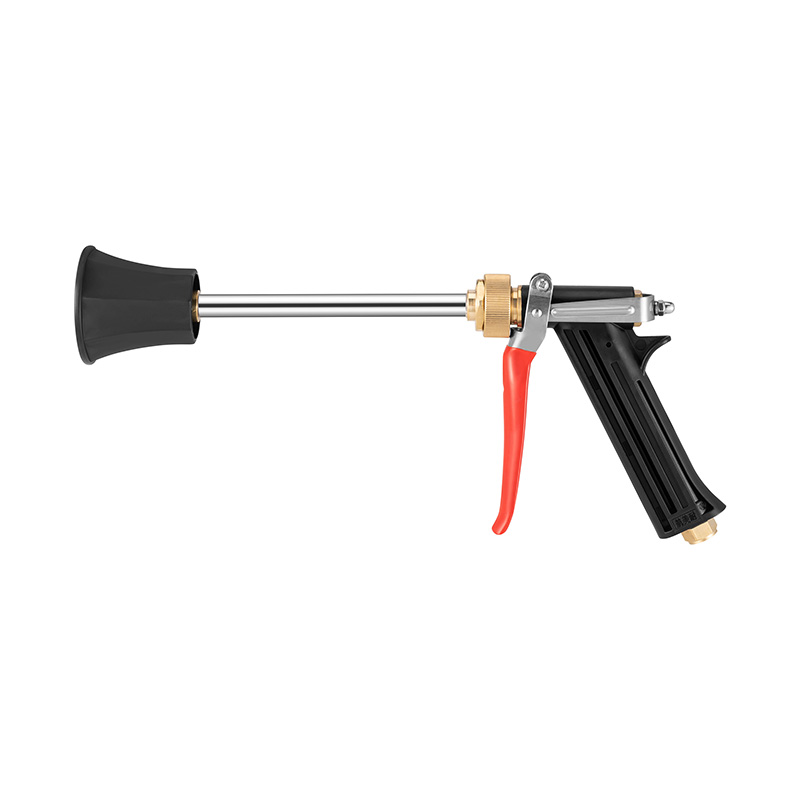
This is a long-handled PP windshield windshield gu...
See Details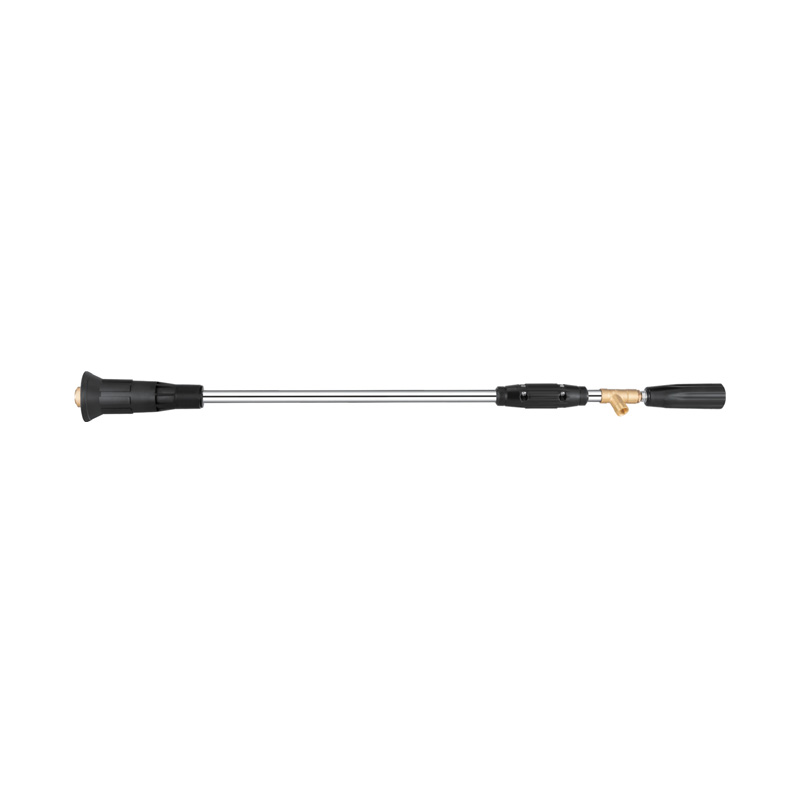
The 40/60/90cm weighted and adjustable ceramic agr...
See DetailsContinuous innovation
We firmly believe that through continuous development, our products will be able to adapt to the changing market environment, and we can provide users with better and more reliable solutions.
let’s talk