

 English
 Español
 简体中文
简体中文
In agricultural production, choosing the right spr...
See DetailsFarmers often face windy weather. This wind can make spraying less accurate and efficient. When using tools like the Agricultural High Pressure Spray Nozzle and the Pesticide Spray Gun Nozzle, how the airflow meets the spray is very important. Knowing how wind changes droplet movement, spray coverage, and where chemicals go can help users. They can change their methods and equipment settings. This helps keep spraying effective even on windy days.
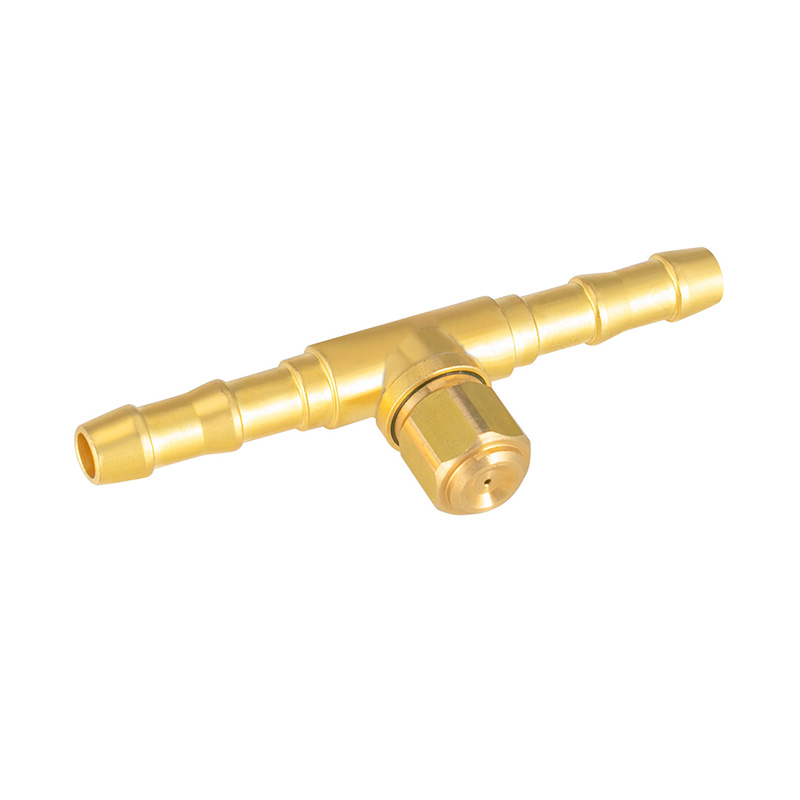
Strong wind or air currents can change a spray droplet's path a lot. A fine spray meant for leaves can drift away. It may land on soil, water, or other places not meant for it. Larger droplets may stay on path a bit better. But they can still be pushed aside, especially if the wind gets strong suddenly.
High-pressure nozzles usually make a more focused stream than low-pressure ones. This gives a clearer spray path. But wind can still bend it in the wrong direction. Users often see uneven coverage when spraying in steady wind. This happens even with normal nozzle settings.
The spray angle and droplet size work directly with wind conditions. A wider angle covers a bigger area. But it is easier for wind to push it away. A narrow angle focuses the spray. But it might miss parts of the target if the nozzle is not pointed right with the wind.
Adjustable nozzles let users change the angle and flow rate. This is a way to react to different wind speeds. By making the angle narrower in medium wind, the spray stays closer to the target. In calmer spots, increasing the flow can give good coverage. Then users do not need to spray the same area twice.
Open fields often have steady airflow. This can carry droplets far away. Tall crops like corn or fruit trees may get uneven spray. The wind can push part of the spray above or away from the leaves. Knowing how the nozzle acts in these conditions helps workers. They can change their position, spray height, and walking speed. This reduces spray going to the wrong place.
In orchards, wind can blow strongly between tree rows. This creates focused air movement. It makes droplets move in unexpected ways. A nozzle with a wind-resistant body can keep the spray more stable. This helps keep many liquid on leaves and fruit. Users can also spray different rows at different times. This accounts for changes in local airflow.
High-pressure nozzles make a stream that goes straighter to the target. This can be good in windy places. The spray's force helps droplets hit the intended surface before wind carries them away. But users must balance pressure and droplet size. Too much pressure makes very fine droplets that drift easily. Too little pressure may not reach the top leaves of tall crops.
The design of the pesticide gun matters too. Its weight, grip, and how the spray tip is set all change how steady the spray is in wind. A short, wind-resistant body can help the user keep control. It reduces mistakes caused by wind gusts.
Farmers can do several things to manage nozzle work when it is windy. Checking wind speed before and during spraying helps. It lets them decide to change the spray angle or wait for a better time. Sometimes, planting rows across the wind direction can reduce side drift.
Changing the nozzle height and keeping a steady walking speed also helps. It makes coverage more even. For tall crops or orchards, lowering the spray height a little can help. It avoids stronger winds higher up. Using steady pressure and checking the nozzle opening often is good too. It keeps the spray predictable, even after long use.
When wind moves spray off target, more liquid is needed to get the coverage wanted. This means using more water and chemicals. By knowing how the nozzle works with wind, users can spray less times. They can use more targeted amounts and keep application even. This careful way supports better use of resources. It also keeps crops well treated.
Nozzles made of ceramic or strong brass stay in good shape after much use. This is helpful when adjusting to wind. Steady spray openings and stable parts reduce changes in droplet size and path. This makes it easier for users to guess how the spray will act. Even when wind speed changes, stable equipment allows for adjustments. This keeps the application under better control.
Practical Thoughts for Field Work
Whether spraying vegetables, field crops, or fruit trees, knowing how nozzles and wind work together is useful. It guides where to spray, when to spray, and how to handle the equipment. High-pressure spray plus wind-resistant design helps users get more even coverage. It also reduces accidental drift. Watching conditions, making changes, and using equipment with predictable all help. They cause practical management of spraying jobs on windy days.
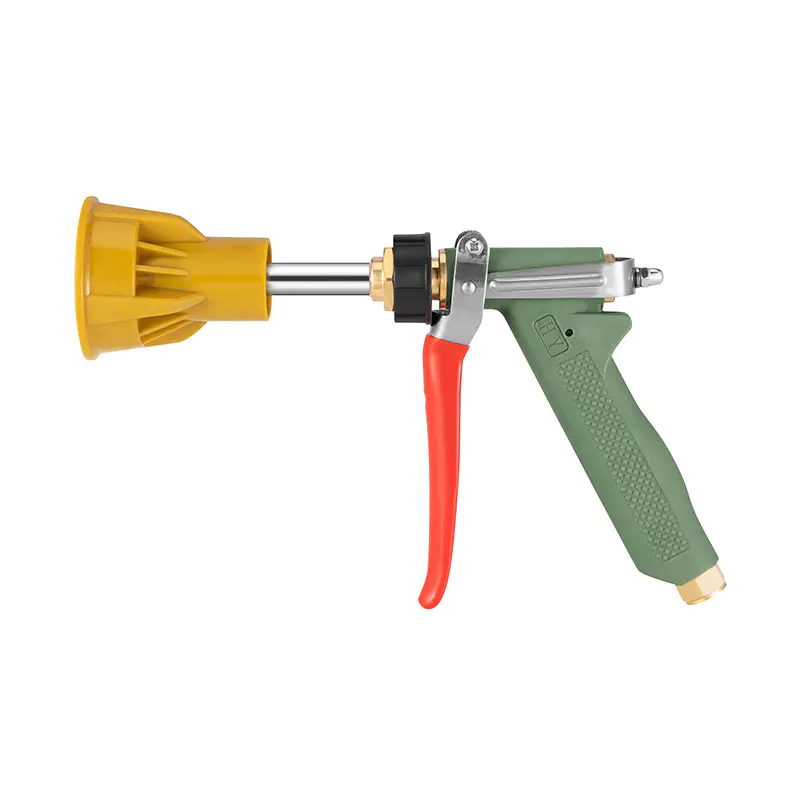
In agricultural production, choosing the right spr...
See Details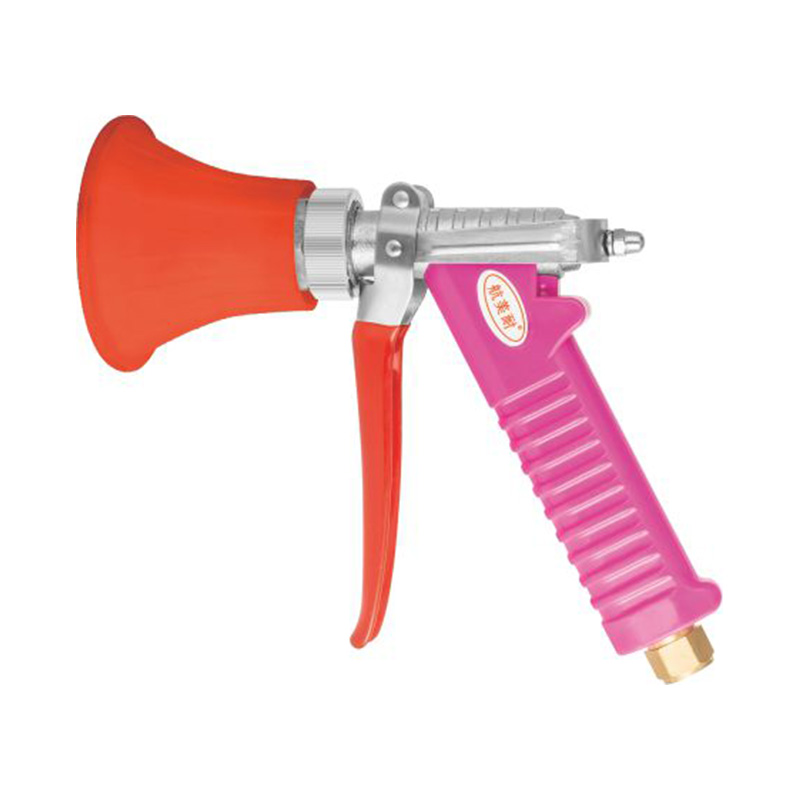
Landscaping and farmland spraying operations have ...
See Details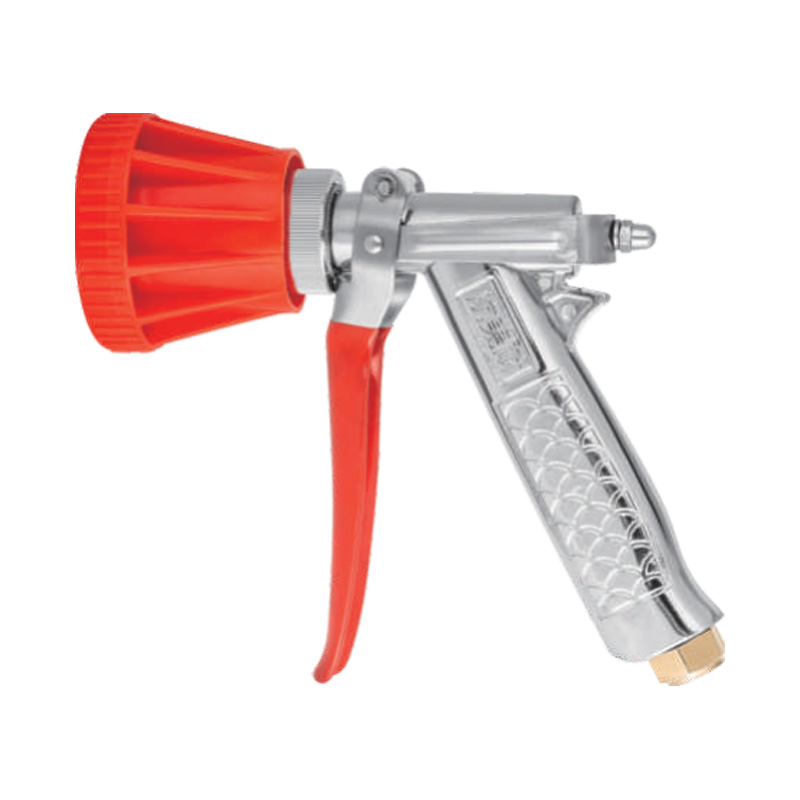
Dear buyers, Hangyuan is honored to have the oppor...
See Details
We are pleased to introduce to you our company's c...
See DetailsContinuous innovation
We firmly believe that through continuous development, our products will be able to adapt to the changing market environment, and we can provide users with better and more reliable solutions.
let’s talk