

 English
 Español
 简体中文
简体中文
This 387g large horn windproof short-gun spray gun...
See DetailsCrops with thick canopies or dense growth are hard to spray. Tools like the Agricultural High Pressure Spray Nozzle and the Pesticide Spray Gun Nozzle are often used. They help get better coverage in these situations. Knowing when and how to use these nozzles for thick plants is important. It helps workers spread liquid evenly. They can also keep control of flow, droplet size, and spray direction.
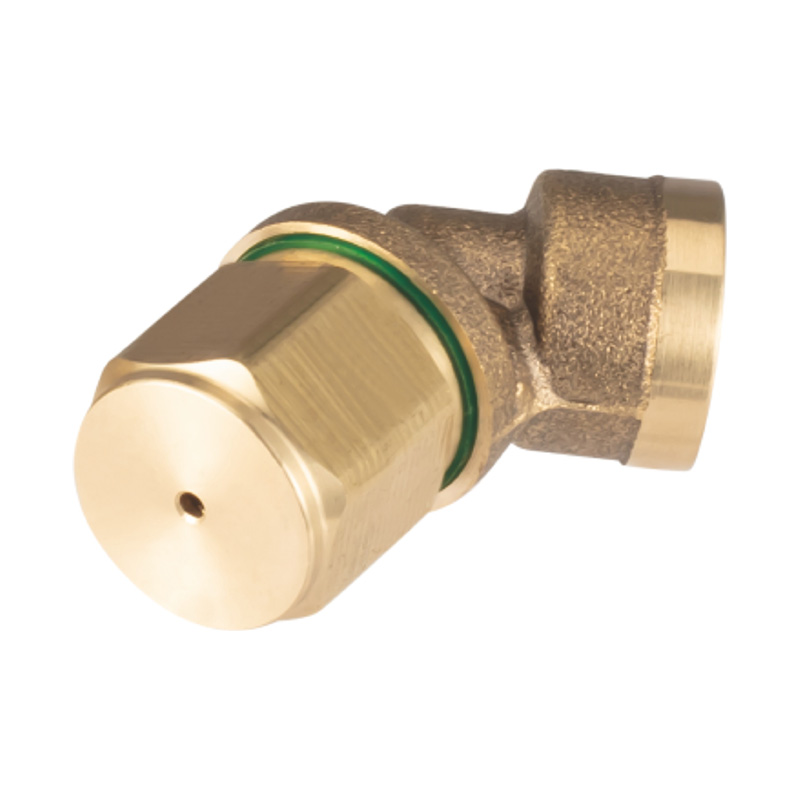
Dense growth happens in orchards, vegetable plots, or field crops where plants are close together. Leaves and stems can overlap. This creates areas that are hard to reach with normal spray tools. Putting pesticide or fertilizer here needs special equipment. The equipment must send spray through the canopy. It should not leave untreated spots or cause too much runoff.
High-pressure nozzles make a stronger, more direct stream. This helps the spray go through many layers of leaves. Pesticide gun nozzles with adjustable flow let users match liquid output to plant thickness. This makes sure coverage is even. It also avoids spraying too much or going over the same area twice.
With dense growth, spray angle is very important. A narrow angle can send droplets deep into the plant layers. A wider angle may cover the top surfaces better. Users can change the nozzle angle based on crop type and growth stage. This keeps the application even across different heights in the canopy.
Flow control is also key. Using less water in some spots can prevent puddles. Using more flow in thicker areas makes sure the solution reaches inner leaves. An adjustable pesticide gun nozzle lets users handle these changes easily. They do not need to change how they move or their coverage plan.
Droplet size matters a lot for reaching thick foliage. Fine droplets can move around leaves. They can land on hard-to-reach surfaces. But they also drift more easily if there is wind. Larger droplets are not pushed as much by wind. But they may not reach the deepest parts of the canopy.
Nozzles made for high-pressure delivery help balance droplet size and how deep it goes. Users can pick the right pressure settings and tip designs. This controls how the spray spreads based on how thick the plants are.
Spraying during cooler times is good. Early morning or late evening has less evaporation. Droplets can settle more evenly in thick growth. Wind speed is also lower at these times. This helps keep the spray on its intended path.
High-pressure nozzles and pesticide gun nozzles allow more control during these hours. The directed spray is not bothered as much by small air movements. This lets users cover dense areas well. They do not need to use more total liquid.
Thick plants often need careful nozzle placement. Users may need to come at the rows from different angles. They may need to change the spray height. This makes sure the spray hits all surfaces.
A light, easy-to-carry nozzle helps keep control when moving around thick leaves. Users can keep hand pressure and distance from leaves steady. This supports even spread through the whole canopy. Moving at a regular speed is good too. It stops too much liquid from building up in one spot. It also helps droplets reach lower leaves as well as top ones.
Spraying thick plants often puts wear on equipment. Branches or stems can touch the nozzle. Nozzles made of ceramic or strong metals keep their shape and opening after much use. This steadiness makes sure droplet size and spray angle stay the same. This is important for covering dense areas without extra passes.
Cleaning the nozzle often stops clogs from dirt. Clogs happen more when spraying thick foliage. Keeping the nozzle in good shape supports reliable performance. It helps users change flow and spray pattern when needed.
Orchards with fruit trees gain from high-pressure nozzles. These reach inner leaves and fruit bunches. Vegetable plots with close plants need careful angle and flow changes. This covers all surfaces without making the soil too wet. Field crops like wheat, corn, or rice can have thick growth stages. Here, getting spray to the lower canopy is key for even treatment.
Choosing the right nozzle and using good methods lets users handle these differences well. It gives more even coverage. It also cuts down on extra liquid use and avoids missed spots.
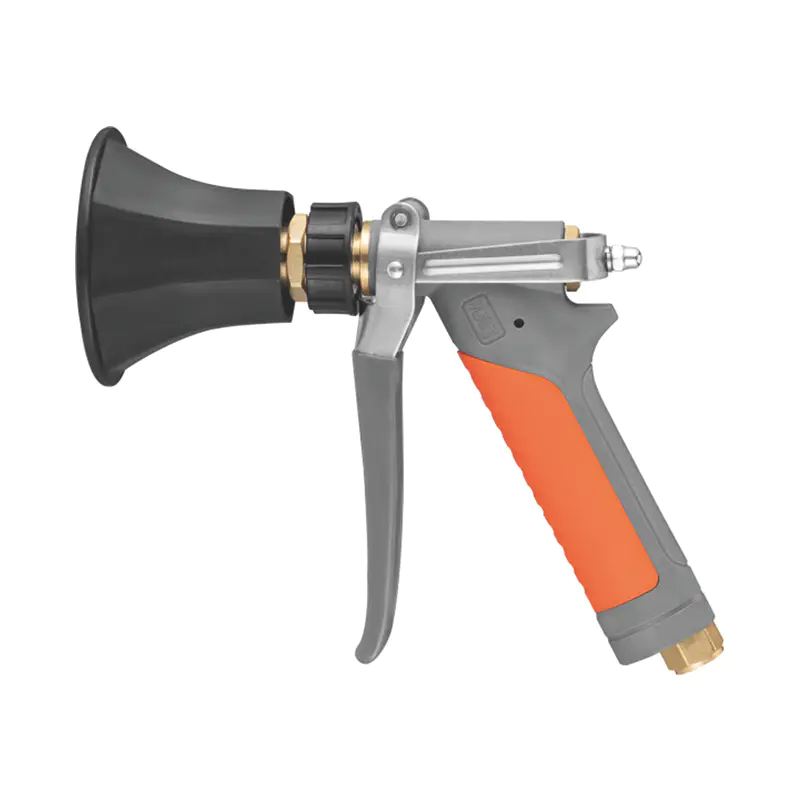
This 387g large horn windproof short-gun spray gun...
See Details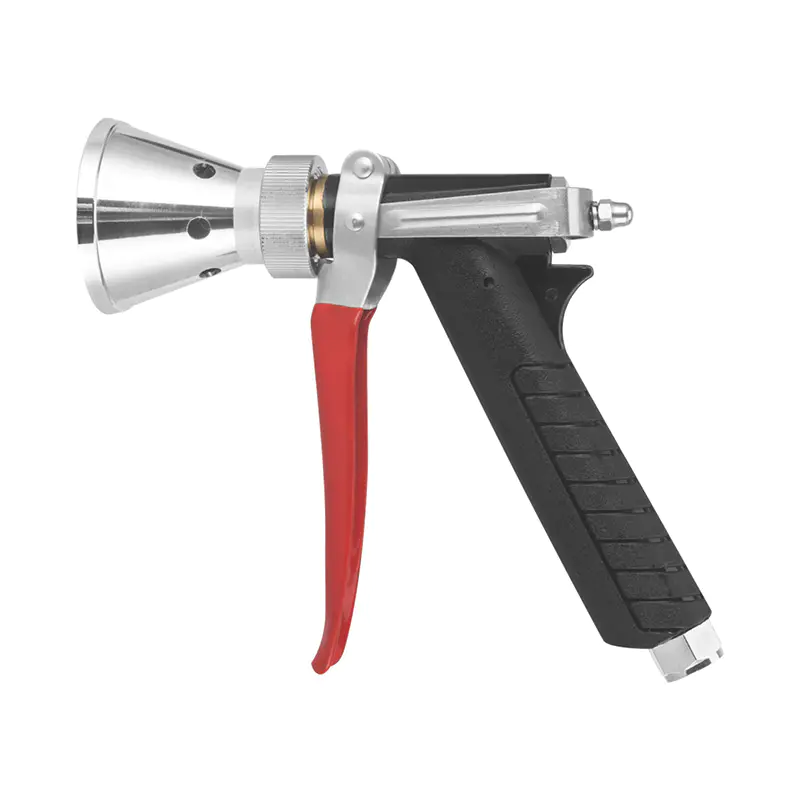
As a professional farmland spraying tool, Hangyuan...
See Details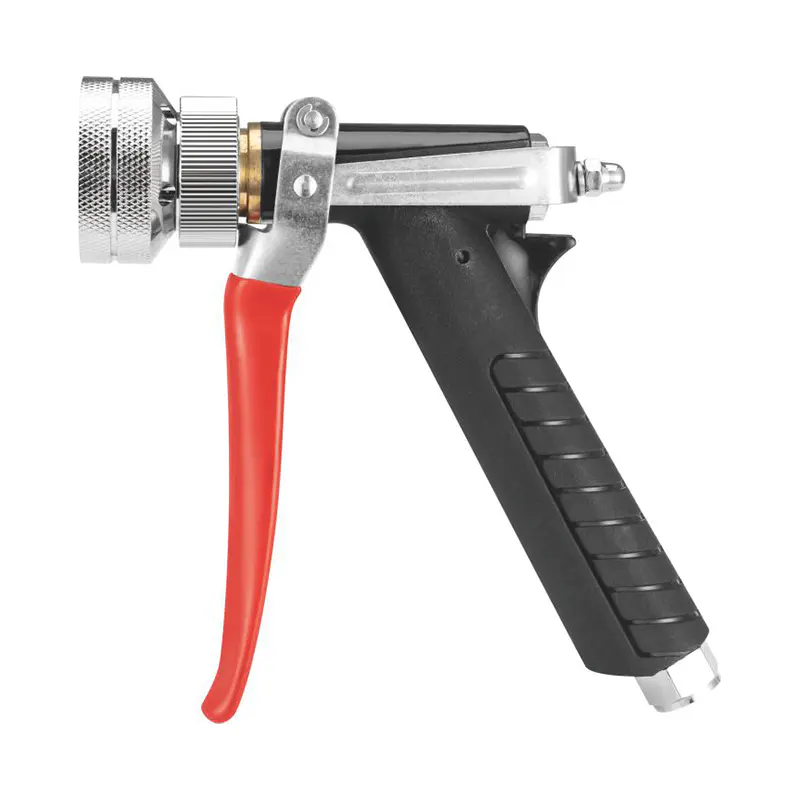
With the continuous development of agricultural te...
See Details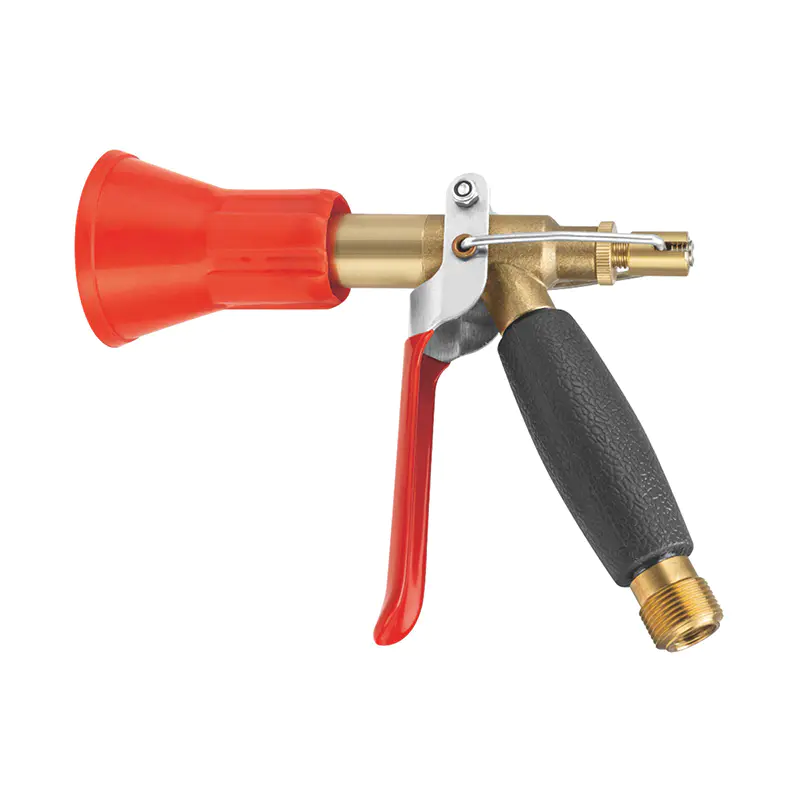
This 451g multi-functional all-copper agricultural...
See DetailsContinuous innovation
We firmly believe that through continuous development, our products will be able to adapt to the changing market environment, and we can provide users with better and more reliable solutions.
let’s talk