

 English
 Español
 简体中文
简体中文
In modern agricultural production, the choice of s...
See DetailsPrecision in pest control is crucial for effective crop management. The use of an Agricultural Spray Gun and the appropriate Pesticide Spray Gun Nozzle can greatly enhance the accuracy of pesticide application, ensuring that only the targeted areas are treated while reducing waste and environmental impact.
In modern agriculture, the precision of pesticide application plays a key role in maintaining crop health and reducing the environmental footprint. Inefficient spraying can cause pesticide drift, overuse of chemicals, and poor coverage, which may result in pests surviving the treatment. A high-quality agricultural spray gun, paired with the correct nozzle, helps target specific areas while ensuring an even distribution of pesticide.
The key to improving precision lies in the choice of nozzle and how the spray gun is calibrated. By adjusting the spray pattern and pressure, farmers can tailor the application to suit the particular needs of the crop and the pest situation.
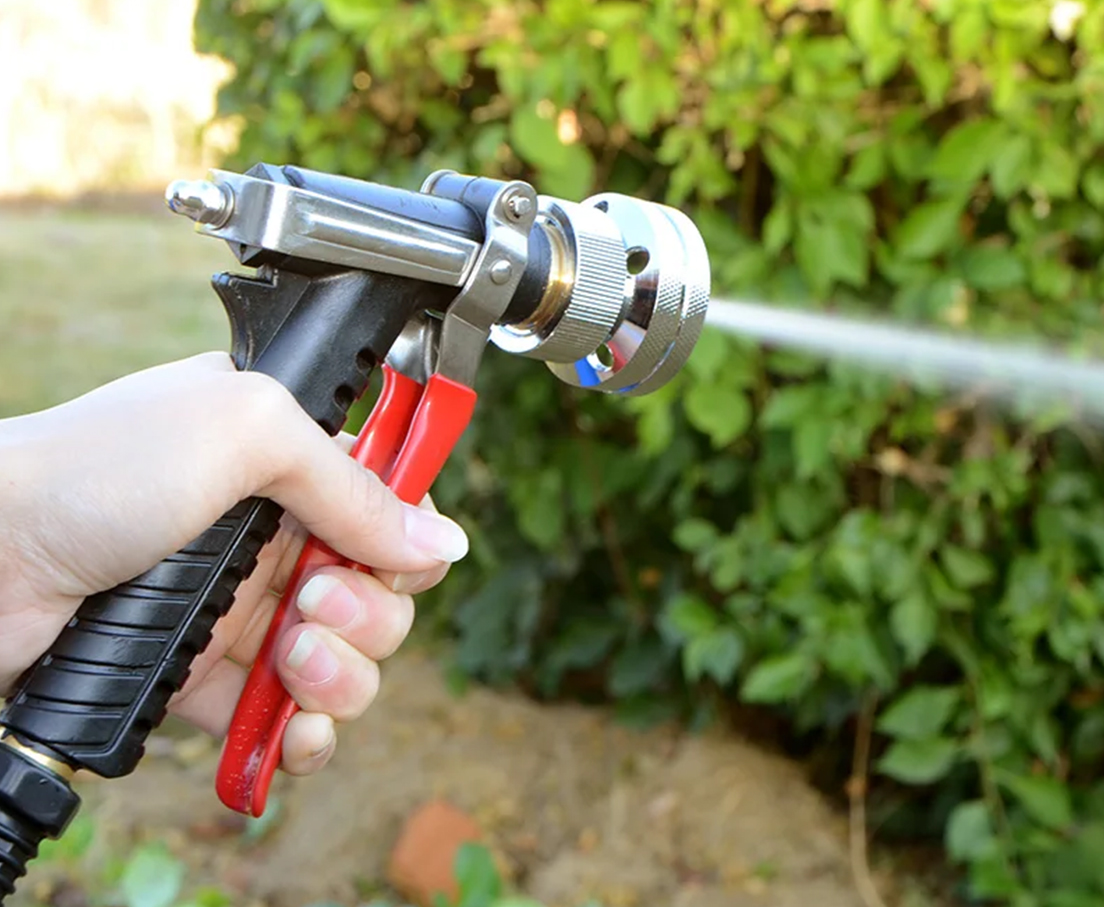
The nozzle is arguably an important component in ensuring accurate pesticide application. Different nozzles are designed for specific spraying needs, and selecting the right one can help achieve precise results. Here are some commonly used nozzles in agricultural spraying:
The nozzle type affects not only the spray pattern but also the size of the droplets, which can influence how the pesticide settles on crops. Larger droplets are less prone to drifting, while smaller droplets provide more even coverage but may be affected by the wind.
Several factors influence the precision of pesticide application, including pressure, nozzle size, and environmental conditions. Here's how these factors affect the outcome:
Consider the following tips:
Regular Calibration: Ensuring your equipment is properly calibrated before each use is critical for accurate application. Check the spray gun's pressure settings and the nozzle's flow rate to ensure consistency.
|
Nozzle Type |
Application Area |
Advantages |
Best Used For |
|
Flat-Fan Nozzles |
Large fields |
Uniform coverage |
Row crops, open fields |
|
Cone Nozzles |
Dense crops |
Effective on both sides of leaves |
Orchards, vegetable crops |
|
Hollow-Coned Nozzles |
Trees and shrubs |
Even coverage on various surfaces |
Tree plantations, orchards |
|
Air Induction Nozzles |
Windy or sensitive areas |
Reduced drift, larger droplets |
Areas with wind, sensitive crops |
Q1: How often should I clean my pesticide spray gun and nozzle?
A1: It's important to clean the equipment after each use to avoid clogging. Regular cleaning will also ensure that the spray gun and nozzles continue to function effectively over time.
Q2: Can I use the same nozzle for all types of pesticides?
A2: While many nozzles are versatile, it's a good idea to choose a nozzle that matches the specific chemical composition and viscosity of the pesticide for good application.
Q3: What's the way to adjust spray pressure for precision?
A3: Adjust the pressure based on the nozzle's specifications and the type of pest control you are performing. Lower pressure is typically used for larger droplets, while higher pressure creates finer droplets.
Q4: Can I use multiple nozzles for different parts of a field?
A4: Yes, using different nozzles can be beneficial, especially in large fields or areas with different crop densities. It helps provide a targeted application, improving efficiency.
Q5: How do I prevent pesticide drift?
A5: Use air induction nozzles that produce larger droplets to reduce drift. Additionally, avoid spraying during windy conditions and adjust the pressure to maintain larger droplets.
Q6: Do I need to calibrate my spray gun every time I use it?
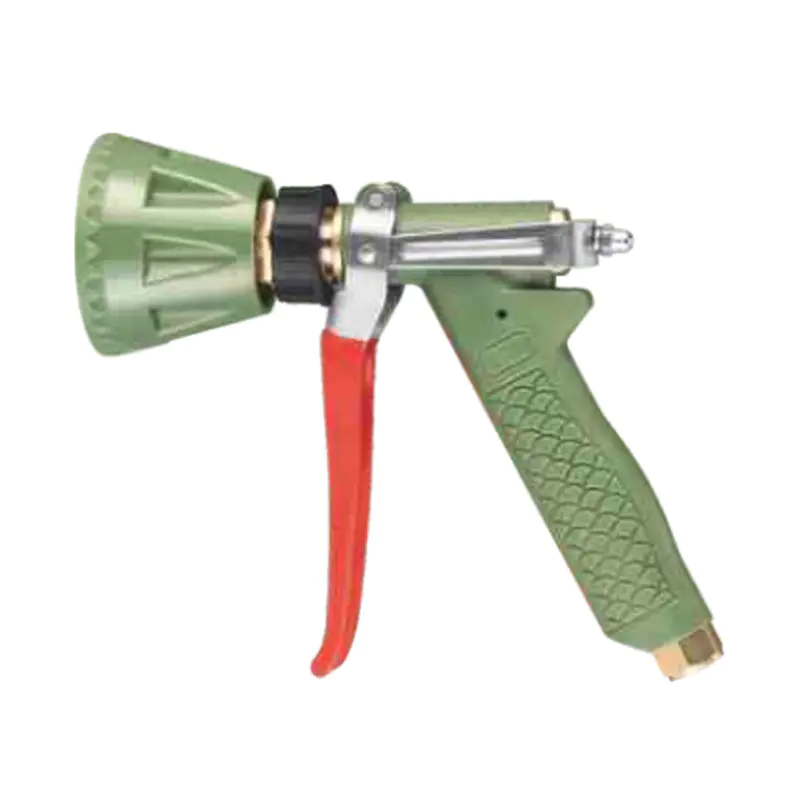
In modern agricultural production, the choice of s...
See Details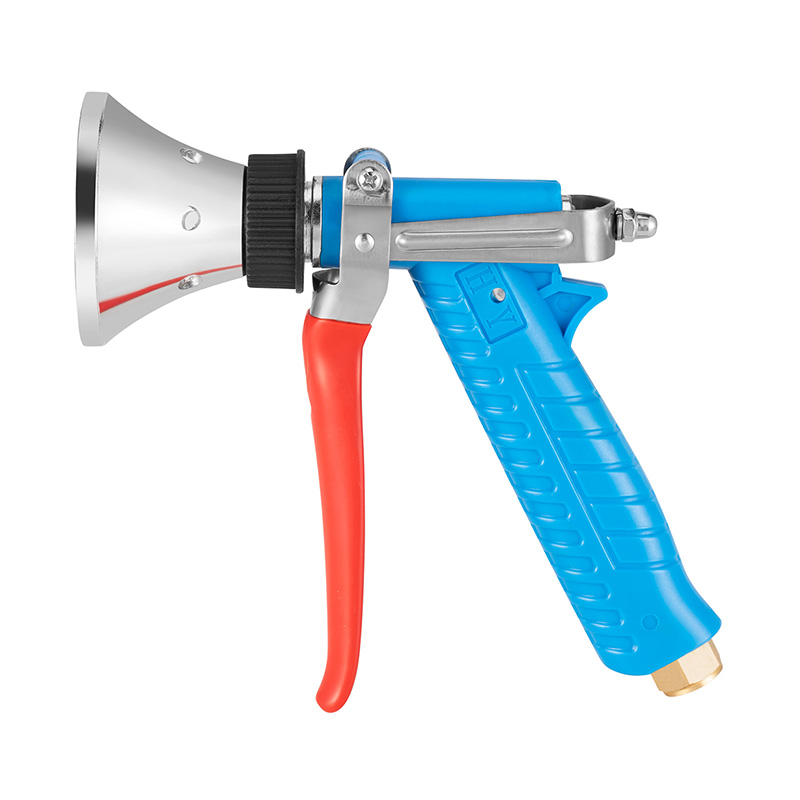
Dear buyers, thank you for your attention and supp...
See Details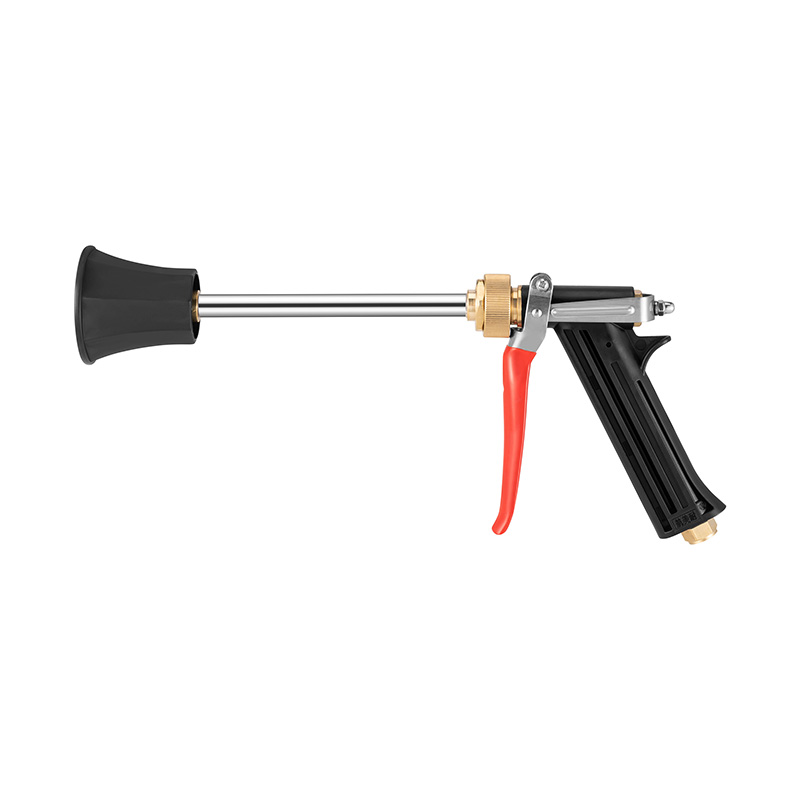
This is a long-handled PP windshield windshield gu...
See Details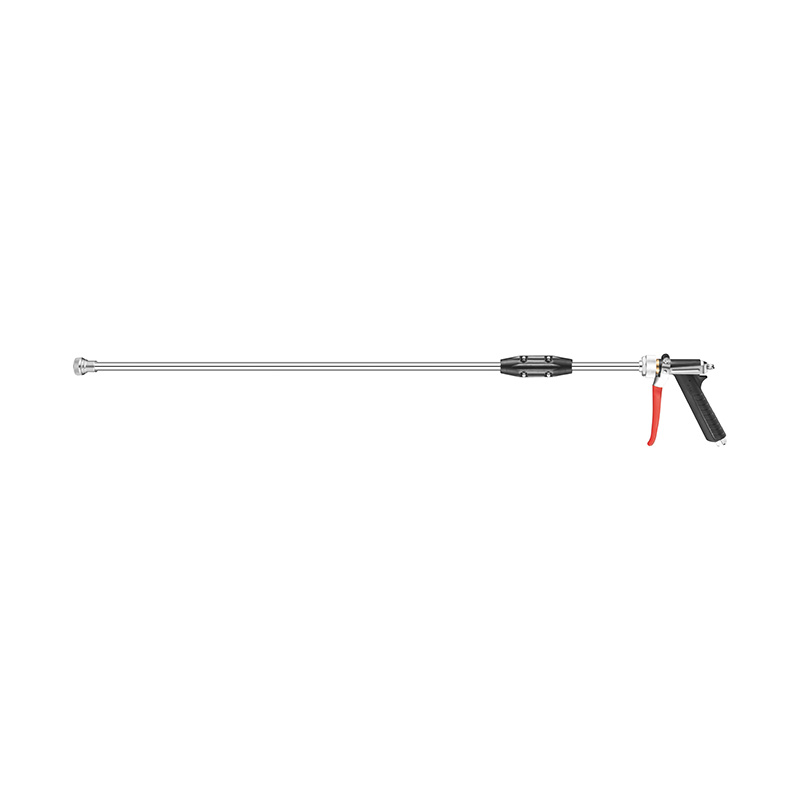
I am pleased to introduce to you the agricultural ...
See DetailsContinuous innovation
We firmly believe that through continuous development, our products will be able to adapt to the changing market environment, and we can provide users with better and more reliable solutions.
let’s talk