

 English
 Español
 简体中文
简体中文
The Weighted Silver Ceramic Nozzle Adjustable Atom...
See DetailsEfficient and precise application of pesticides is a key factor in maintaining healthy crops. An Agricultural Spray Gun and its components, such as the Pesticide Spray Gun Nozzle, are integral tools for improving the speed and effectiveness of pest control measures. The design and functionality of these tools directly impact both productivity and the quality of crop protection treatments. By selecting the right spray gun and nozzle, farmers can ensure more uniform coverage and reduce unnecessary chemical waste.
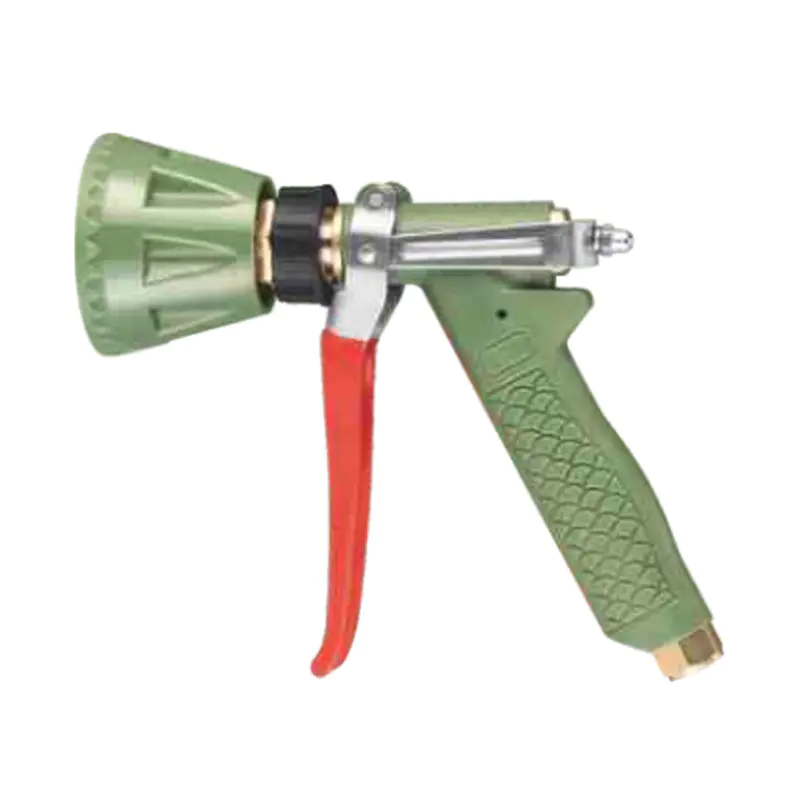
Agricultural spray guns come in a variety of designs and sizes, with each type tailored to specific applications. Some models focus on manual control for small-scale operations, while others are designed for use with larger sprayers in expansive fields.
The construction of the spray gun often includes adjustable pressure settings, allowing users to regulate the flow based on the type of chemical being applied and the level of coverage needed. Some spray guns are also designed with ergonomic handles, reducing user fatigue during extended application sessions. Additionally, many models come with detachable nozzles that allow for easy cleaning and maintenance, ensuring consistent performance over time.
The nozzle is a critical component in any agricultural spray gun. It determines the spray pattern and size of the droplets, which directly affect the accuracy of the pesticide application. Different nozzles are suitable for different tasks, and choosing the right nozzle can improve the efficiency and effectiveness of crop treatments.
Several factors affect the efficiency of agricultural spray guns and nozzles, including the type of pesticide used, the field conditions, and the equipment's compatibility with the sprayer.
To achieve the efficient and effective pesticide application, consider the following guidelines:
Always calibrate the spray gun before use to ensure that the correct volume of pesticide is being applied.
Regularly clean the nozzles to prevent clogging, which can cause uneven coverage.
Use a fan nozzle for large, open fields and a cone nozzle for dense crops or uneven terrains.
Adjust the spray pressure based on the pest type and the nozzle requirements to ensure uniform coverage.
Proper calibration, maintenance, and nozzle selection can improve the quality of pest control while reducing chemical waste and environmental impact.
Q1: How do I choose the right nozzle for my crop type?
A1: The nozzle choice depends on the type of crop, the target pest, and field conditions. Flat-fan nozzles work well for large areas, while cone nozzles are better for crops with dense foliage.
Q2: Can I use the same nozzle for different types of pesticides?
A2: Yes, but it is important to ensure the nozzle is compatible with the viscosity and chemical composition of the pesticide. Some nozzles are specifically designed for thicker pesticides.
Q3: How do I prevent pesticide drift during application?
A3: Using air induction nozzles can help reduce drift by producing larger droplets. Additionally, applying pesticides during low wind conditions and adjusting spray pressure can further reduce drift.
Q4: How often should I clean the nozzles of my spray gun?
A4: It is important to clean the nozzles after each use to prevent clogging and ensure consistent performance. A regular cleaning schedule, depending on usage, can improve the lifespan of the equipment.
Q5: Are agricultural spray guns suitable for organic pesticides?
A5: Yes, agricultural spray guns are suitable for organic pesticides as well. However, nozzle choice and spray settings may need adjustment based on the specific properties of the organic pesticide being used.
The Weighted Silver Ceramic Nozzle Adjustable Atom...
See Details
The Aluminum Handle Long Windproof Gun Adjustable ...
See Details
As a manufacturer, Hangyuan is honored to introduc...
See Details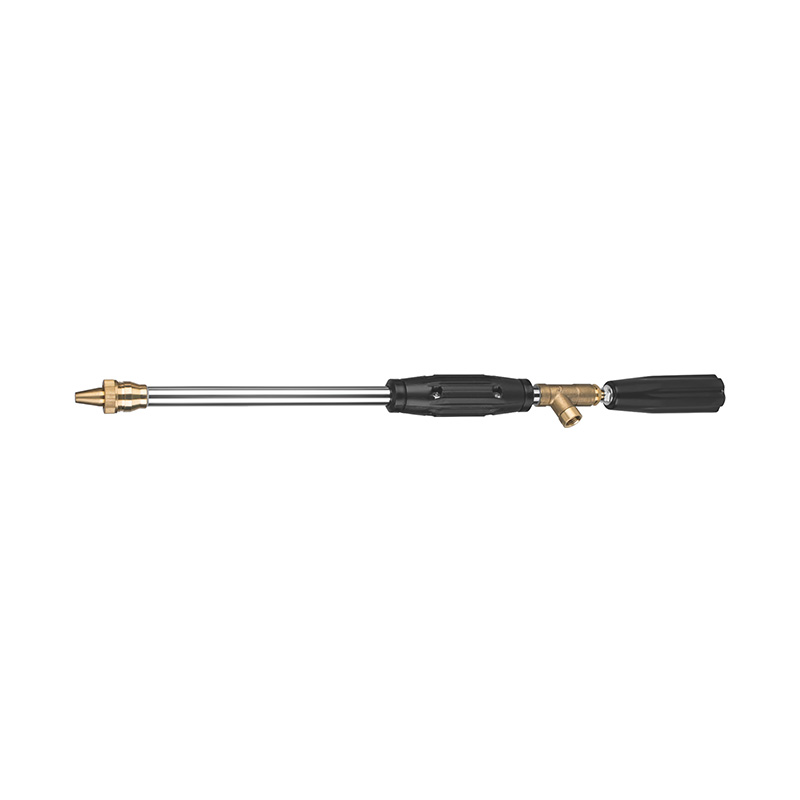
We are proud to introduce our 40/60/90cm weighted ...
See DetailsContinuous innovation
We firmly believe that through continuous development, our products will be able to adapt to the changing market environment, and we can provide users with better and more reliable solutions.
let’s talk