

 English
 Español
 简体中文
简体中文
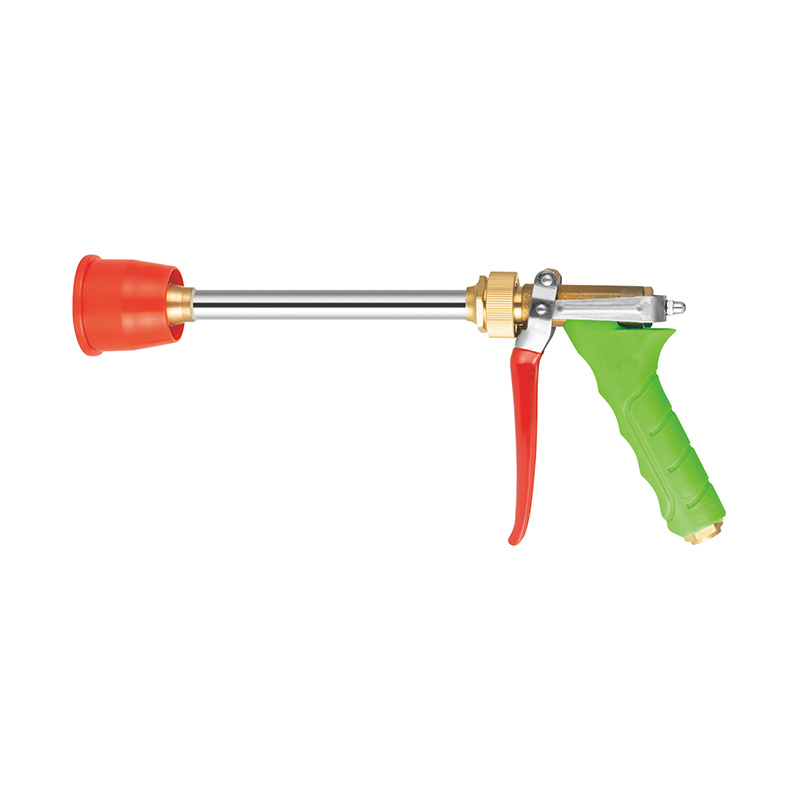
The Agricultural Wrench Multi-Function Precision L...
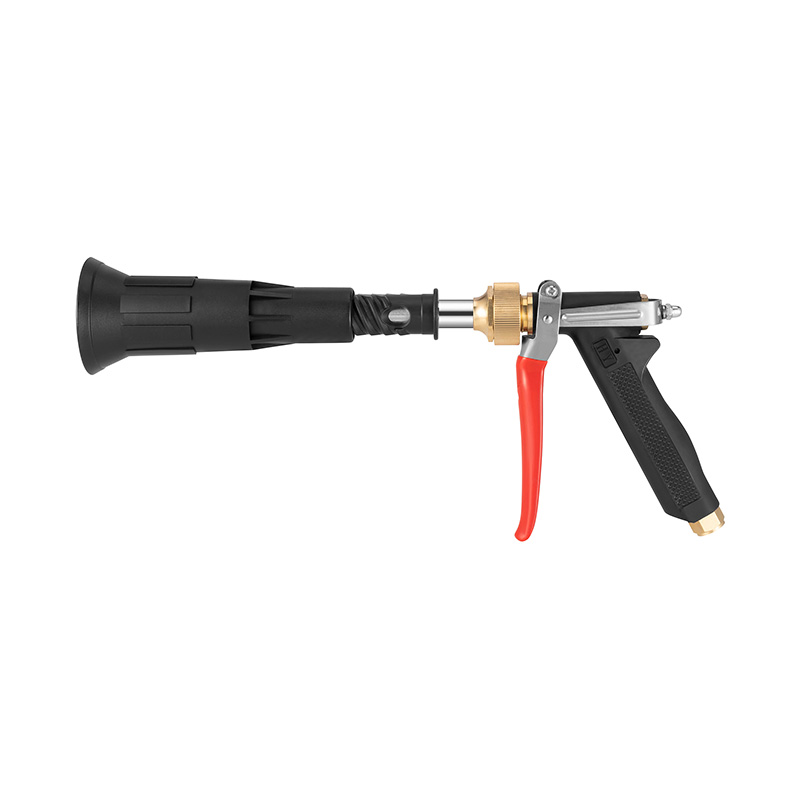
See DetailsThe use of pesticide spray guns is an essential practice in modern agriculture, particularly in managing pest control. However, the effectiveness of these tools heavily depends on the nozzle design and the spray pattern it produces. A well-chosen pesticide spray gun nozzle can make a significant difference in the uniformity and precision of chemical application across different crop types. By customizing spray patterns, growers can optimize pesticide use, ensuring that the crops receive the right coverage without wastage.
Flat Fan Nozzles
Flat fan nozzles are commonly used for broad-coverage applications. These nozzles produce a uniform fan-shaped spray pattern, which is effective for large, open fields where a consistent distribution of pesticide is essential. The angle of the fan can vary, depending on the target area's size and shape, making them versatile for row crops or wide fields.
Cone Nozzles
Cone nozzles are often used in situations where targeted pesticide application is necessary. These nozzles create a conical spray pattern that provides a concentrated spray at the nozzle's tip. They are suitable for smaller crops or areas with dense foliage, as the concentrated spray can penetrate the plants' surfaces more effectively.
Full Cone Nozzles
For applications requiring complete coverage, full cone nozzles provide an even, circular spray that is ideal for covering larger plant areas or when the crops have irregular shapes. This nozzle type is especially useful for crops like orchards, where uniform coverage of both the top and lower portions of the plant is crucial.
Flooding Nozzles
Flooding nozzles are designed to deliver a larger volume of pesticide in a relatively short time. These nozzles are used in situations where heavy pesticide application is necessary, such as when managing significant pest infestations. They are commonly used for vegetables and high-density crop areas.
Here's how different spray patterns can help enhance efficiency in specific crops:
Several factors influence the choice of a pesticide spray gun nozzle:
|
Nozzle Type |
Ideal Crop Type |
Application Area |
Advantages |
Considerations |
|
Flat Fan Nozzles |
Row crops (corn, soybeans) |
Large fields |
Even coverage, adjustable spray angle |
Can cause drift in windy conditions |
|
Cone Nozzles |
Greenhouse crops (tomatoes, cucumbers) |
Focused areas |
High concentration, minimal drift |
May require higher flow rate |
|
Full Cone Nozzles |
Orchards, Vineyards (apples, grapes) |
Irregular plant shapes |
Uniform, all-round coverage |
Larger droplet size, higher pesticide use |
|
Flooding Nozzles |
Vegetables, smaller crops |
Dense plant areas |
High-volume pesticide application |
Can cause pesticide runoff |
Q1. Can I adjust the spray pattern on my nozzle?
Yes, many nozzles come with adjustable features that allow you to change the spray angle and flow rate. This flexibility helps tailor the application to your field’s specific requirements.
Q2. How do I maintain my pesticide spray gun nozzles?
Regularly clean your nozzles to prevent clogging. After each use, rinse them with clean water and ensure they are free from pesticide residue. Store them in a cool, dry place to prevent damage from temperatures.
Q3. What is the impact of using the wrong nozzle?
Using the wrong nozzle can cause uneven pesticide coverage, which may result in ineffective pest control or wasted pesticide. It could also cause drift, where pesticide is carried away from the target area, potentially affecting non-target plants or the environment.
The Agricultural Wrench Multi-Function Precision L...
See Details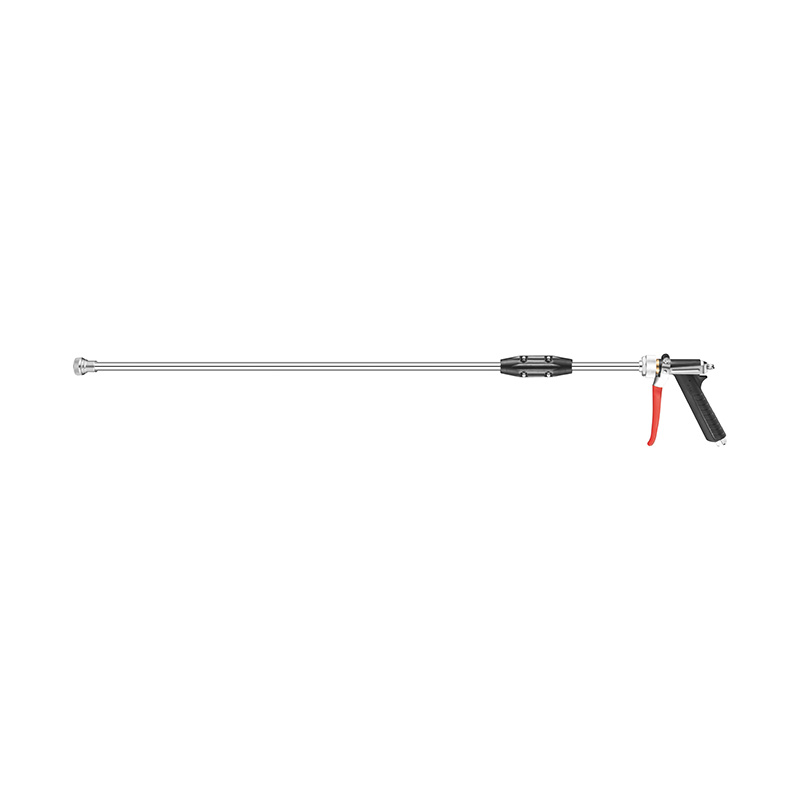
I am pleased to introduce to you the agricultural ...
See Details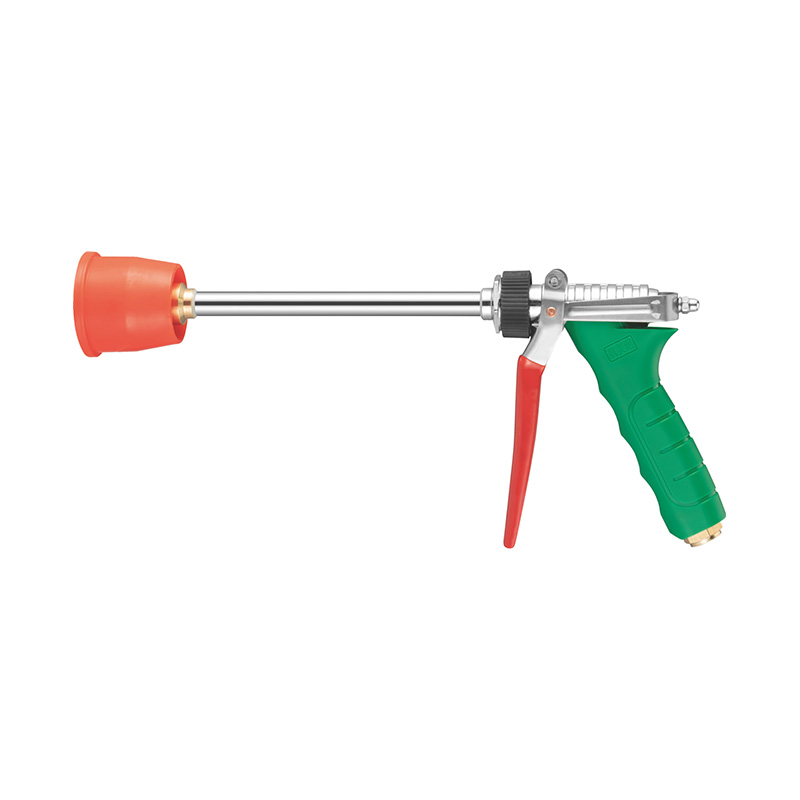
This 326g plastic handle long gun agricultural sup...
See Details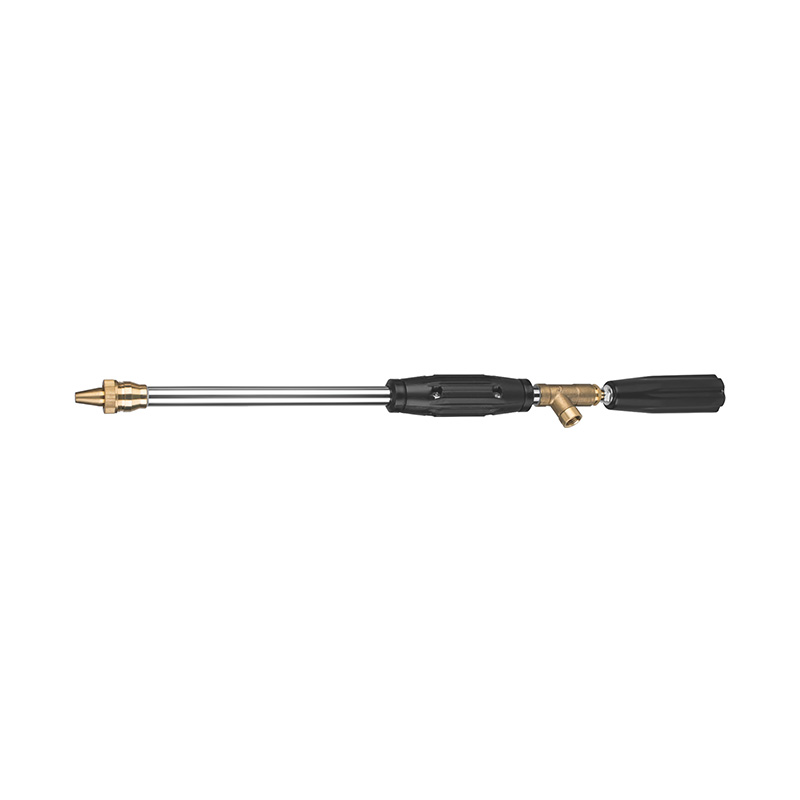
We are proud to introduce our 40/60/90cm weighted ...
See DetailsContinuous innovation
We firmly believe that through continuous development, our products will be able to adapt to the changing market environment, and we can provide users with better and more reliable solutions.
let’s talk