

 English
 Español
 简体中文
简体中文
This ordinary short windproof agricultural high-pr...
See DetailsClogging within an agricultural pressure adjustable nozzle is a frequent challenge that can disrupt spraying schedules and affect the consistency of application. When integrated with a garden high pressure spray gun, a clogged nozzle diminishes performance and requires time for cleaning and troubleshooting. Addressing the factors that contribute to blockages involves a combination of preparatory measures, routine habits, and an understanding of the system's components. Proactive steps can support steady operation and extend the functional period of the spraying equipment.

The quality of the water and the mixtures used are primary factors in nozzle clogging. Untreated water often contains sediments, minerals, and organic particles that can accumulate inside the nozzle tip and internal pathways over time. Using filters is a fundamental step; installing a fine mesh filter, or a series of filters with different densities, at the connection point between the water source and the garden high pressure spray gun can capture a significant amount of debris before it reaches the adjustable nozzle. For agricultural mixtures, such as fertilizers or pesticides, ensuring complete dissolution is equally important. Agitating the tank thoroughly and, when applicable, using compatible formulations that resist settling can prevent granules or undissolved particles from entering and obstructing the nozzle's aperture. For some water sources with high mineral content, considering water softening treatments may help reduce lime scale buildup that gradually narrows the spray channel.
Developing consistent routines during and after spraying plays a substantial role in preventing residue buildup. Before attaching the agricultural pressure adjustable nozzle, it is helpful to run clear water through the spray gun and hose for a minute to clear any loose debris from the line. During work, if switching between different chemicals, a thorough flush of the entire system with clean water is necessary to avoid chemical interactions that can cause precipitates, which are a common cause of clogs. This involves emptying the tank, filling it partially with clean water, and running the garden high pressure spray gun with the adjustable nozzle set to its wide pattern until only clear water is discharged. This simple practice removes many residual material from within the system before it has a chance to dry and harden.
Even with precautions, some accumulation may occur. Regular inspection and gentle cleaning help maintain clear openings. Periodically removing the agricultural pressure adjustable nozzle from the spray gun to check for visible debris or film on the tip and internal components is advisable. For cleaning, using soft tools is key to avoid damaging the precision parts. A small, soft-bristled brush, like a toothbrush, and a stream of water can dislodge many external particles. For internal cleaning, soaking the nozzle in clean water can soften residues. For more persistent mineral deposits, a mild vinegar solution can be used for soaking, followed by a thorough rinse with water. It is important to avoid using metal pins or hard wires to poke the nozzle opening, as this can alter the shape and size of the aperture, affecting spray pattern and flow rate. Compressed air can also be used cautiously to blow out water from internal channels after cleaning.
Clogging is not always isolated to the nozzle tip; issues elsewhere in the system can contribute to problems. Worn seals, O-rings, or damaged filters can allow larger particles to pass through. Regularly inspecting and replacing these consumable parts based on usage helps maintain a clean flow path to the nozzle. Furthermore, ensuring all connections between the hose, garden high pressure spray gun, and nozzle are secure prevents air leaks, which can sometimes affect pressure stability and contribute to irregular flow that may exacerbate settling. Storing the equipment properly by keeping the adjustable nozzle detached and in a clean, dry place protects it from dust and accidental impacts that could deform its internal structure. Keeping spare nozzles or filters on hand allows for quick replacement during a job if a clog cannot be immediately cleared, helping to maintain workflow continuity.
Recognizing the nature of the spraying material can guide specific preventive actions. Some organic formulations, wettable powders, or suspended concentrates have a higher tendency to settle. Increasing the frequency of tank agitation during use and shortening the intervals between flushing can be beneficial. When using a garden high pressure spray gun for tasks involving abrasive mixtures, such as certain cleaning solutions, a more diligent post-use cleaning routine is necessary. Environmental conditions also matter; spraying in very hot, dry conditions can cause liquids to evaporate quickly on the nozzle tip, leaving behind concentrated residues. A quick wipe of the nozzle exterior with a damp cloth during breaks can prevent this. By aligning maintenance actions with the specific demands of the liquid being sprayed and the working environment, users can develop a more effective overall strategy for reducing clogging incidents.
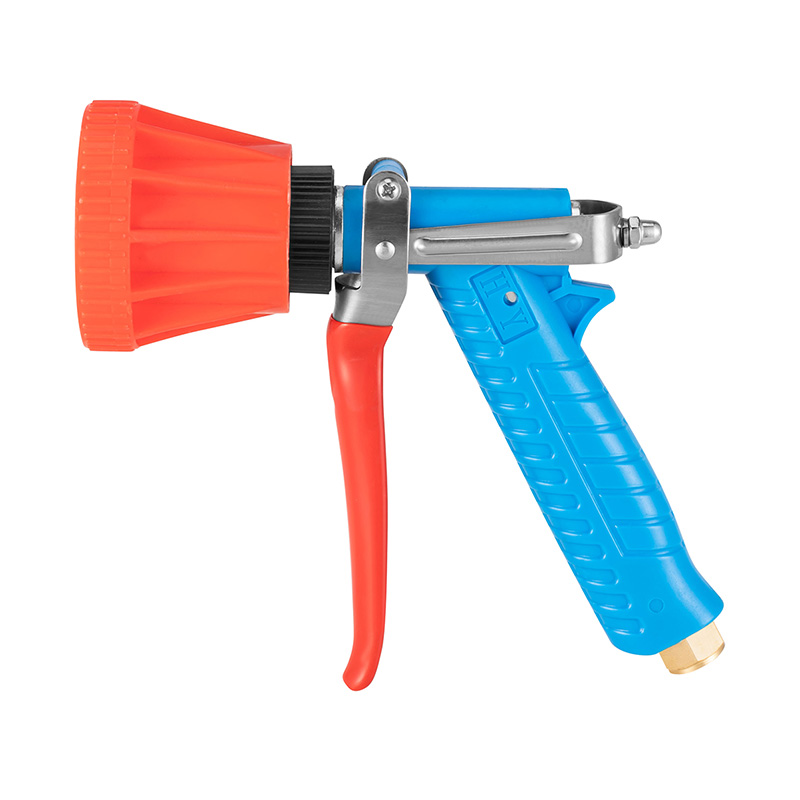
This ordinary short windproof agricultural high-pr...
See Details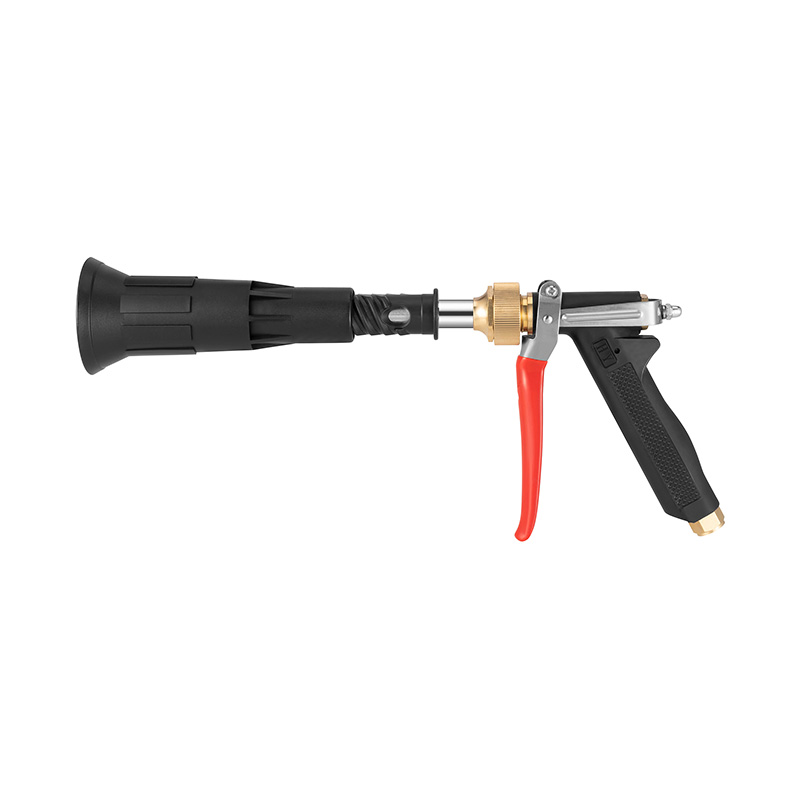
Dear customer, thank you for your attention to our...
See Details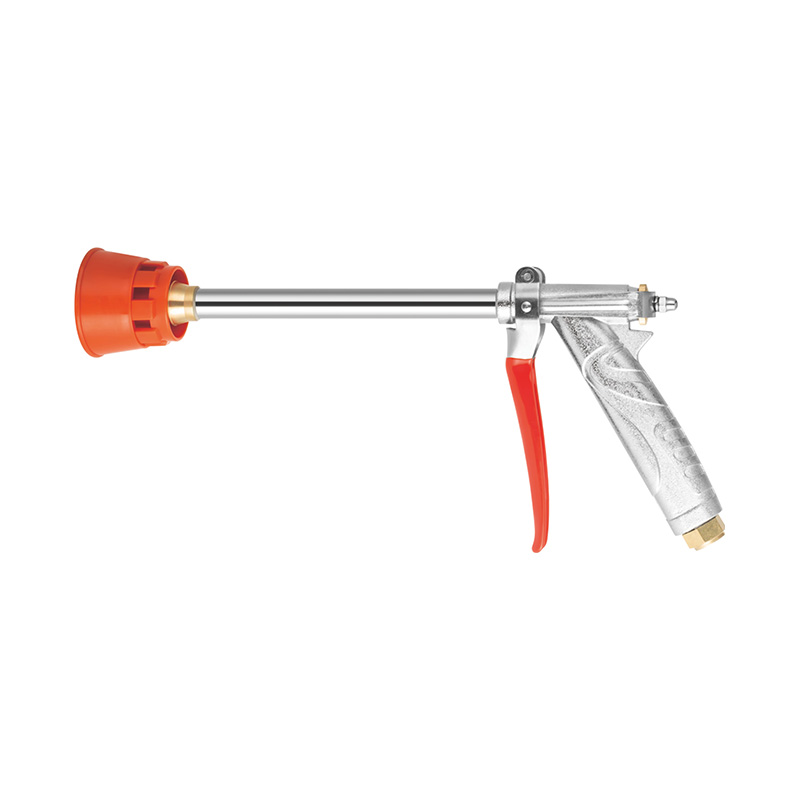
This high-precision, fine, and uniform atomization...
See Details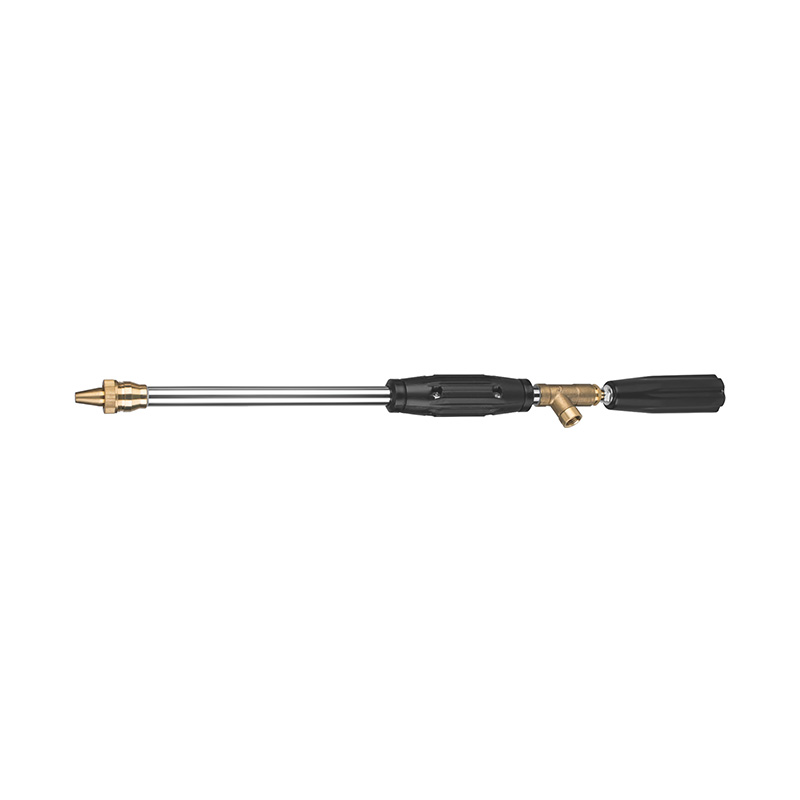
We are proud to introduce our 40/60/90cm weighted ...
See DetailsContinuous innovation
We firmly believe that through continuous development, our products will be able to adapt to the changing market environment, and we can provide users with better and more reliable solutions.
let’s talk