

 English
 Español
 简体中文
简体中文
Dear users and buyers, I am honored to introduce t...
See DetailsFertilizer application is becoming more focused on consistent distribution and efficient use of inputs, particularly as agricultural equipment manufacturers develop more controlled spraying systems. The nozzle plays an important role in determining how liquid is distributed across a crop or soil surface. For buyers sourcing an Agricultural High Pressure Spray Nozzle, the objective is not simply to increase spraying pressure, but to achieve a predictable flow rate and suitable coverage that match the equipment and application method.
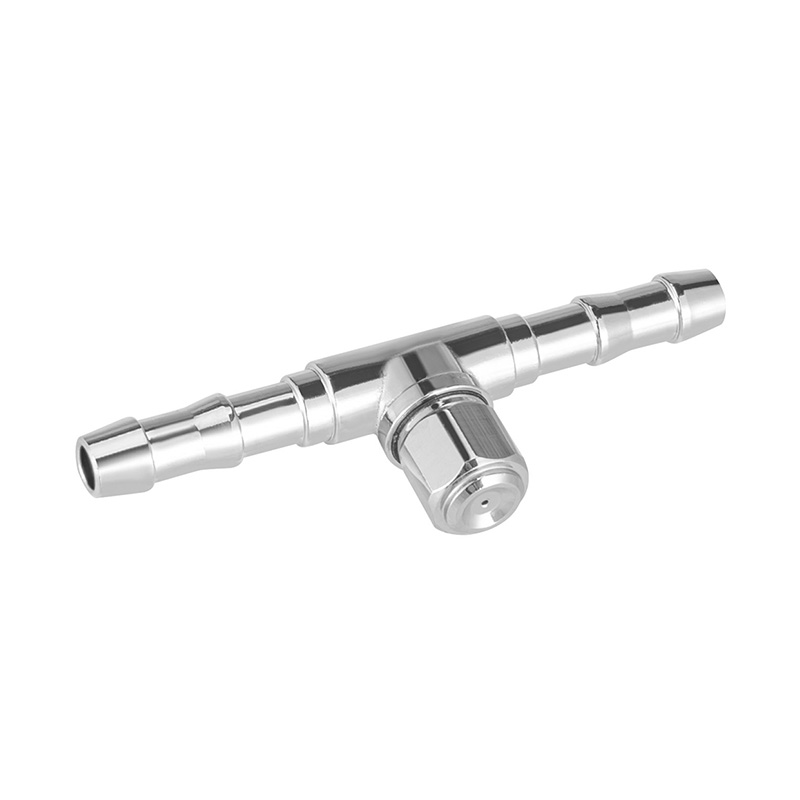
A nozzle with an unsuitable flow rate can create problems throughout the spraying system. Excessive output may advance to unnecessary liquid consumption, while insufficient flow can result in inadequate coverage. The correct flow rate depends on factors such as operating pressure, nozzle orifice, travel speed, and the required application rate. Procurement teams should evaluate these parameters together before selecting a nozzle.
Agricultural sprayers commonly use multiple nozzles positioned along a boom. If their flow or spray patterns are inconsistent, some areas may receive more liquid while others receive less. This can affect the overall uniformity of fertilizer application. A properly manufactured nozzle with consistent orifice dimensions can help equipment manufacturers build spraying systems with more predictable distribution from one position to another.
High-pressure spraying can provide the force required for certain agricultural applications, but pressure should remain appropriate for the nozzle design. Changes in operating pressure can affect flow and droplet formation. Instead of treating up to pressure as the primary purchasing criterion, engineers should establish the normal working range of the equipment and select a nozzle capable of operating consistently within that range.
Liquid fertilizers can vary in composition, concentration, and physical characteristics. These differences may influence nozzle selection and material requirements. A nozzle used regularly with a particular fertilizer formulation should be evaluated for chemical compatibility and resistance to the working environment. Discussing the actual liquid with the manufacturer can help prevent material selection problems during long-term operation.
Different fertilizer applications may require different distribution patterns. Broadcast spraying, band application, foliar feeding, and targeted application do not necessarily require the same nozzle configuration. Before purchasing high-pressure agricultural spray nozzles, buyers should define where the fertilizer needs to be deposited and how the sprayer is constructed. This makes it easier to select an appropriate spray angle and distribution pattern.
A technical specification can include several important details:
Providing these details allows the supplier to evaluate the nozzle according to actual operating conditions rather than relying on a generic product description.
Modern agricultural sprayers can incorporate electronic controls, variable-rate systems, and automated application adjustments. These technologies depend on stable mechanical components to deliver predictable results. Even advanced control systems cannot fully compensate for inconsistent nozzle output. For equipment manufacturers, nozzle quality should therefore be considered as part of the overall precision-spraying design.
From a manufacturing perspective, an Agricultural High Pressure Spray Nozzle should be selected according to the complete fertilizer application system. By reviewing pressure, flow requirements, fertilizer characteristics, nozzle spacing, and installation conditions, manufacturers can help buyers identify a suitable configuration. For agricultural equipment companies and large-scale buyers, this application-based approach can support more consistent fertilizer distribution while making nozzle sourcing more technically focused and commercially practical.
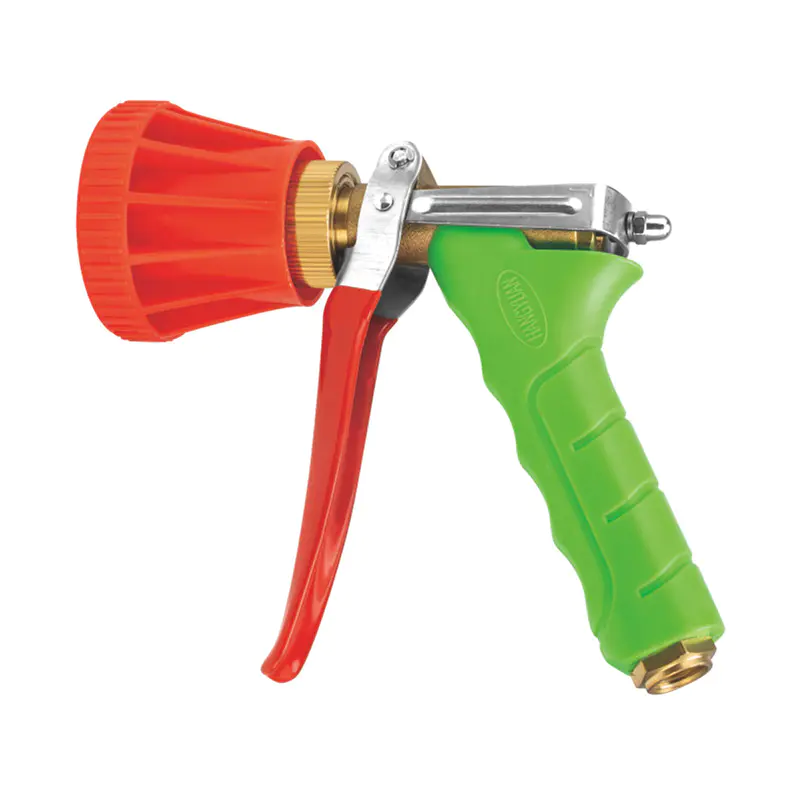
Dear users and buyers, I am honored to introduce t...
See Details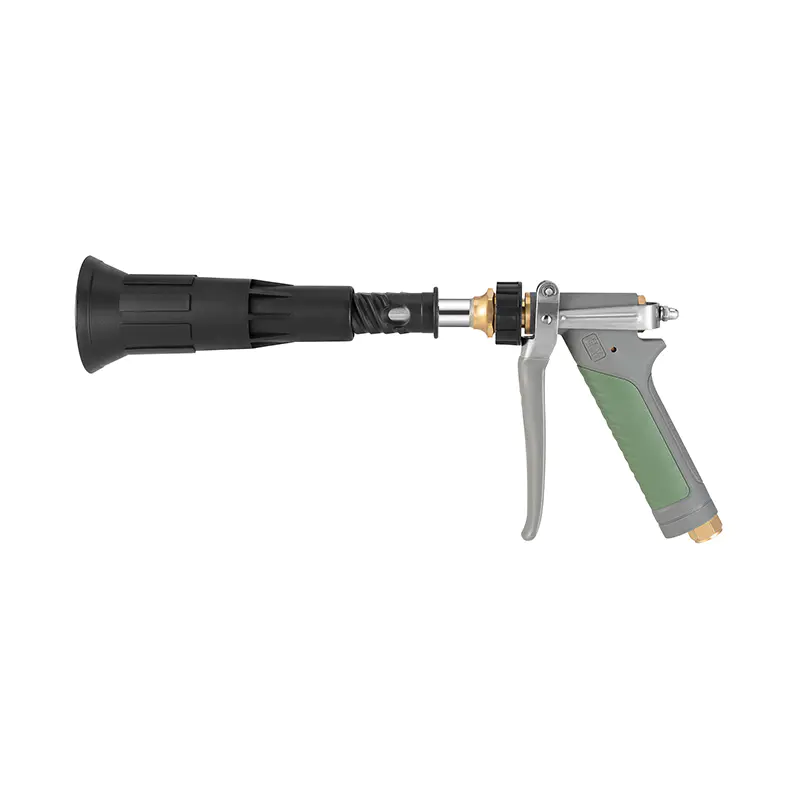
I am pleased to introduce to you the new 522g adju...
See Details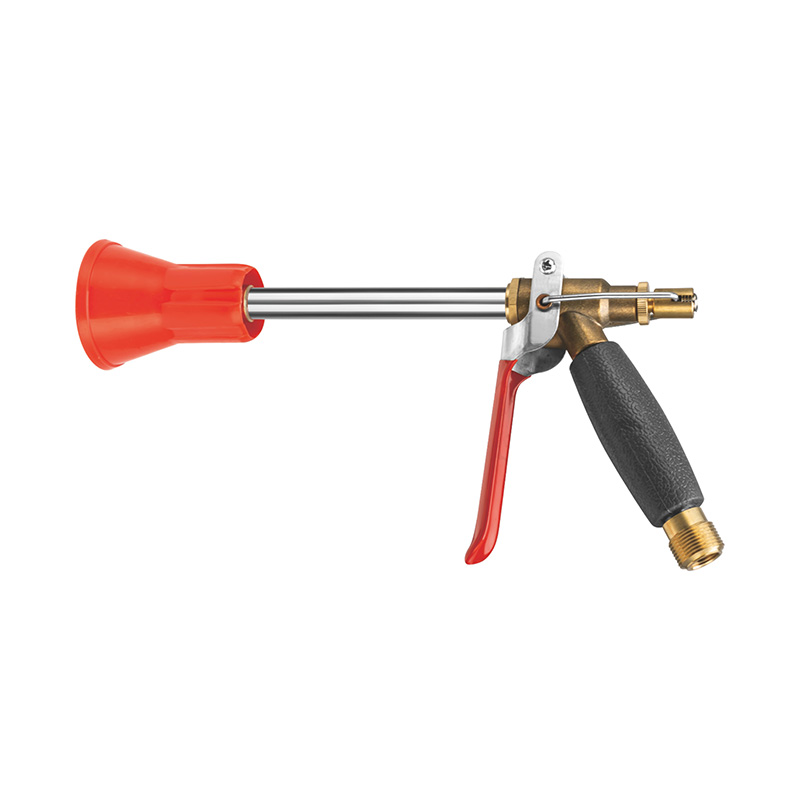
We are pleased to introduce to you our company's f...
See Details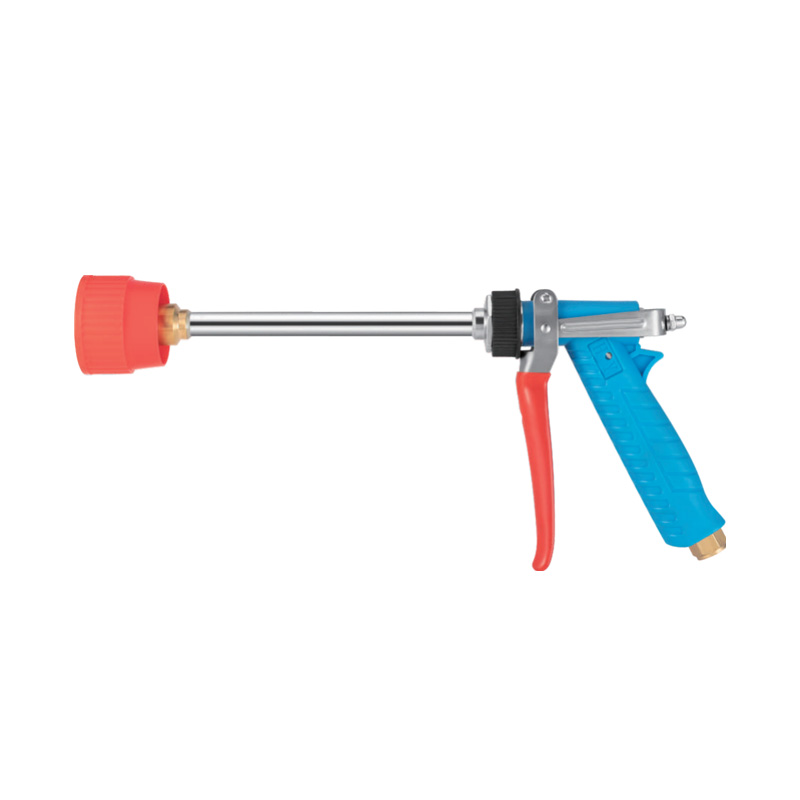
Our long windproof gun and high-pressure sprayer s...
See DetailsContinuous innovation
We firmly believe that through continuous development, our products will be able to adapt to the changing market environment, and we can provide users with better and more reliable solutions.
let’s talk