

 English
 Español
 简体中文
简体中文
This agricultural wrench high-pressure spray gun i...
See DetailsA spray nozzle may be a relatively small part of an agricultural sprayer, but its performance depends heavily on the system around it. Pump capacity, pipe diameter, nozzle spacing, operating pressure, connection method, and spray height can all influence the final application result. For agricultural equipment manufacturers and overseas procurement teams, choosing an Agricultural High Pressure Spray Nozzle should therefore be treated as a system-integration decision rather than a simple component purchase.
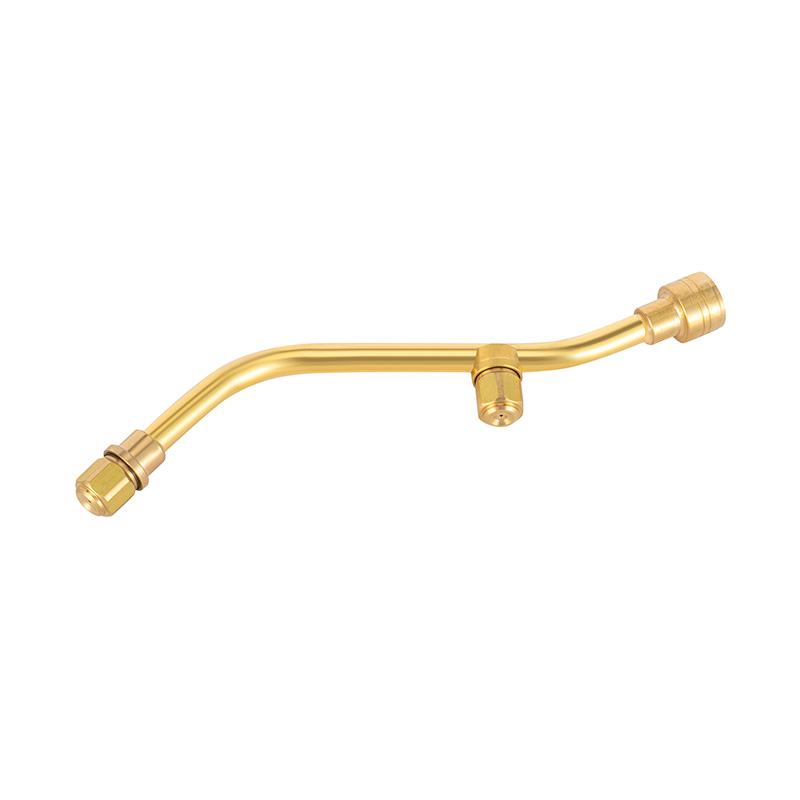
The pump determines how much liquid the spraying system can deliver, while the nozzle converts that supply into a specific spray pattern. If the pump output and nozzle requirements are poorly matched, pressure may fluctuate or the expected flow may not be achieved. Engineers should establish the normal operating pressure and available flow before selecting the nozzle, rather than selecting a nozzle and attempting to adapt the rest of the system afterward.
The distance between individual nozzles influences how spray patterns overlap across the working width. Incorrect spacing can create areas with excessive or insufficient coverage even when each individual nozzle performs correctly. During equipment development, engineers should consider nozzle spacing together with spray angle, boom height, and target coverage. This is particularly important when designing replacement systems for existing agricultural machinery.
A nozzle must be securely connected to the spray line while remaining practical for inspection and replacement. Thread dimensions, mounting style, sealing components, and connection orientation should all be confirmed before bulk purchasing. Standardized connections can also make maintenance easier when agricultural operators need to replace individual components in the field.
The nozzle is only the final point in a liquid delivery system. Long pipelines, unsuitable pipe diameters, excessive bends, filters, valves, and connectors can influence pressure distribution before liquid reaches the nozzle. If different positions along a boom receive noticeably different pressure, the resulting spray performance may also vary. System designers should therefore evaluate the complete fluid path when troubleshooting uneven application.
Agricultural equipment operates in environments where dust, plant residue, and other contaminants may enter the spraying system. Nozzles may eventually require cleaning, inspection, or replacement. A practical equipment design should allow operators to access these components without unnecessarily complicated procedures. Easy removal and clear identification can reduce maintenance time and help prevent incorrect nozzle installation.
When requesting an Agricultural High Pressure Spray Nozzle for a new or existing machine, procurement teams can provide:
A detailed technical brief gives the supplier enough information to evaluate compatibility before samples or production orders are confirmed.
For agricultural machinery with multiple spraying positions, individual nozzle consistency is important. Small differences in orifice dimensions, spray geometry, or manufacturing tolerances can create variation across the boom. Manufacturers should therefore pay attention not only to the design of the nozzle itself but also to dimensional control and inspection during production.
From a manufacturing perspective, the effective nozzle solution is one developed around the actual agricultural spraying system. An Agricultural High Pressure Spray Nozzle should work with the pump, pipework, mounting structure, pressure range, and application requirements instead of being selected from pressure specifications alone. Early technical communication between equipment engineers and the nozzle manufacturer can help identify connection, flow, and installation issues before they become costly changes during production.
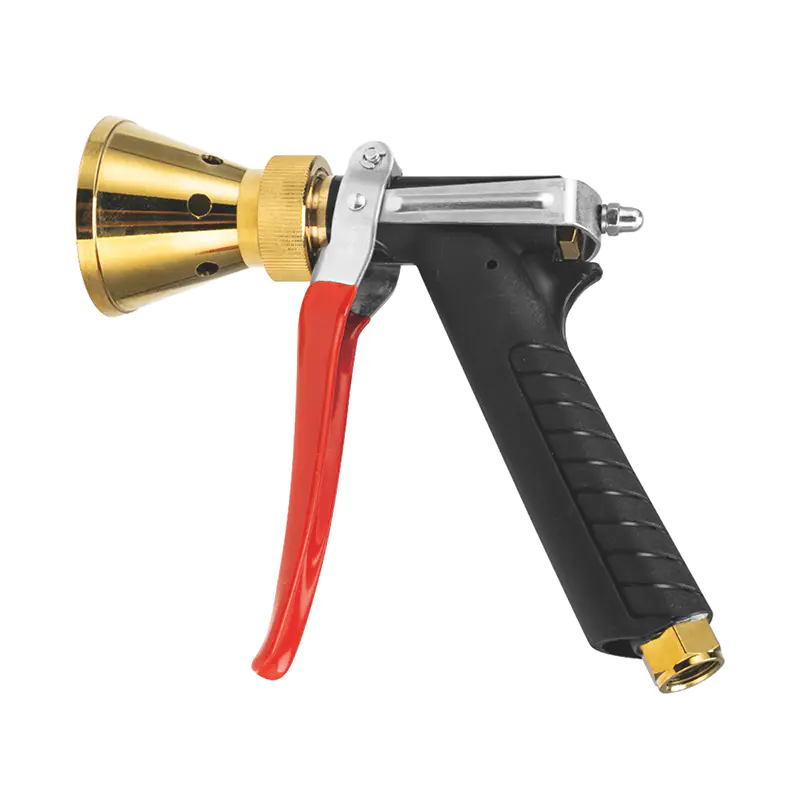
This agricultural wrench high-pressure spray gun i...
See Details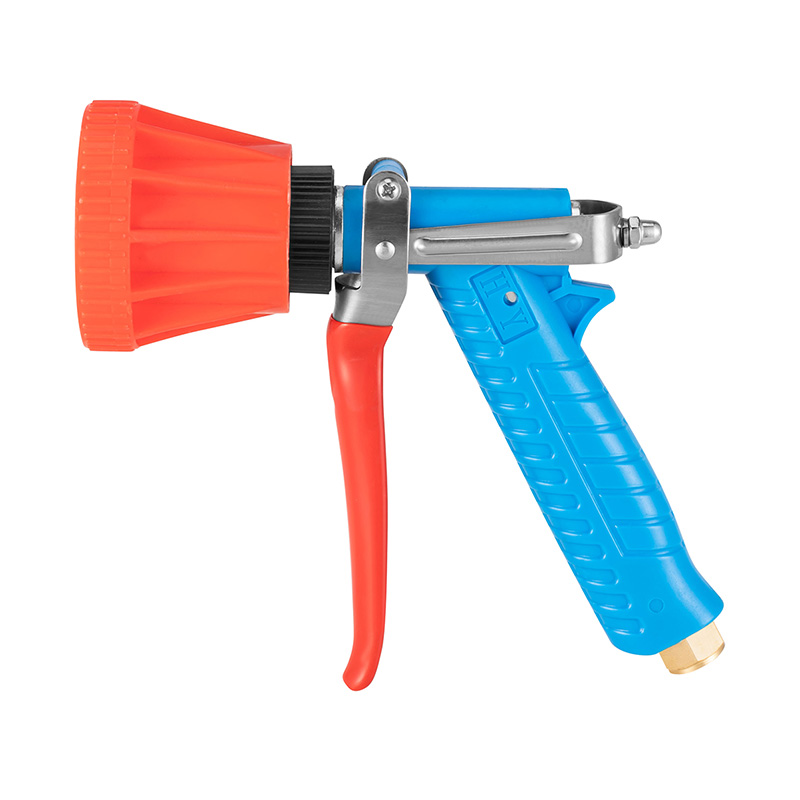
This ordinary short windproof agricultural high-pr...
See Details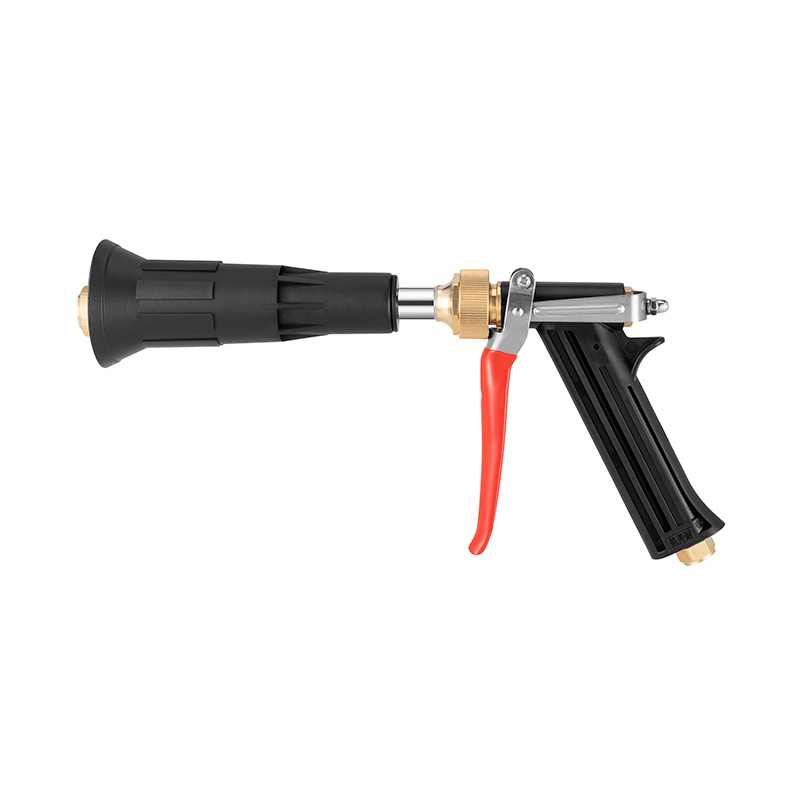
We are pleased to introduce to you the high-pressu...
See Details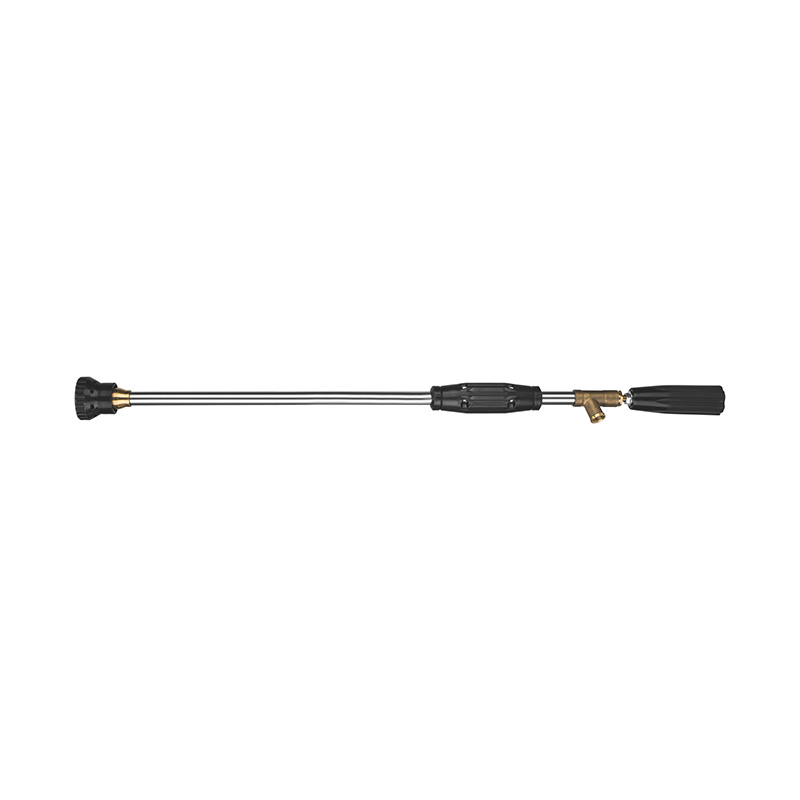
This 40/60/90cm weighted ceramic windproof agricul...
See DetailsContinuous innovation
We firmly believe that through continuous development, our products will be able to adapt to the changing market environment, and we can provide users with better and more reliable solutions.
let’s talk