

 English
 Español
 简体中文
简体中文
This 249g hollow windshield pesticide fine mist sp...
See DetailsSpray nozzles are small components, but their condition can influence the consistency of an entire agricultural spraying system. Continuous operation, abrasive liquids, chemical exposure, and improper cleaning can gradually affect nozzle performance. For buyers evaluating an Agricultural High Pressure Spray Nozzle, understanding wear indicators is useful not only when purchasing new components but also when planning equipment maintenance. A well-managed replacement strategy can help keep spray distribution more consistent and reduce avoidable application problems.
A worn nozzle does not always show visible cracks or deformation. Changes around the orifice can gradually affect liquid flow and spray characteristics while the component still appears usable. This makes visual inspection alone insufficient for some applications. Agricultural equipment operators should pay attention to changes in spraying behavior, especially when previously consistent coverage begins to vary across the boom.
Some agricultural formulations contain particles or materials that can gradually wear the nozzle orifice during continuous spraying. The effect depends on the liquid composition, nozzle material, operating pressure, and application frequency. When purchasing high-pressure spray nozzles for agricultural equipment, buyers should therefore consider resistance to the actual working environment rather than selecting a material based only on initial cost.
A change in spray pattern can indicate that a nozzle is no longer operating as intended. Distorted fan patterns, irregular cone distribution, or visible differences between neighboring nozzles may advance to uneven application across the treated area. Regular inspection allows operators to identify these changes earlier and determine whether cleaning, adjustment, or replacement is appropriate.
Cleaning is necessary for maintaining spraying equipment, but the method matters. Using unsuitable tools to clear a blocked nozzle can damage the orifice and permanently alter its spray characteristics. Instead of forcing debris through the opening, operators should follow appropriate cleaning procedures recommended for the specific nozzle material and application. Good maintenance practices can help protect the precision of the component.
Different nozzle materials offer different combinations of wear resistance, chemical compatibility, and service characteristics. For equipment manufacturers, material selection should be connected with the expected liquid, pressure range, operating frequency, and maintenance conditions. A stainless-steel nozzle may be considered for applications where durability is important, while engineered polymer options can provide another solution for suitable spraying environments.
For agricultural equipment operators and procurement teams, nozzle management can include several practical checks:
Keeping these checks as part of routine equipment maintenance can make nozzle replacement more predictable.
A spraying boom may contain many individual nozzles working simultaneously. If some components become significantly more worn than others, the system may deliver different spray characteristics across the boom. For this reason, replacing isolated nozzles without considering the condition of the surrounding components may not always provide the desired result. Buyers should assess nozzle consistency across the complete spraying system.
From a manufacturer's perspective, nozzle reliability begins before the component reaches the field. Consistent dimensions, controlled orifice geometry, suitable material selection, and appropriate production inspection all contribute to stable performance. When sourcing an Agricultural High Pressure Spray Nozzle, overseas buyers should communicate the working pressure, liquid characteristics, equipment configuration, and expected service environment clearly. A professional supplier can then recommend a suitable design and material for the application, helping agricultural equipment manufacturers maintain more consistent spraying performance over the product's working life.
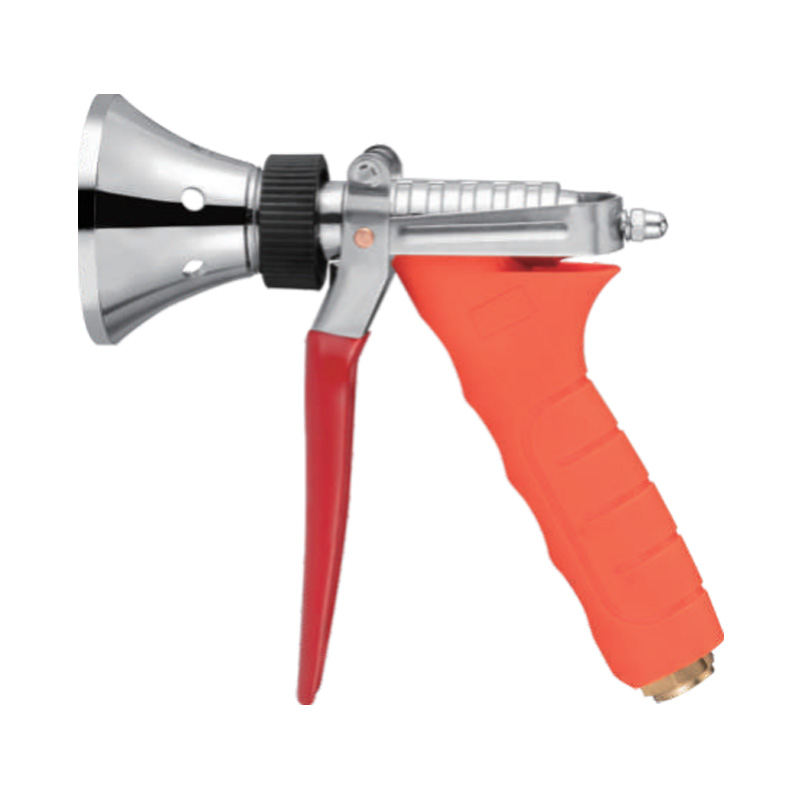
This 249g hollow windshield pesticide fine mist sp...
See Details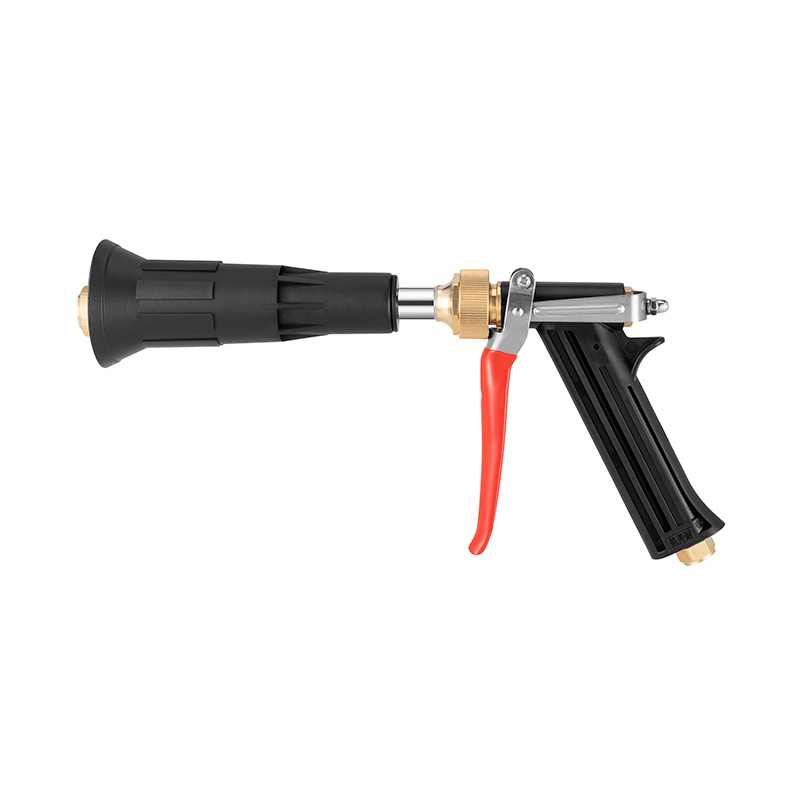
We are pleased to introduce to you the high-pressu...
See Details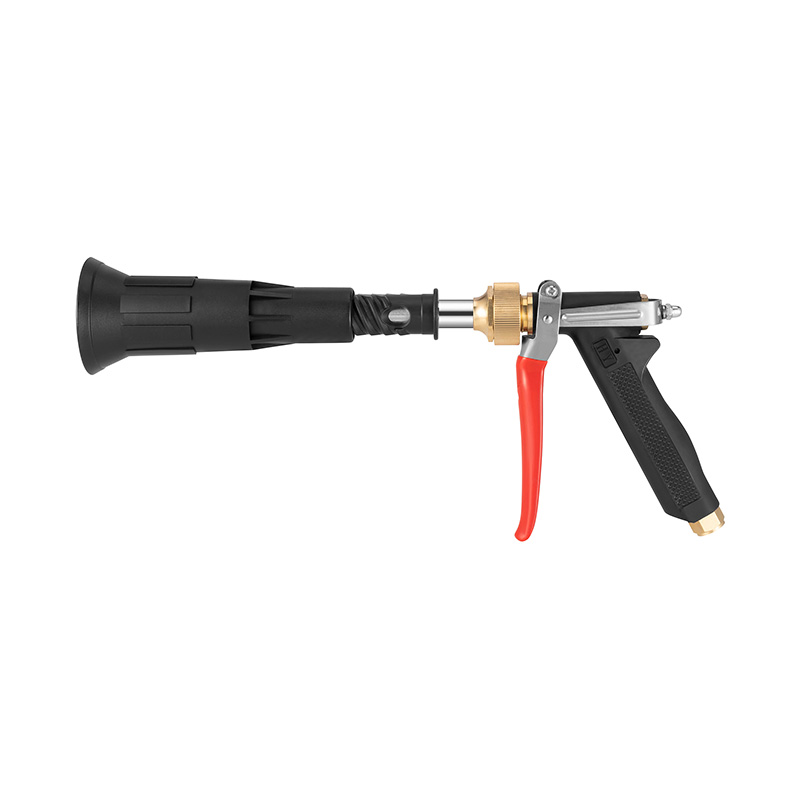
Dear customer, thank you for your attention to our...
See Details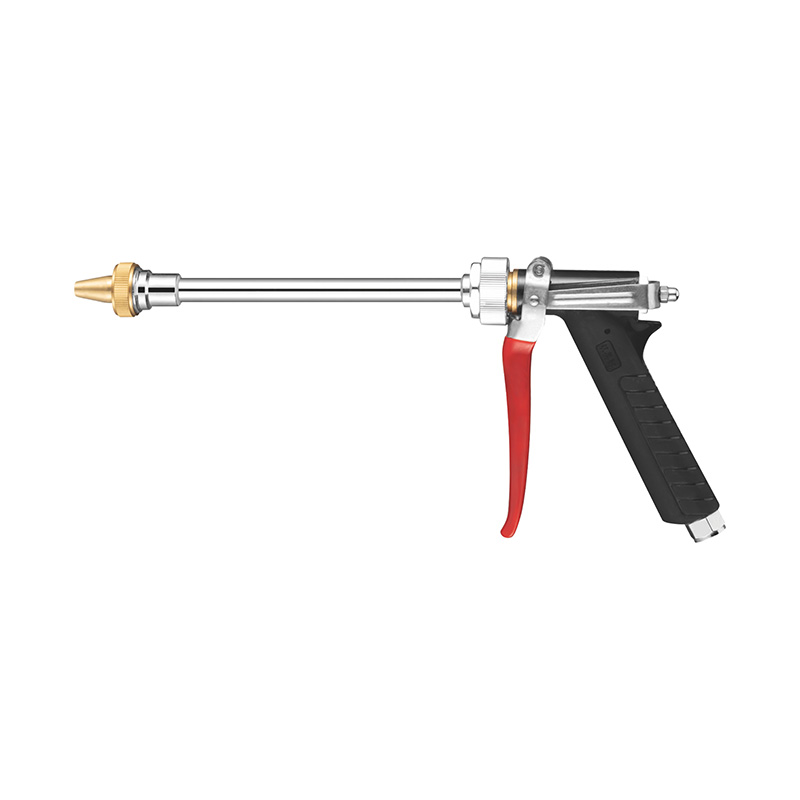
We are pleased to introduce to you our company's c...
See DetailsContinuous innovation
We firmly believe that through continuous development, our products will be able to adapt to the changing market environment, and we can provide users with better and more reliable solutions.
let’s talk