

 English
 Español
 简体中文
With the continuous development of agricultural te...
See DetailsAgricultural spraying equipment has to maintain a predictable application pattern while working across changing speeds, pressures, crop conditions, and field layouts. Recent 2026 guidance continues to emphasize calibration and checking individual nozzle output because differences between nozzles can affect application uniformity. For agricultural machinery manufacturers and equipment distributors, the challenge is therefore not simply finding a nozzle that produces water, but selecting a component that can be adjusted, calibrated, and maintained according to the requirements of the complete system. An Agricultural Pressure Adjustable Nozzle can be useful in applications where operators need more control over spray output without repeatedly replacing components.

Nozzle selection has a direct relationship with application rate, spray pattern, coverage, and operating pressure. Extension guidance recommends calibrating equipment after selecting and installing the nozzles rather than relying only on catalog values.
For equipment manufacturers, this creates an important design consideration. A nozzle should not only provide the required connection and flow characteristics but also work predictably within the intended pressure range. Clear adjustment and repeatable settings can make commissioning easier for the final equipment user.
Pressure is closely connected with nozzle flow and spray formation. Increasing pressure generally produces smaller droplets, while operating below the recommended range can distort the spray pattern. Excessive pressure can also increase drift potential.
This means pressure adjustment should be used carefully rather than simply increasing pressure whenever more output is required. For agricultural equipment engineers, choosing a nozzle with an appropriate operating range can provide greater flexibility while keeping the spray characteristics within the intended application conditions.
Field equipment does not always operate at exactly the same speed. Terrain, crop conditions, turning, and operator practices can affect travel speed, which in turn influences application rate.
This is one reason calibration needs to consider several variables together. New Mexico State University notes that changes in ground speed, spray pressure, nozzle number, or nozzle orifice can require recalibration. An adjustable nozzle can support practical system changes, but it should still be used within its specified working conditions.
Uneven spraying cannot always be corrected by adjusting pressure. Nozzle spacing, spray angle, boom height, nozzle wear, clogging, liquid properties, and component quality can also influence lateral distribution.
For manufacturers developing agricultural sprayers, checking the complete installation is therefore important. A useful evaluation may include:
Looking at these factors together can help engineers identify whether an application problem originates from the nozzle or from the surrounding system.
Even a properly calibrated sprayer can change during continued operation. Wear or blockage may alter individual nozzle output, creating differences across a spray boom. A recent Michigan State University Extension guide recommends checking nozzle performance and recalibrating equipment during the season according to operating conditions and equipment guidance.
For agricultural equipment buyers, this makes maintenance access an important consideration when sourcing components. A nozzle that can be inspected, cleaned, and adjusted without unnecessary difficulty is more practical for equipment used regularly in the field.
When sourcing adjustable agricultural nozzles, purchasing teams should provide more than a connection size. Application details allow the manufacturer to understand how the component will be integrated into the equipment.
Key information may include:
This information can also help avoid unnecessary sample revisions during product development.
For a metal component used repeatedly across agricultural equipment, dimensional consistency matters. Thread accuracy, sealing surfaces, adjustment components, internal passages, and material selection can all affect assembly and operating behavior.
At Taizhou Hangyuan Metal Products Co., Ltd., we focus on understanding the customer's equipment requirements before manufacturing agricultural metal components. For overseas OEMs, distributors, and agricultural machinery companies, this application-based approach helps connect product development with actual field requirements. When adjustable pressure is part of the system design, an Agricultural Pressure Adjustable Nozzle can provide useful control while making calibration and application adjustment more practical.
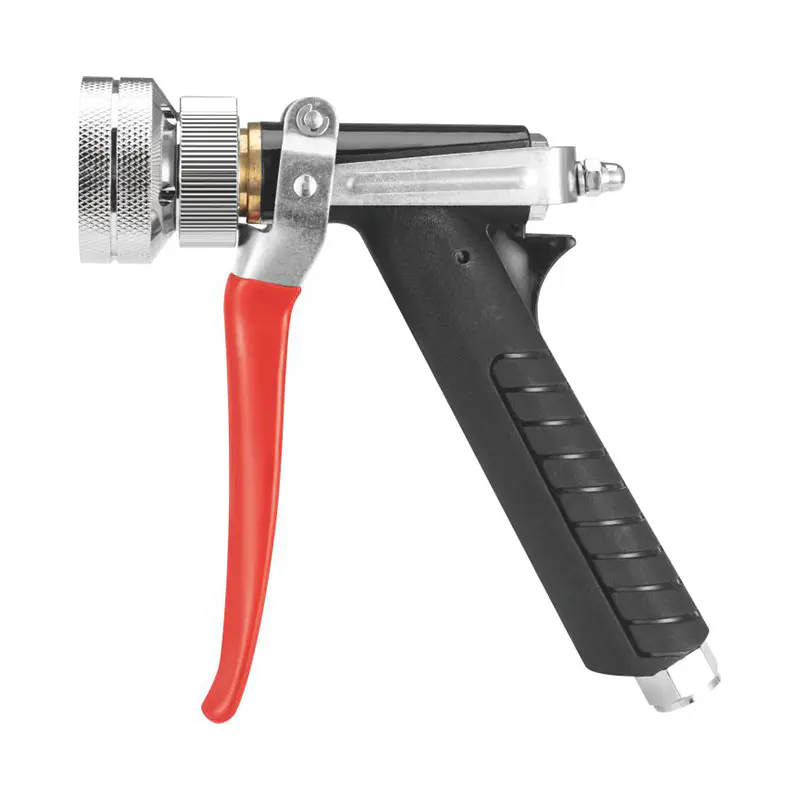
With the continuous development of agricultural te...
See Details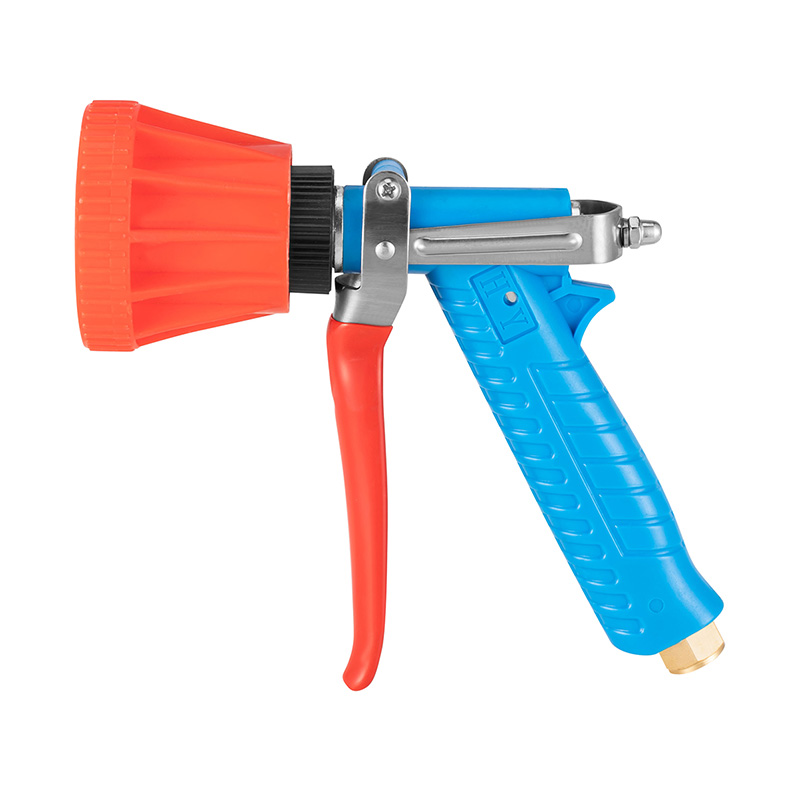
This ordinary short windproof agricultural high-pr...
See Details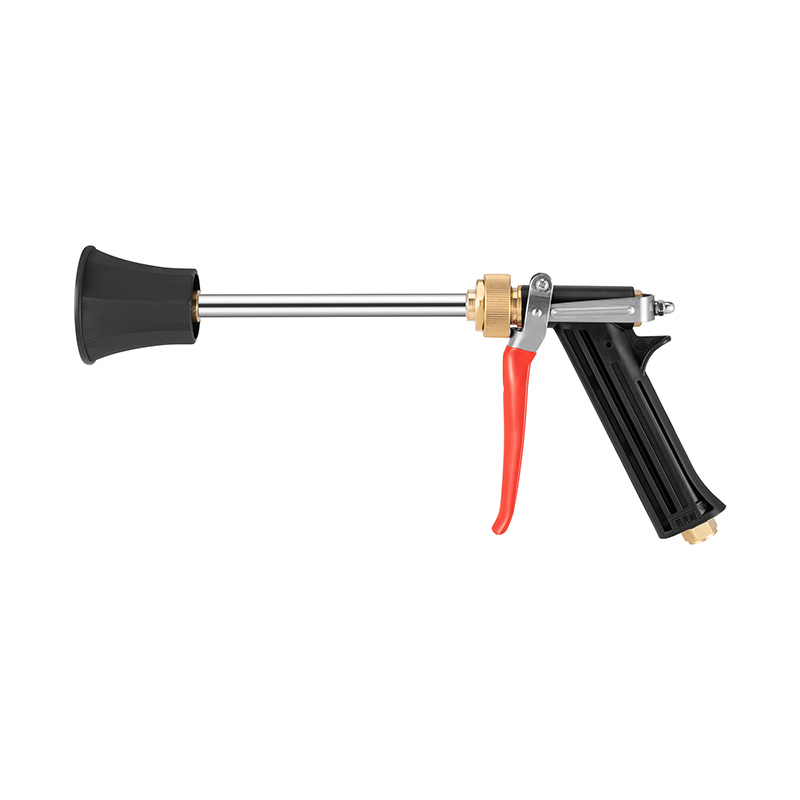
This is a long-handled PP windshield windshield gu...
See Details
When it comes to agricultural irrigation and plant...
See DetailsContinuous innovation
We firmly believe that through continuous development, our products will be able to adapt to the changing market environment, and we can provide users with better and more reliable solutions.
let’s talk