

 English
 Español
 简体中文
简体中文
Dear users and buyers, I am honored to introduce t...
See DetailsTaizhou Hangyuan Metal Products Co., Ltd.
Agricultural spraying equipment often operates under changing field conditions, so maintaining a consistent application pattern requires more than selecting the correct nozzle size. Pressure fluctuations, clogged passages, nozzle wear, installation position, and changes in operating conditions can all influence the amount and distribution of liquid reaching the target. For agricultural machinery manufacturers and equipment distributors, these practical issues make nozzle design and maintenance important parts of system performance. An Agricultural Pressure Adjustable Nozzle can provide operators with greater control when application conditions change, while proper component selection helps keep the overall spraying system easier to manage.
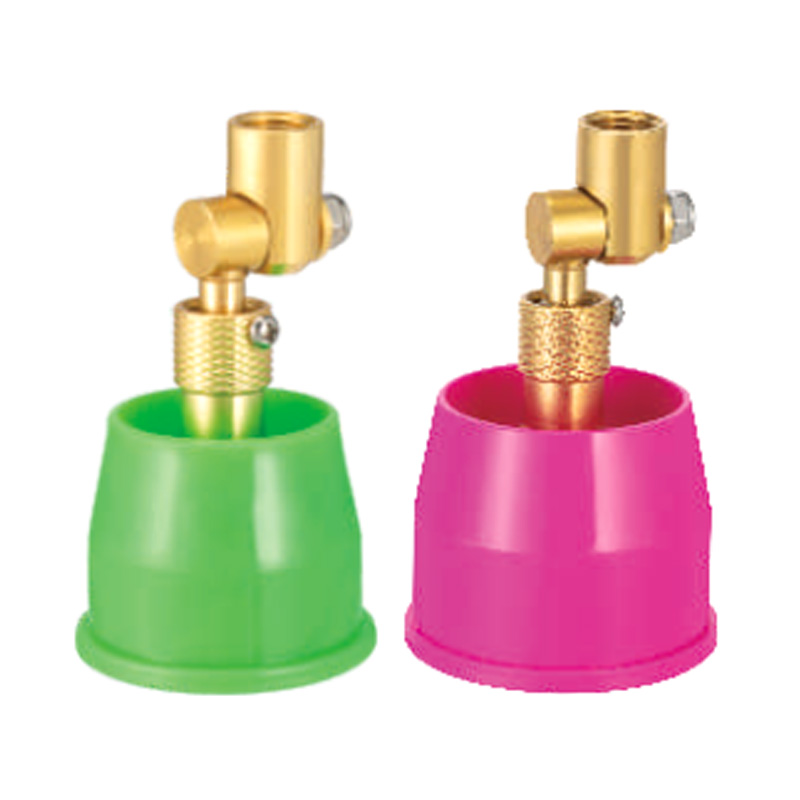
A nozzle is a relatively small component, but its condition directly influences spray output and pattern. Research and agricultural extension guidance identify nozzle wear and clogging as factors that can change lateral distribution and flow performance.
For operators, the problem may appear as uneven coverage rather than an obvious nozzle failure. A few outlets producing noticeably different spray patterns can gradually affect the consistency of the entire boom or irrigation section.
When spraying performance changes, increasing or reducing pressure may appear to be the quickest solution. However, pressure should remain within the operating range intended for the nozzle. Excessive pressure can produce finer droplets and increase drift potential, while pressure that is too low can cause poor spray formation with some nozzle designs.
This is why adjustable pressure should be treated as a control function rather than a way to compensate for every system problem. If a nozzle is worn, blocked, or incorrectly installed, changing pressure alone may not restore the intended spray pattern.
Agricultural equipment may operate repeatedly in environments where water quality, fertilizer solutions, crop protection products, and outdoor conditions place demands on components. Over time, wear around the flow passage can change the output of an individual nozzle.
For fleet operators and agricultural equipment suppliers, regular inspection can help identify differences before they become a larger application problem. Comparing nozzle output, checking spray shape, and looking for visible damage are practical steps that can be incorporated into routine maintenance.
When several nozzles appear to be spraying differently, replacing every component immediately may not be necessary. A structured inspection can help identify the source of the problem.
Useful checks include:
Agricultural extension guidance also recommends calibration after nozzle selection and installation rather than relying solely on catalog specifications.
Engineers sometimes focus heavily on pressure because it is easy to measure and adjust. However, spray angle, nozzle spacing, mounting height, liquid properties, nozzle condition, and overall system design can also influence distribution.
For manufacturers developing agricultural spraying equipment, this means nozzle selection should be considered together with the complete application system. A component may perform differently when installed at another height or used with a different spacing arrangement.
Agricultural machinery is frequently used for more than one task. Different crops, field layouts, application requirements, and equipment configurations can create a need for adjustment.
An adjustable nozzle can give operators a practical way to modify spray output within the intended operating conditions. For distributors and OEM equipment manufacturers, this flexibility can also make a component easier to integrate into systems serving different agricultural applications.
The key is to provide adjustment that is straightforward to understand and compatible with the rest of the spraying equipment, rather than adding complexity that makes field maintenance more difficult.
For a nozzle manufacturer, repeatability matters because small differences between components can affect assembly and operating results. Dimensional accuracy, thread quality, sealing surfaces, internal passages, adjustment components, and material selection all need to be considered according to the intended application.
At Taizhou Hangyuan Metal Products Co., Ltd., we focus on manufacturing metal components for agricultural applications with attention to the customer's drawings, specifications, and working requirements. For overseas buyers, sharing application details, connection requirements, samples, and expected operating conditions helps establish a clearer production basis.
A properly selected Agricultural Pressure Adjustable Nozzle is not a substitute for good system design or maintenance, but it can give agricultural equipment manufacturers and operators another practical way to manage changing spraying conditions while keeping the equipment easier to adjust and service.
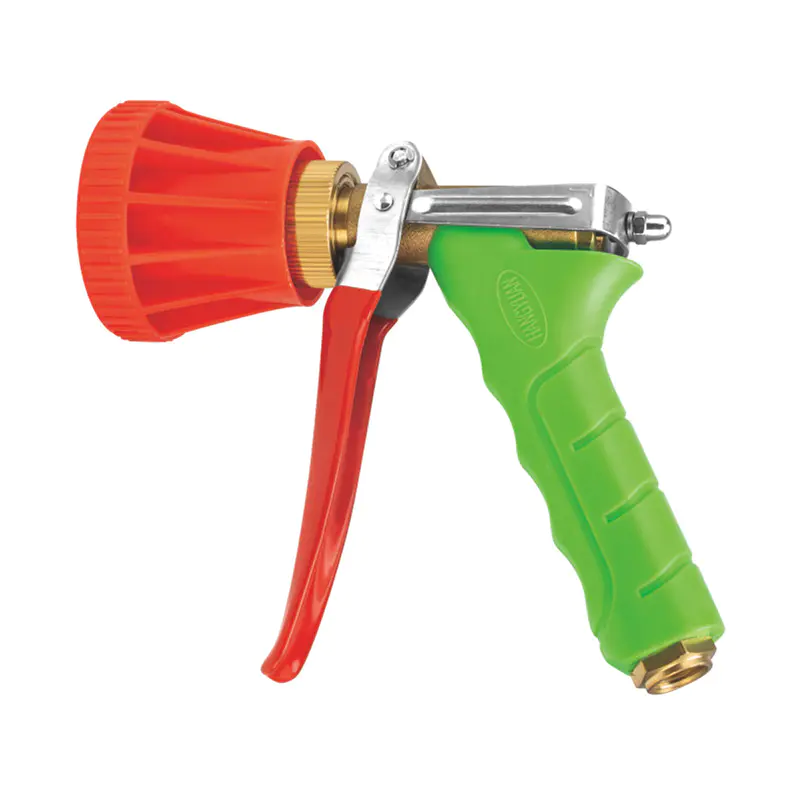
Dear users and buyers, I am honored to introduce t...
See Details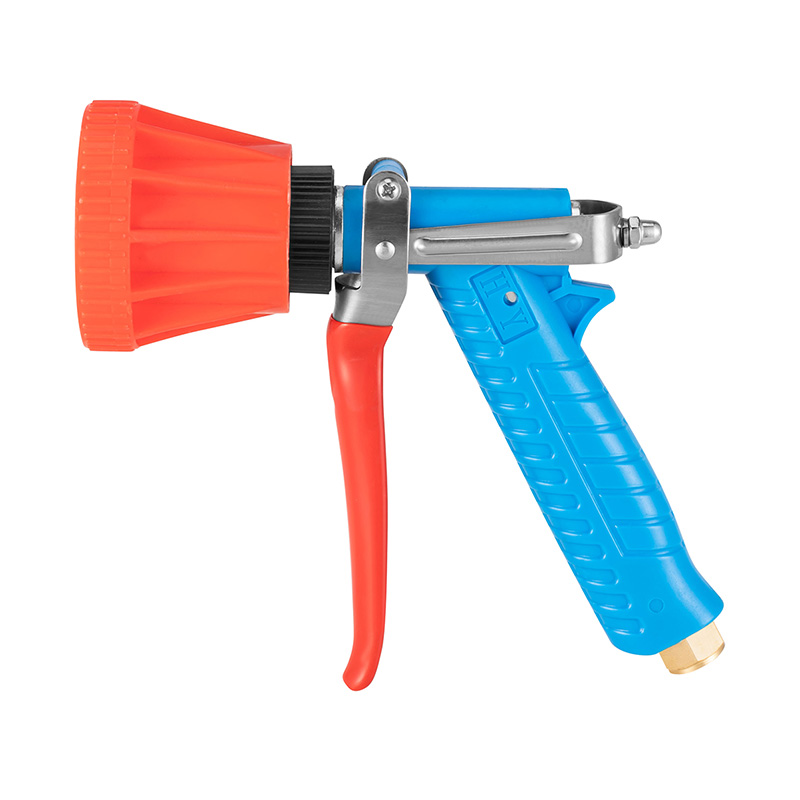
This ordinary short windproof agricultural high-pr...
See Details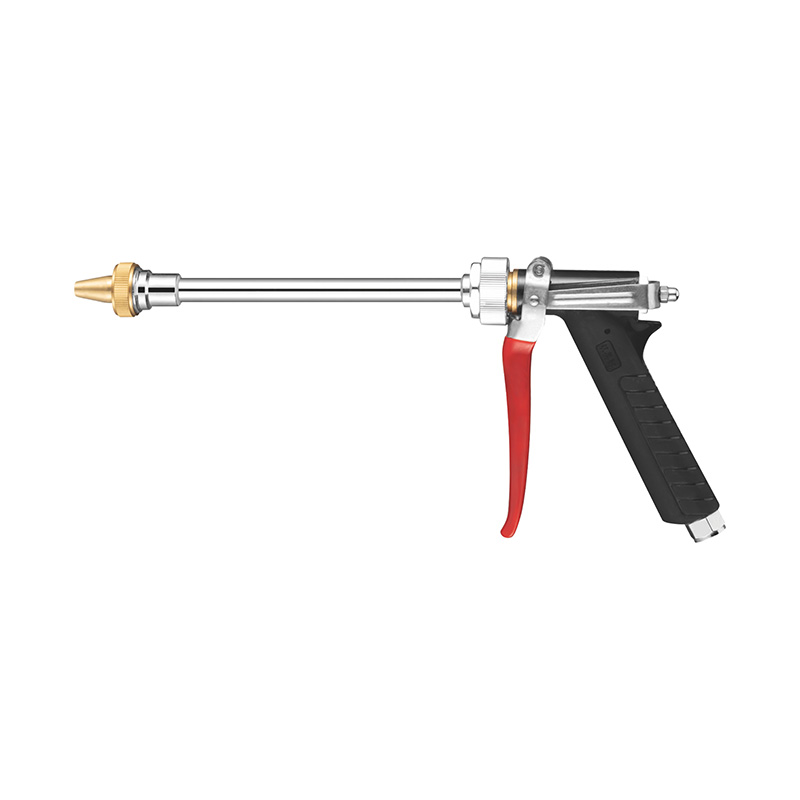
We are pleased to introduce to you our company's c...
See Details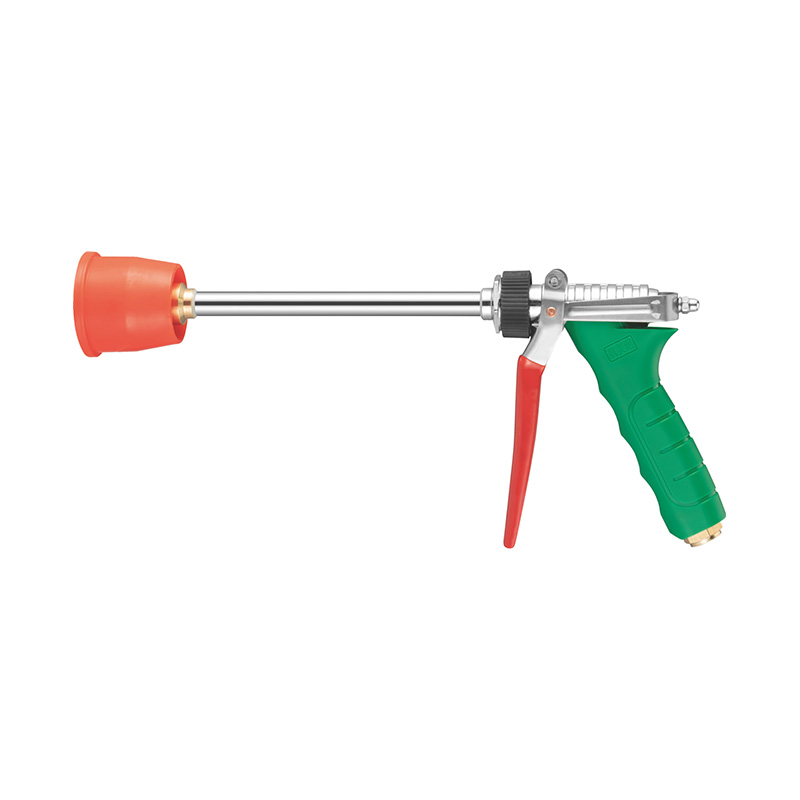
This 326g plastic handle long gun agricultural sup...
See DetailsContinuous innovation
We firmly believe that through continuous development, our products will be able to adapt to the changing market environment, and we can provide users with better and more reliable solutions.
let’s talk