

 English
 Español
 简体中文
简体中文
As a professional manufacturer, Hangyuan always ha...
See DetailsIn agricultural irrigation and spraying, uneven water distribution can create problems that are not always obvious at the beginning of operation. Some areas may receive more water while others receive less, especially when pressure changes across the system or equipment is used under different field conditions. Recent agricultural engineering research continues to examine the relationship between working pressure, nozzle size, spray characteristics, and distribution uniformity. For equipment manufacturers and procurement teams, an Agricultural Pressure Adjustable Nozzle can provide a practical way to make spray output easier to adapt without changing the entire watering system.
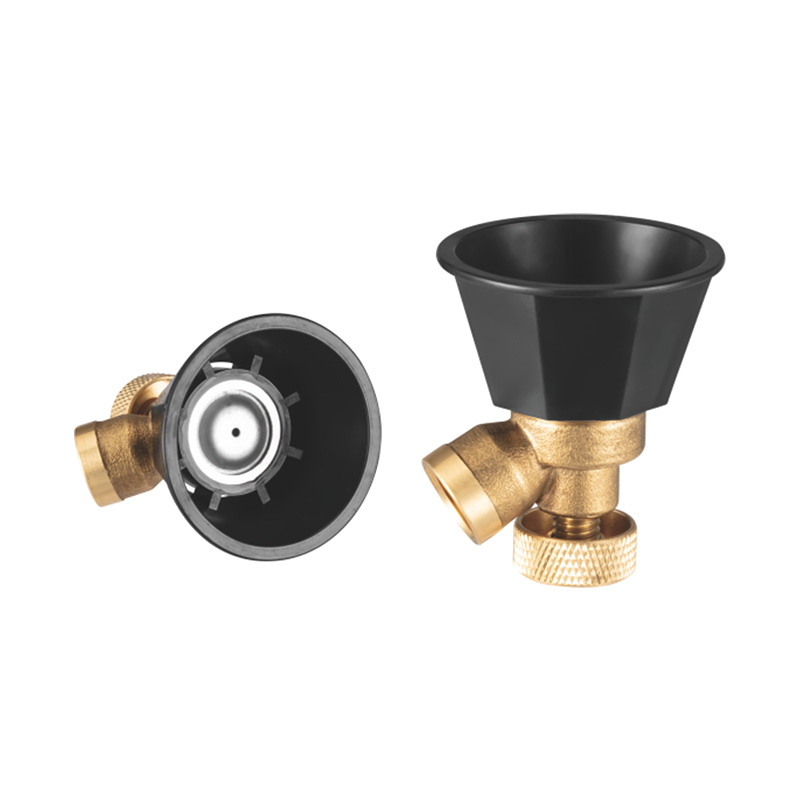
A nozzle does not operate separately from the water supply system. Pump conditions, pipe length, elevation, fittings, and simultaneous water demand can all influence the pressure reaching the nozzle.
When pressure becomes unsuitable for the nozzle design, spray distribution may change. Pressure-regulating irrigation equipment is used partly because excessive pressure can contribute to uneven watering and water losses. This makes pressure management a useful consideration when designing or upgrading agricultural spraying equipment.
Agricultural equipment can be used across different crops, planting layouts, growth stages, and irrigation requirements. A fixed-output nozzle may be convenient for a standardized application, but it gives operators less flexibility when conditions change.
An adjustable design allows users to fine-tune the water output according to the working situation. For equipment manufacturers, this flexibility can also make the same basic nozzle concept suitable for a broader range of agricultural systems, provided the operating range matches the intended application.
It is easy to focus on the nozzle when spray coverage is inconsistent, but the actual cause may be elsewhere in the irrigation system. Water pressure variation, emitter characteristics, pipe layout, filtration, and blockage can all affect application uniformity.
For engineers, troubleshooting is therefore more effective when several factors are checked together. A practical inspection may include:
This approach can help identify whether the problem comes from pressure distribution, component performance, or maintenance.
Agricultural water may contain sediment or other particles that can gradually affect small flow passages. Recent research has specifically examined how sediment characteristics can influence clogging and performance in pressure-compensating irrigation emitters.
For buyers, this means nozzle design should be considered alongside filtration and maintenance practices. A well-designed component still needs to operate in an environment where water quality, cleaning frequency, and system conditions are understood.
Field conditions rarely remain identical throughout an entire production season. Equipment may be moved between areas, connected to different water sources, or used for crops with different watering requirements.
An adjustable nozzle gives operators a straightforward method of changing output within its intended operating range. This can be useful for agricultural machinery manufacturers and irrigation equipment suppliers that need components capable of supporting different system configurations without introducing unnecessary complexity.
When sourcing an adjustable agricultural nozzle, purchasing teams should look beyond the basic connection size. Technical communication with the manufacturer can help clarify whether the component is suitable for the intended system.
Important information may include:
Providing drawings, samples, or application details can also help manufacturers evaluate customization requirements more accurately.
At Taizhou Hangyuan Metal Products Co., Ltd., we understand that agricultural metal components need to work within real irrigation and spraying systems rather than as isolated parts. Our approach focuses on understanding the customer's application, connection requirements, operating conditions, and production expectations before confirming a manufacturing solution.
For overseas agricultural equipment companies and distributors, this application-based communication can make component sourcing more efficient and reduce unnecessary trial and adjustment. When pressure control is part of the operating requirement, an Agricultural Pressure Adjustable Nozzle can offer useful flexibility for building spraying systems that are easier to adjust and manage in changing agricultural conditions.
As a professional manufacturer, Hangyuan always ha...
See Details
I am pleased to introduce to you the new 522g adju...
See Details
Dear customer, thank you for your attention to our...
See Details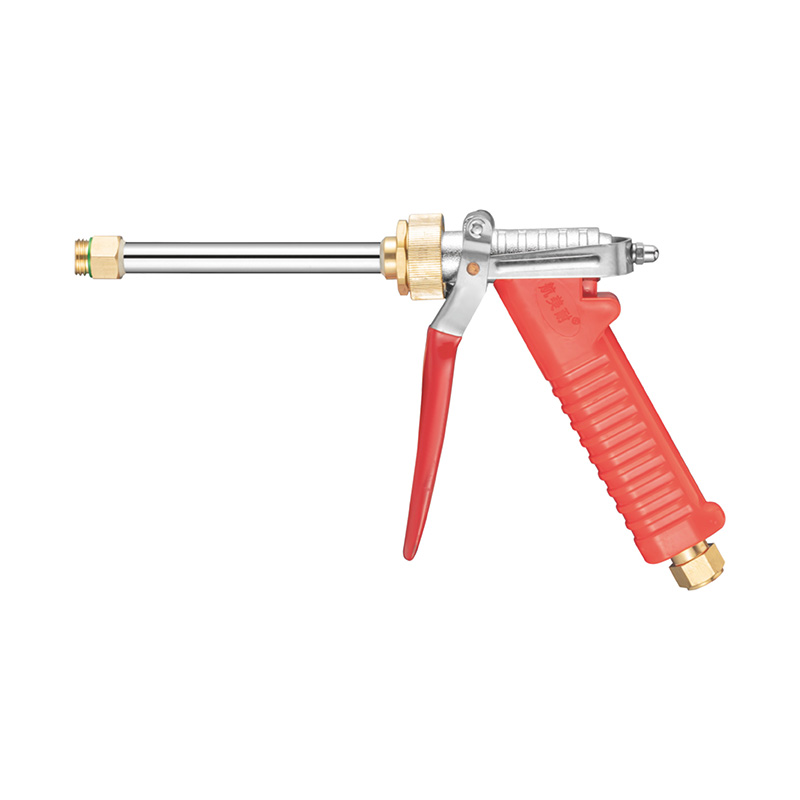
Dear merchant, we are pleased to introduce to you ...
See DetailsContinuous innovation
We firmly believe that through continuous development, our products will be able to adapt to the changing market environment, and we can provide users with better and more reliable solutions.
let’s talk