

 English
 Español
 简体中文
简体中文
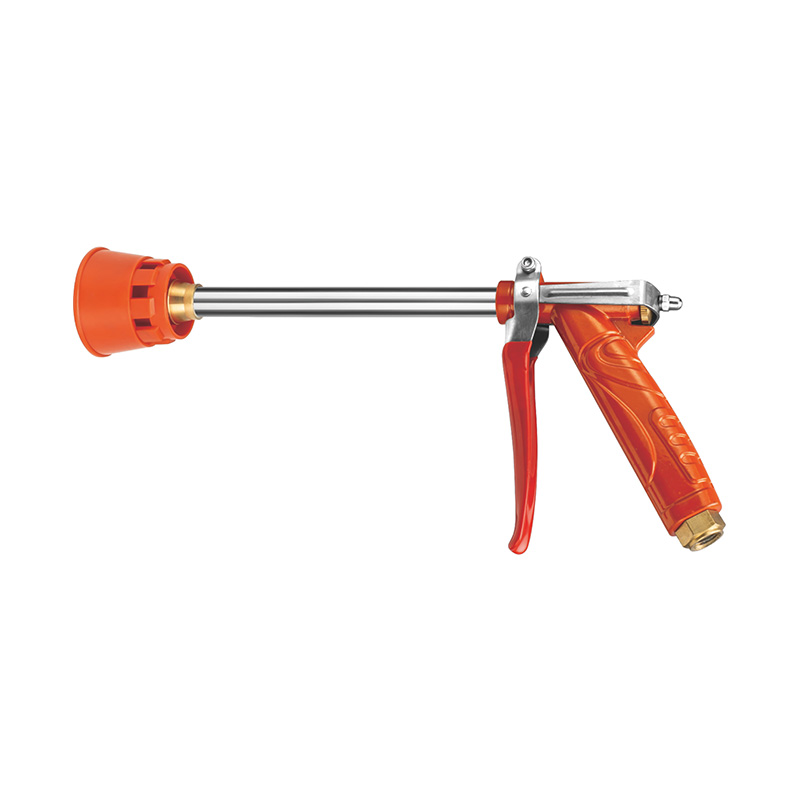
This 387g large horn windproof short-gun spray gun...
See DetailsAgricultural High Pressure Spray Nozzle and Garden High Pressure Spray Gun are often discussed in irrigation systems. Still, their role in cleaning tasks is equally important when water control and distribution accuracy are required. In both agricultural environments and home gardens, these tools are increasingly used to manage surface cleaning while keeping water use more structured across different working conditions.
Cleaning in agricultural and outdoor environments often involves uneven surfaces such as soil paths, machinery frames, greenhouse floors, and plant containers. In many cases, water is applied continuously without considering pressure variation or spray distribution, which can result in unnecessary water spread beyond the target area.
Another issue comes from the use of fixed-flow water hoses that lack control over spray intensity. When water pressure is not adjusted properly, cleaning may require longer operation time or repeated rinsing cycles, especially on surfaces with soil buildup or organic residue. This becomes more noticeable in farms where irrigation water systems are also used for cleaning purposes, causing overlapping usage demands.
Agricultural High Pressure Spray Nozzle systems are sometimes adapted for cleaning machinery and irrigation equipment, but without proper spray control, water may disperse too widely. At the same time, Garden High Pressure Spray Gun tools used in household environments can face similar challenges when switching between plant watering and surface cleaning functions without adjusting pressure settings.
Modern spray tools have gradually integrated adjustable pressure control and multi-pattern spray modes to support both irrigation and cleaning tasks. A Garden High Pressure Spray Gun typically includes a trigger-based flow system that allows users to regulate water output depending on surface type and cleaning intensity requirements.
Agricultural High Pressure Spray Nozzle systems have also been modified with interchangeable heads and internal flow channels that allow users to shift between wide-angle rinsing and concentrated jet streams. This flexibility helps in separating irrigation tasks from cleaning operations without changing equipment.
Common structural features include:
These elements allow both agricultural and domestic users to apply controlled water distribution during cleaning, reducing uncontrolled runoff and supporting more structured usage patterns.
In agricultural settings, Agricultural High Pressure Spray Nozzle systems are often used to clean tractors, irrigation pipelines, greenhouse floors, and storage containers. The ability to adjust spray angle allows operators to target specific surfaces without affecting nearby soil or crops. For example, machinery cleaning can be performed using concentrated streams, while greenhouse flooring may require wider spray coverage to remove soil residue.
In residential or small garden environments, Garden High Pressure Spray Gun tools are commonly used for cleaning patios, garden tools, fences, and outdoor furniture. The portability of the spray gun allows users to move between different cleaning points without fixed installation requirements.
Typical cleaning uses include:
These applications show how spray control tools can be adapted across different scales of cleaning tasks while maintaining water flow regulation.
Field usage observations from mixed irrigation-cleaning environments show that adjustable spray tools tend to distribute water in a more controlled pattern compared to fixed hose systems. In a small agricultural workshop environment, cleaning sessions were monitored over repeated cycles using different spray setups.
|
Cleaning Area |
Spray Tool Type |
Water Usage Pattern |
Observation Notes |
|
Tractor surface |
High pressure nozzle |
Concentrated jet flow |
Soil removal concentrated on metal joints |
|
Greenhouse floor |
Adjustable nozzle |
Medium spray width |
Water spread stayed within defined area |
|
Garden tools |
Spray gun |
Controlled trigger flow |
Water applied only during active cleaning |
|
Fence surface |
Spray gun |
Wide spray mode |
Coverage adjusted by angle control |
In this setup, the use of adjustable Agricultural High Pressure Spray Nozzle systems allowed operators to switch between targeted and wide-area cleaning without changing equipment. Similarly, Garden High Pressure Spray Gun usage showed more controlled water application due to trigger-based operation, especially when cleaning multiple surfaces within a short time frame.
While water consumption varied depending on pressure settings and user handling, the ability to regulate flow direction reduced unnecessary water spread beyond cleaning targets.
Water management in outdoor cleaning tasks is increasingly linked with spray control technology rather than fixed water delivery methods. Tools that allow adjustable output patterns support more structured water usage across different environments.
Agricultural High Pressure Spray Nozzle systems contribute to this shift by enabling operators to adjust flow intensity based on surface type and cleaning requirement. Garden High Pressure Spray Gun tools support similar control at a smaller scale, particularly in environments where water is shared between irrigation and cleaning tasks.
From a usage perspective, these tools support:
Instead of relying on continuous water flow, users can adjust spray output according to surface condition and cleaning stage.
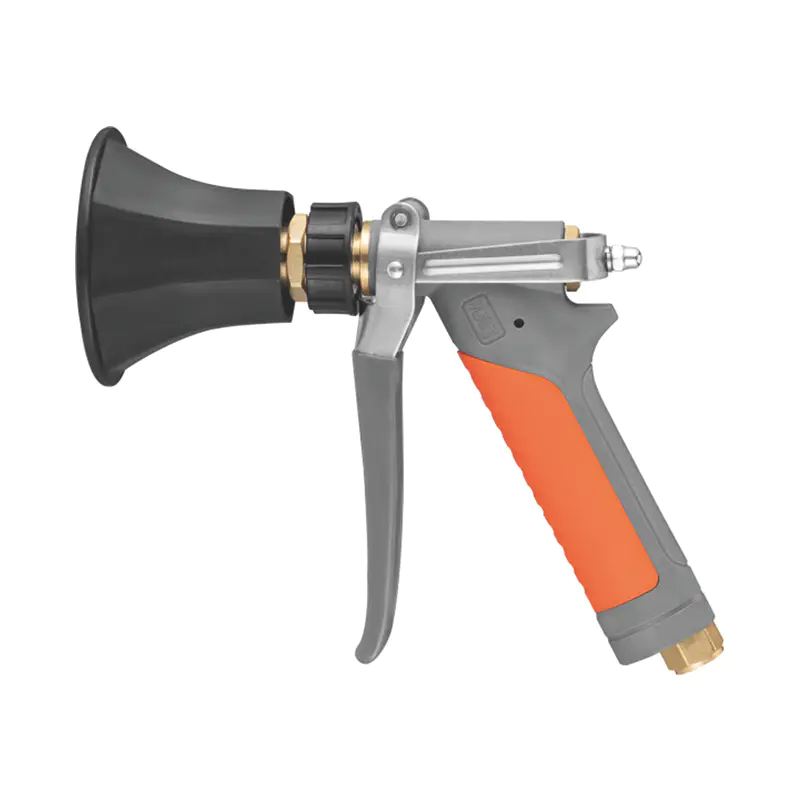
This 387g large horn windproof short-gun spray gun...
See Details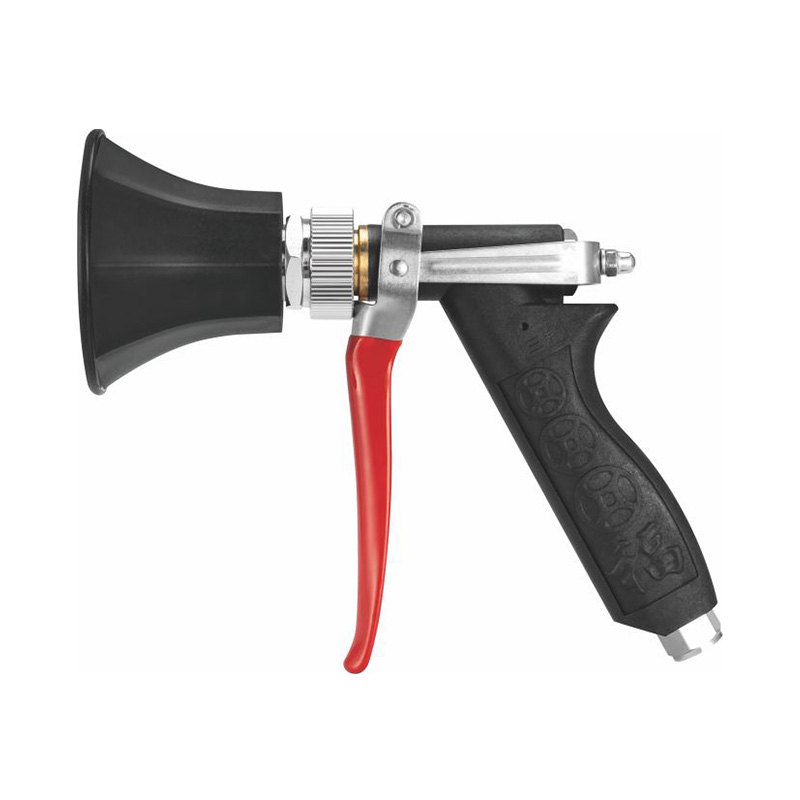
This is a versatile and beautifully designed nozzl...
See Details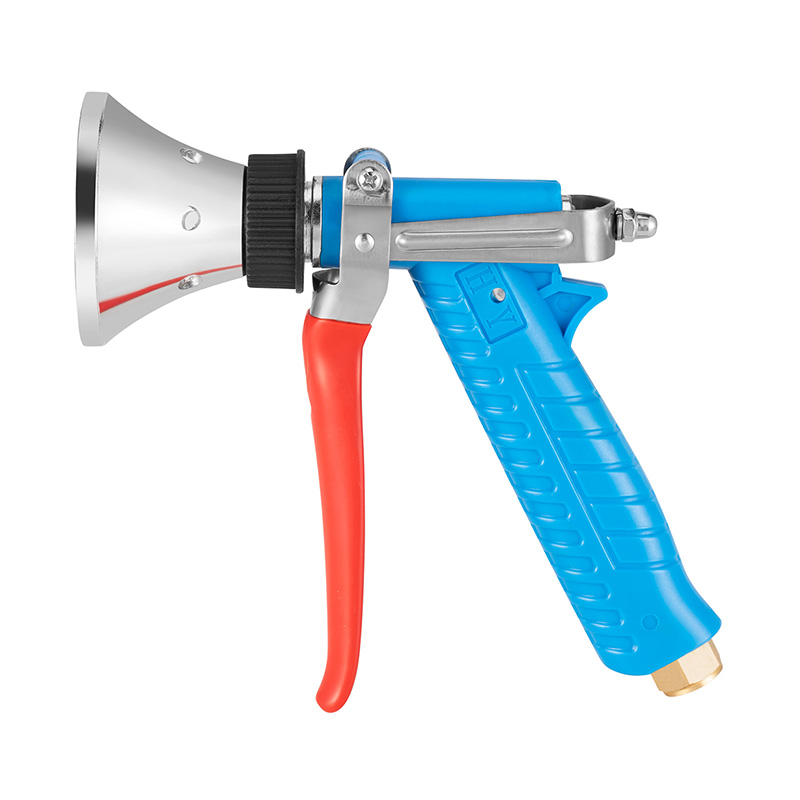
Dear buyers, thank you for your attention and supp...
See Details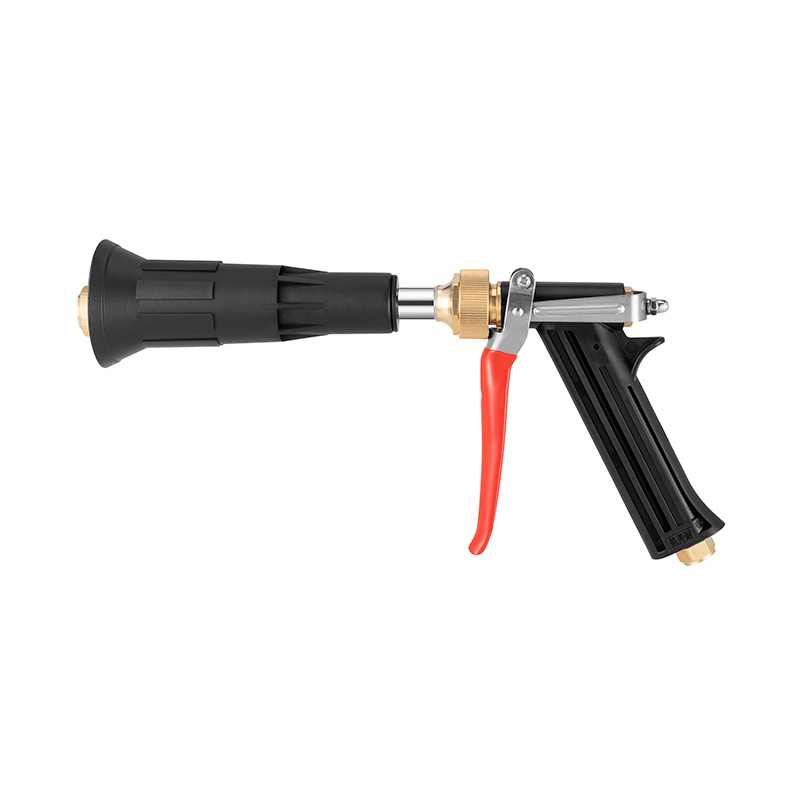
We are pleased to introduce to you the high-pressu...
See DetailsContinuous innovation
We firmly believe that through continuous development, our products will be able to adapt to the changing market environment, and we can provide users with better and more reliable solutions.
let’s talk