

 English
 Español
 简体中文
简体中文
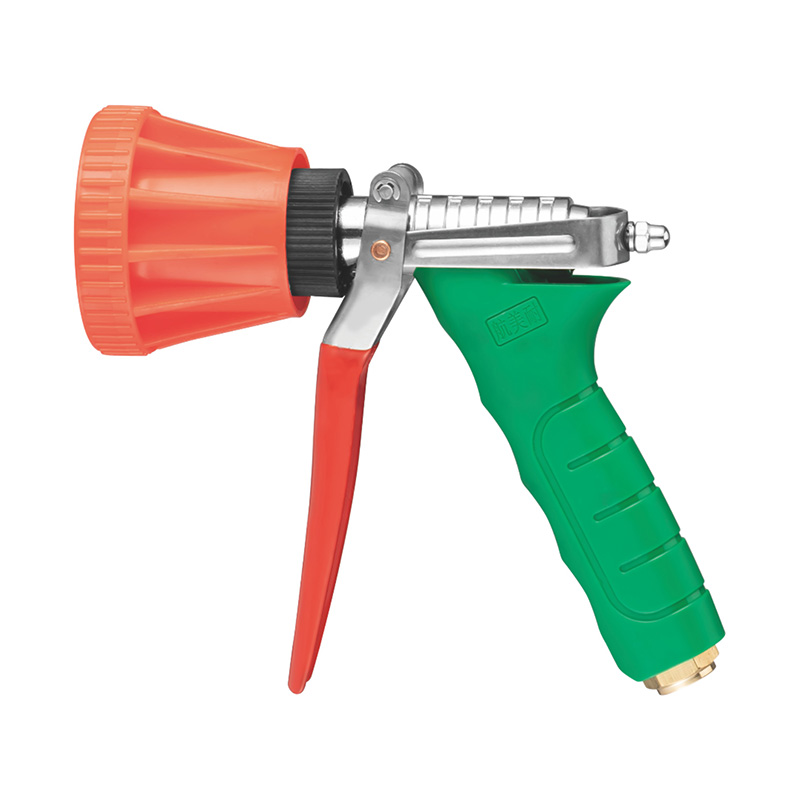
Dear customer, I am very happy to introduce to you...
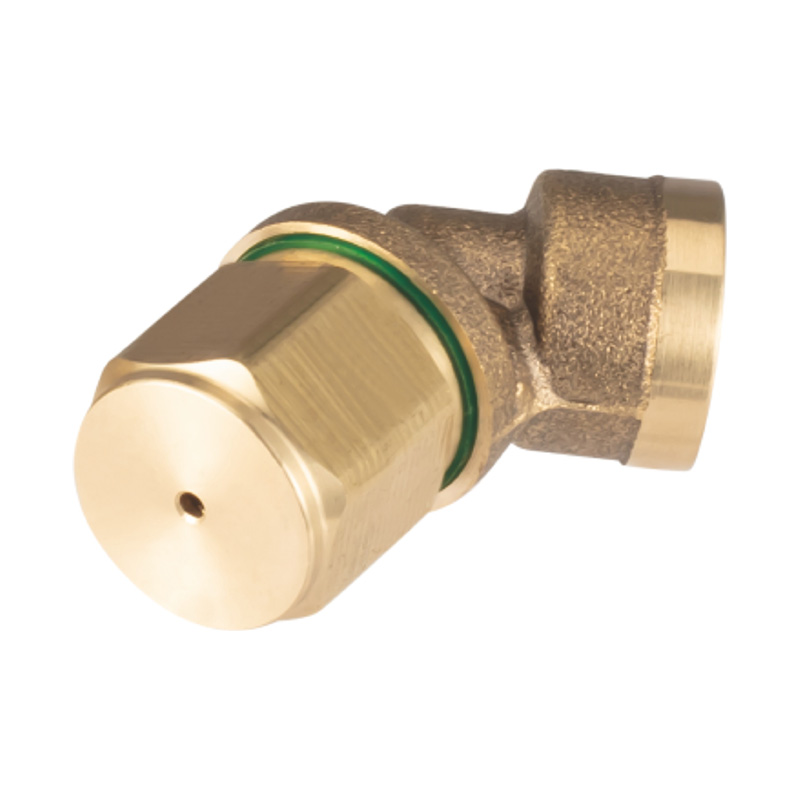
See DetailsAgricultural High Pressure Spray Nozzle and Garden High Pressure Spray Gun are increasingly used in modern irrigation systems where water distribution needs to be adjusted across different terrains and crop requirements. The way these two tools are applied in field irrigation and garden management continues to influence how water is delivered, controlled, and conserved during routine agricultural operations.
Water distribution in agricultural environments is rarely uniform. Soil density, slope variations, crop spacing, and seasonal weather changes all contribute to uneven irrigation results. Traditional watering approaches often struggle to maintain consistent spray coverage, especially in fields that require both long-distance reach and fine atomization.
One common issue is pressure fluctuation within irrigation lines. When pressure drops, spray range becomes unstable, causing uneven watering zones. On the other hand, excessive pressure may cause runoff or soil surface disruption. In garden environments, similar challenges appear at a smaller scale, particularly when users switch between different watering patterns using a Garden High Pressure Spray Gun.
Another concern involves clogging caused by sediment in water sources. Nozzle openings, especially in high-pressure systems, require stable flow conditions to maintain consistent distribution. Without proper filtration or adjustable spray design, efficiency in water application can vary significantly across usage cycles.
Modern irrigation tools have gradually shifted toward adjustable flow control and modular spray design. Agricultural High Pressure Spray Nozzle systems now often include multi-pattern output structures, allowing operators to adjust spray angle, droplet size, and flow intensity depending on field conditions.
Garden tools such as the Garden High Pressure Spray Gun have also evolved to include trigger-based control mechanisms and rotating heads. These allow users to switch between misting, jet stream, and fan spray modes without replacing equipment.
A comparison of typical functional elements is shown below:
|
Component Type |
Function |
Practical Use |
|
Adjustable Nozzle Head |
Controls spray angle and pattern |
Field irrigation zoning |
|
Pressure Regulation Valve |
Stabilizes water flow |
Prevents uneven discharge |
|
Trigger Control System |
Manages on-demand water release |
Garden watering efficiency |
|
Anti-Clog Filter Mesh |
Blocks sediment particles |
Extends maintenance cycle |
|
Rotating Spray Tip |
Changes spray distribution |
Supports multi-area coverage |
Agricultural High Pressure Spray Nozzle systems are commonly used in crop irrigation, orchard maintenance, and greenhouse humidity control. In open-field farming, long-range spray patterns help distribute water across wider planting zones without requiring frequent repositioning of irrigation lines. In orchards, adjustable angles allow water to reach root zones more directly without excessive overspray on foliage.
The Garden High Pressure Spray Gun, while simpler in structure, is frequently applied in smaller irrigation tasks such as lawn care, plant washing, and localized watering. Its portability allows users to adjust water flow quickly depending on plant type or soil moisture conditions.
Typical usage scenarios include:
These applications demonstrate how similar pressure-based tools can serve both industrial and residential environments when configured appropriately.
Operational observations from irrigation field use show that adjustable nozzle systems tend to reduce water inconsistency across different pressure levels. For example, in a mid-sized vegetable farm irrigation setup, water distribution was monitored across three zones with varying elevation levels.
|
Zone Type |
Water Pressure Condition |
Spray Consistency Observation |
|
Low elevation field |
Stable pressure |
Even coverage across rows |
|
Mid elevation slope |
Moderate fluctuation |
Slight variation in spray range |
|
High elevation zone |
Reduced pressure |
Narrower spray radius observed |
After integrating adjustable Agricultural High Pressure Spray Nozzle units into the system, operators were able to balance water distribution more effectively by modifying spray angles and flow settings per zone. While results varied based on terrain and pipeline length, the flexibility of nozzle adjustment helped reduce manual repositioning of irrigation lines.
In a separate garden application scenario using a Garden High Pressure Spray Gun, water usage was recorded over a weekly maintenance cycle. Compared to fixed-spray watering tools, users reported more controlled watering duration and reduced over-saturation in small plant beds due to on-demand flow control.
Dear customer, I am very happy to introduce to you...
See Details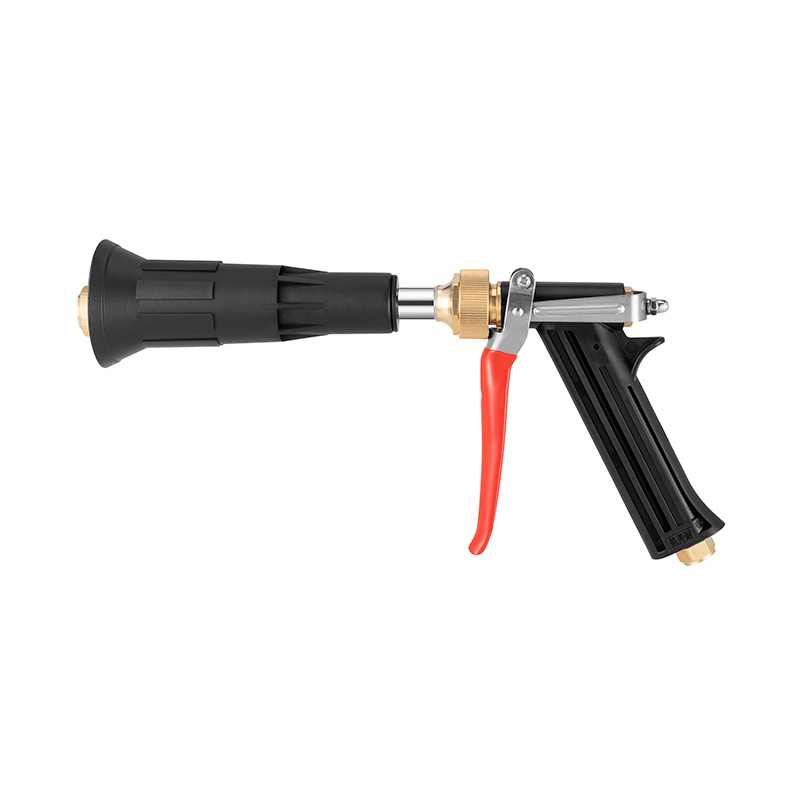
We are pleased to introduce to you the high-pressu...
See Details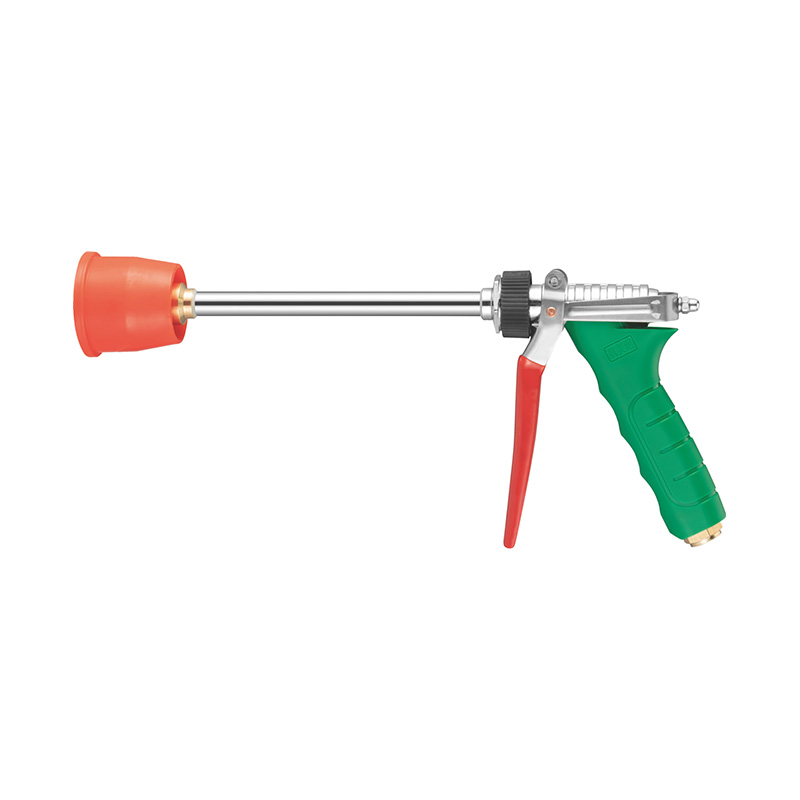
This 326g plastic handle long gun agricultural sup...
See Details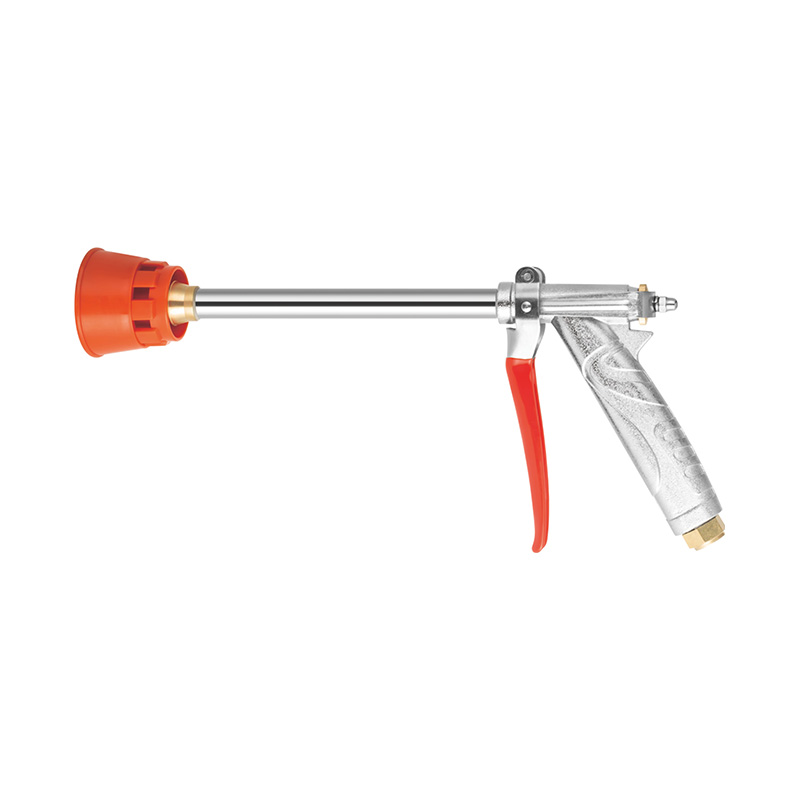
This high-precision, fine, and uniform atomization...
See DetailsContinuous innovation
We firmly believe that through continuous development, our products will be able to adapt to the changing market environment, and we can provide users with better and more reliable solutions.
let’s talk