

 English
 Español
 简体中文
简体中文
The 461g two-color long gun high-pressure atomizin...
See DetailsAchieving a uniform spray pattern is a common goal in garden care, as it supports even water or treatment distribution and contributes to plant health. The performance of a garden high pressure spray gun, particularly when paired with an agricultural pressure adjustable nozzle, is central to this task. Consistent results depend on understanding equipment function, applying methodical techniques, and maintaining the tool properly.
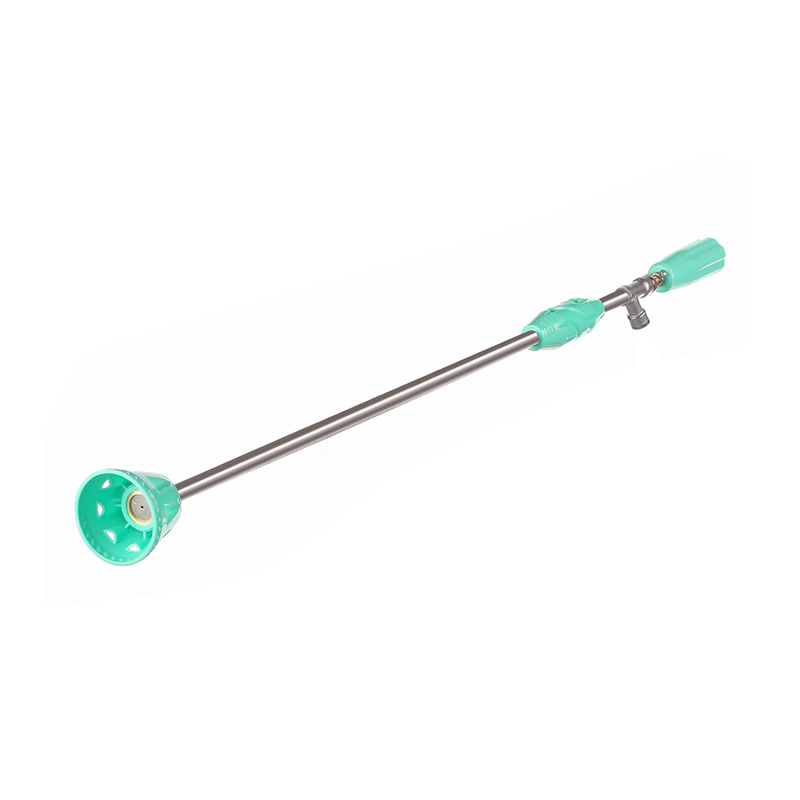
Uniform spraying is not determined by a single factor but by the interaction of several. Pressure consistency from the water source forms the foundation, as fluctuations can create uneven spray density. The design and condition of the nozzle directly control the breakup of liquid into droplets and their distribution pattern. The operator’s technique, including movement speed and distance from the target, also plays a significant role. Recognizing that these elements work together is the step toward improving spray consistency. A systematic approach to each factor helps in moving closer to a more predictable and even application across your garden beds or lawn.
The agricultural pressure adjustable nozzle is the primary component for managing your spray pattern. These nozzles typically offer different settings or interchangeable tips to produce spray variations from a fine mist to a concentrated jet.
Begin by identifying the requirement: delicate seedlings may benefit from a wider, softer fan pattern, while established shrubs might require a more directed stream.
Consult any guide that comes with your nozzle to understand the spray angle and flow rate associated with each setting.
Make adjustments while the spray gun is off or pointed in a safe direction. After selecting a setting, perform a test spray on a dry, hard surface like pavement to visually assess the pattern's width and density. Look for dry spots within the wetted area or an irregular shape, which indicate a need for cleaning or a different setting.
A stable water supply is necessary for uniform output. Before beginning your task, check your hose and connections for kinks, leaks, or blockages that can restrict flow and cause pressure drops. If using a pressure tank or pump, ensure it is functioning within its expected parameters. Start spraying and observe if the pattern and sound of the spray remain steady. A common technique is to maintain a consistent trigger pull—usually fully engaged—rather than "pulsing" the trigger, which creates uneven application. For larger areas, work in sections to allow your water source to recover if needed, preventing a gradual decline in pressure that can affect the latter part of your work.
The human element is a substantial variable. The key to manual application is maintaining constant parameters.
Practicing this motion on a flat, dry surface before applying treatments can help build muscle memory for a consistent routine.
Regular maintenance directly supports spray consistency. Residue from fertilizers, insecticides, or hard water can accumulate inside the nozzle and disrupt its pattern. Clean the nozzle and filter screens after every use with clean water. Periodically inspect all components:
A well-maintained garden high pressure spray gun is more likely to deliver the same performance each time it is used, removing one variable from the quest for uniformity.
When uneven spray occurs, a logical troubleshooting process can identify the cause.
Achieving a uniform spray with your equipment is an attainable result that rests on informed setup and mindful practice. By giving attention to your nozzle selection, ensuring steady system pressure, employing a consistent technique, and keeping your spray gun in good order, you can work toward a more even and effective application in your garden. This thoughtful approach allows the tool to function as designed, supporting your gardening efforts.
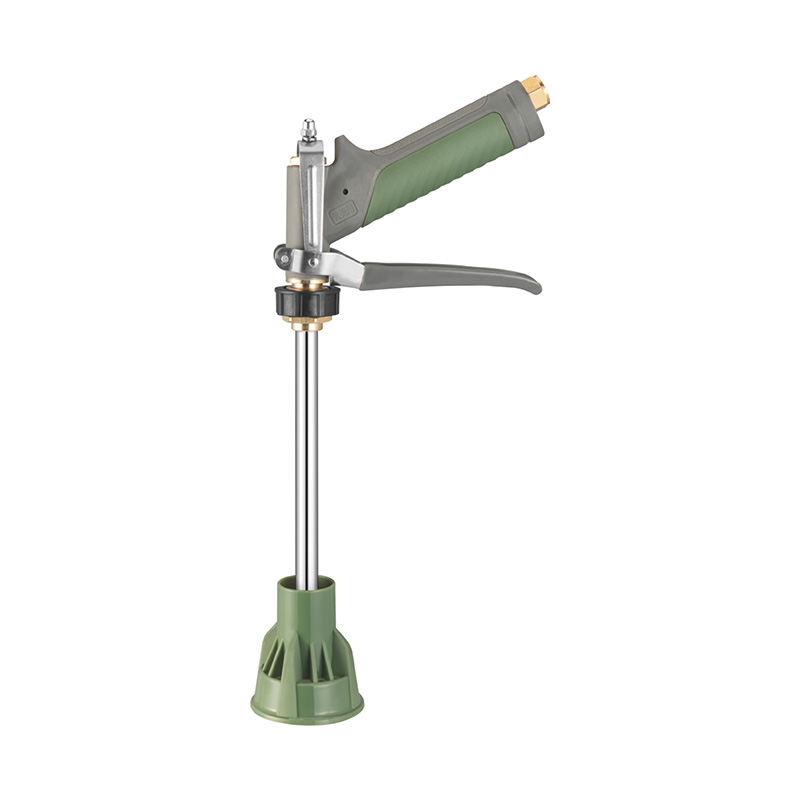
The 461g two-color long gun high-pressure atomizin...
See Details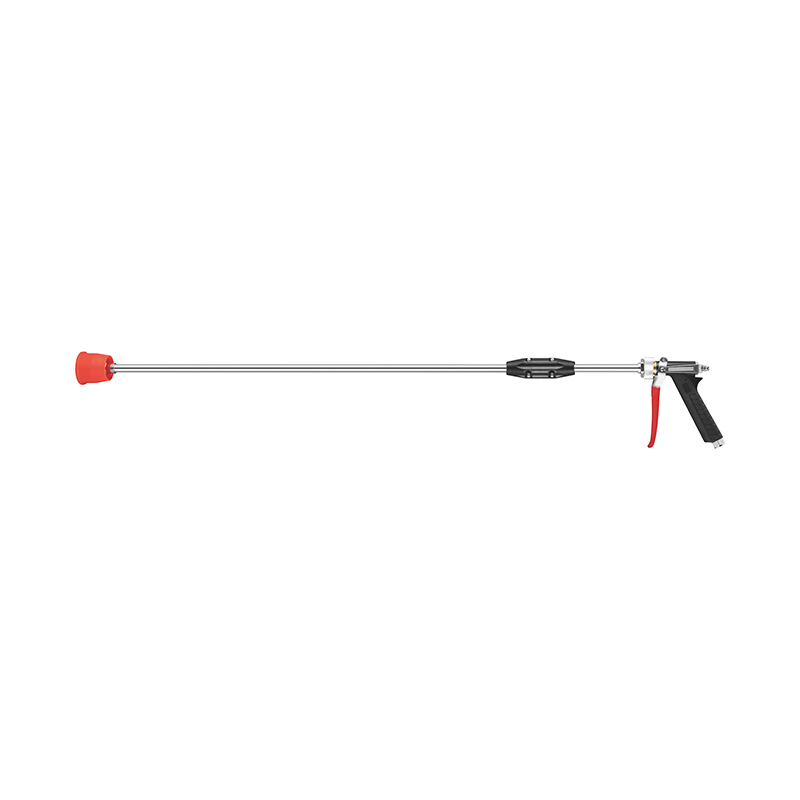
Thank you very much for your attention to our 775g...
See Details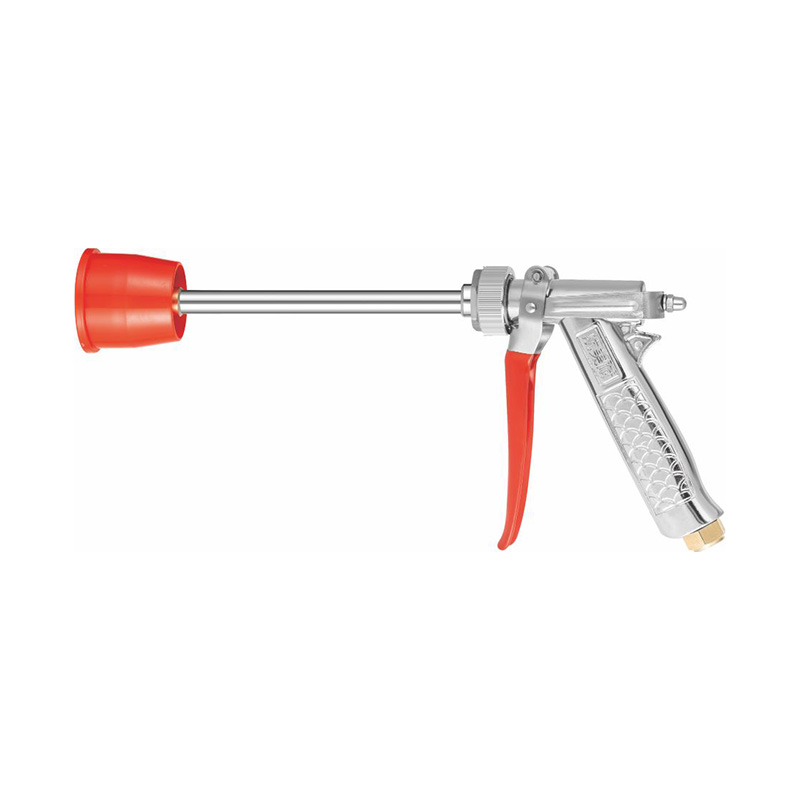
The Aluminum Handle Long Windproof Gun Adjustable ...
See Details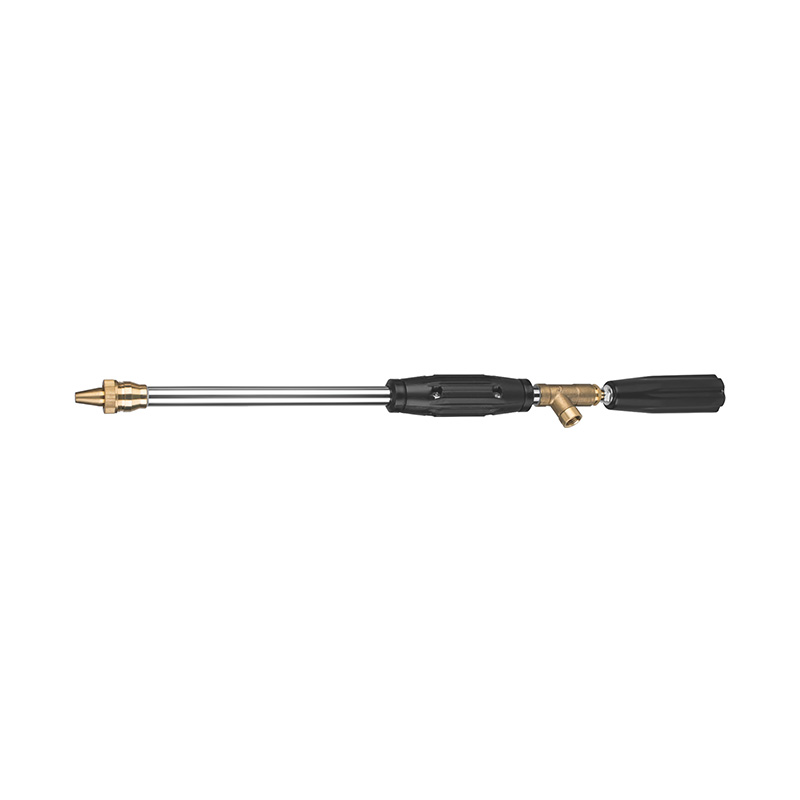
We are proud to introduce our 40/60/90cm weighted ...
See DetailsContinuous innovation
We firmly believe that through continuous development, our products will be able to adapt to the changing market environment, and we can provide users with better and more reliable solutions.
let’s talk