

 English
 Español
 简体中文
简体中文
I am pleased to introduce to you the new 522g adju...
See DetailsMaintaining your garden high pressure spray gun ensures it remains effective and durable over time. Proper care involves understanding key components like the agricultural pressure adjustable nozzle and following routine steps to support performance.
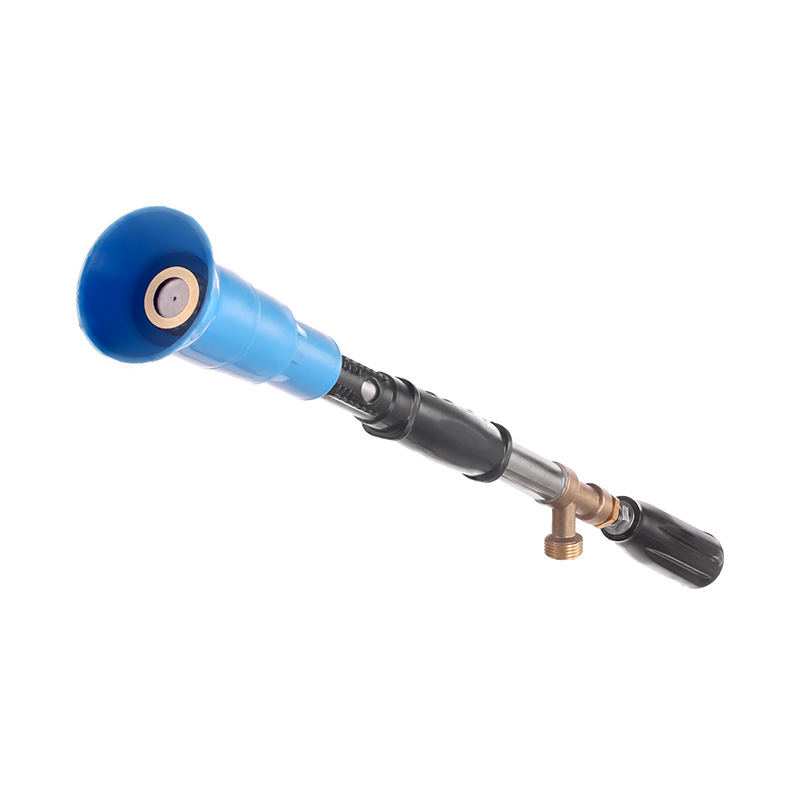
A garden high pressure spray gun consists of several parts that require attention. The agricultural pressure adjustable nozzle controls water flow and spray patterns, while other elements like connectors, handles, and spray tubes contribute to overall functionality. Familiarizing yourself with these parts allows for targeted maintenance. For instance, the nozzle regulates pressure and dispersion, making it a focal point for upkeep. Connectors secure water sources, handles provide control, and spray tubes deliver water. Knowing how each part functions helps in identifying issues early and applying appropriate care measures.
Cleaning your spray gun after each use prevents residue buildup and clogs. Start by disconnecting the gun from the water source and releasing any remaining pressure. Then, follow these steps:
Regular cleaning maintains water flow consistency and reduces wear on components. It also helps the agricultural pressure adjustable nozzle perform as intended, supporting accurate spray patterns.
The nozzle is critical for controlling spray intensity and range. Inspect it periodically for signs of wear or damage. Check the nozzle opening for cracks, erosion, or blockages that could affect water distribution. If the nozzle has adjustable settings, test each setting to ensure smooth operation and consistent output. Clean the nozzle with a pin or small tool to clear any clogs, but be gentle to avoid altering the aperture size. If damage is evident, consider replacing the nozzle to maintain spraying accuracy. This proactive approach supports the spray gun’s functionality and aligns with the role of accessories in enhancing performance.
Connectors and seals ensure a tight fit between the spray gun and water source, preventing leaks that can reduce pressure and efficiency. Examine connectors for cracks, corrosion, or loose fittings. Tighten any loose parts carefully to avoid over-tightening, which might cause damage. Replace worn seals or gaskets promptly, as they are often inexpensive but vital for preventing water loss. After inspection, apply a light coating of silicone grease to seals to keep them pliable and effective. This step contributes to the spray gun’s stability during operation, reflecting how accessory quality influences reliability.
Handles and triggers are frequently used parts that require attention to ensure comfortable operation. Inspect the handle for cracks or wear, especially if it’s made of plastic or composite materials. Clean the handle with a damp cloth to remove grime, and check that it attaches securely to the spray gun body. For triggers, test the movement to ensure it activates smoothly without sticking. If the trigger controls pressure adjustments, verify that it responds correctly to changes in settings. Lubricate moving parts occasionally with a water-safe lubricant to reduce friction. Proper care of these components supports user comfort and operational consistency.
Spray tubes and hoses transport water under pressure, so their condition directly affects performance. Look for kinks, leaks, or brittleness in the tubing. Straighten any kinks to restore water flow, and patch small leaks with appropriate tape or replace sections if damage is extensive. For hoses, ensure connections are tight and free from cracks. Store tubes and hoses coiled loosely to prevent creasing or stress points. During cleaning, flush them with water to remove internal debris. This maintenance step helps sustain water pressure and aligns with the importance of durable accessories in extending equipment life.
Proper storage extends the life of your garden high pressure spray gun. After cleaning and drying all parts, store the spray gun in a cool, dry place away from direct sunlight or temperatures. Disassemble removable components like the agricultural pressure adjustable nozzle and store them separately in a container to prevent loss or damage. If storing for extended periods, such as over winter, add a few drops of mineral oil to metal parts to inhibit rust. Before reactivating the spray gun, reassemble and test it to ensure everything functions correctly. Seasonal care prevents degradation and prepares the equipment for reliable use when needed.
Even with regular maintenance, issues may arise. Address common problems promptly to avoid further damage. For example, if spray patterns become uneven, inspect the nozzle for clogs or wear. Reduced pressure might indicate leaks in connectors or hose damage. If the trigger sticks, clean and lubricate it. Keep a basic toolkit handy for minor adjustments, and refer to the manufacturer’s guidelines for specific repair instructions. Troubleshooting reinforces the value of routine care and helps users maintain their spray guns without frequent professional interventions.
Following these maintenance steps can help keep your garden high pressure spray gun functioning well. Regular attention to components like the agricultural pressure adjustable nozzle supports consistent performance and longevity.
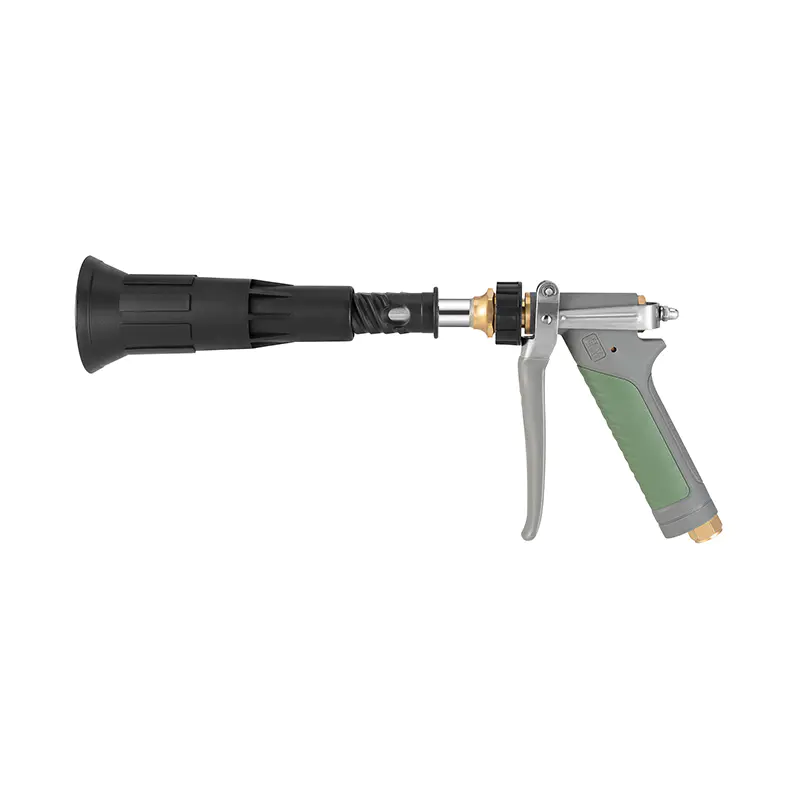
I am pleased to introduce to you the new 522g adju...
See Details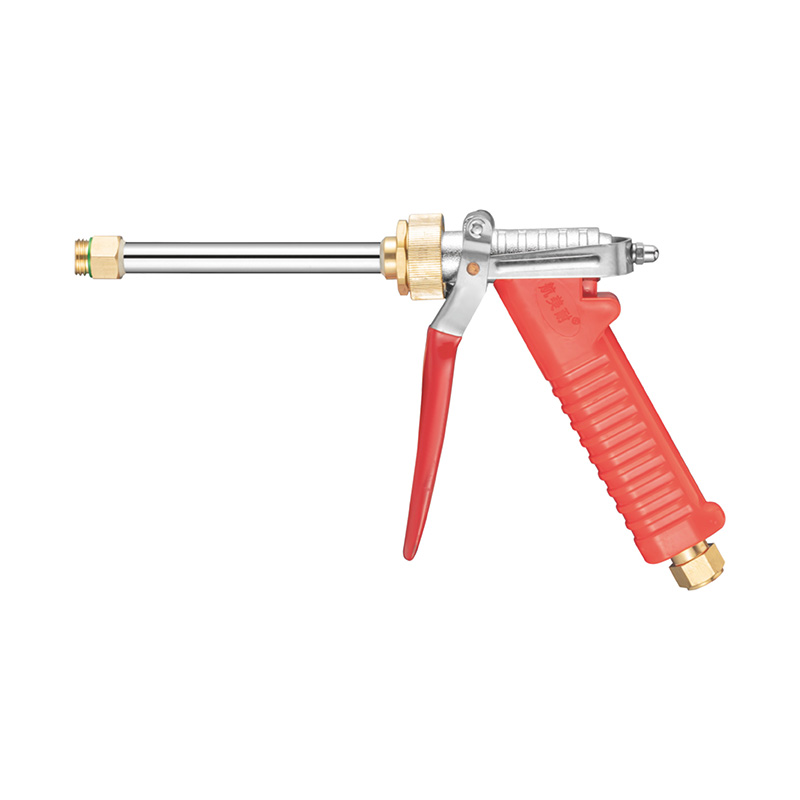
Dear merchant, we are pleased to introduce to you ...
See Details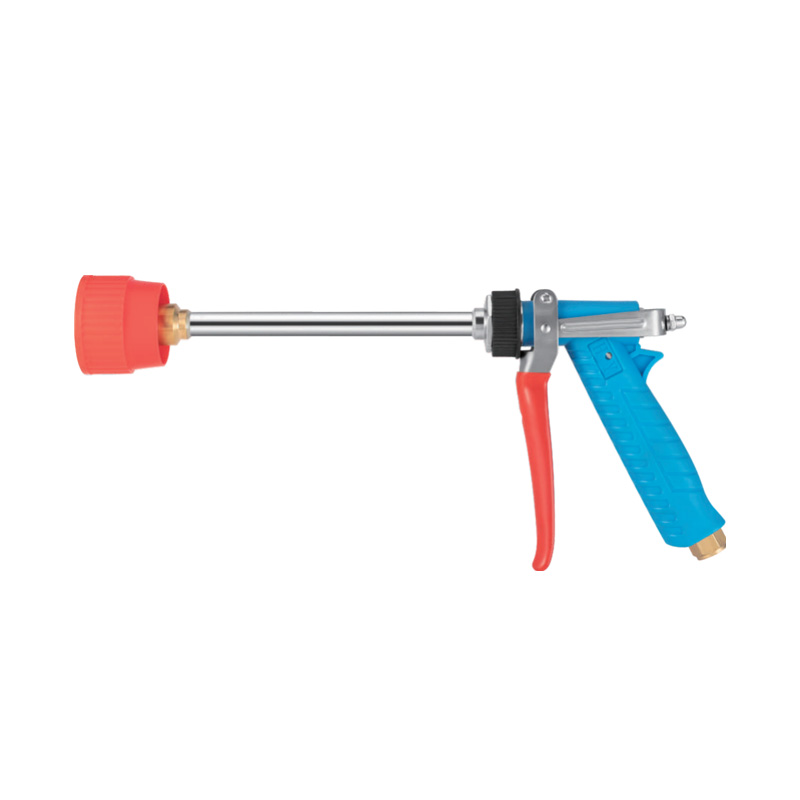
Our long windproof gun and high-pressure sprayer s...
See Details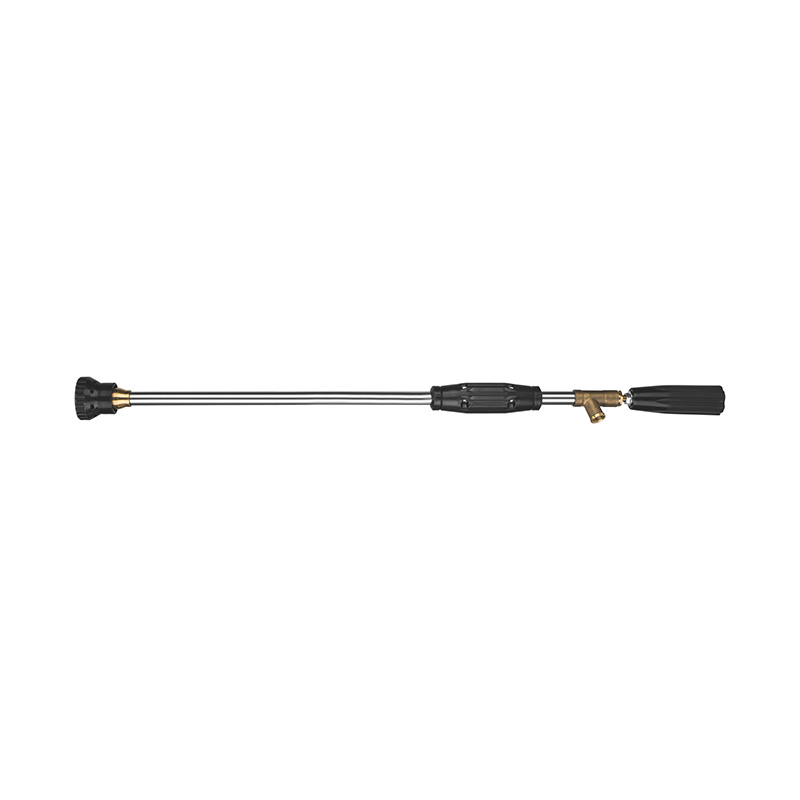
This 40/60/90cm weighted ceramic windproof agricul...
See DetailsContinuous innovation
We firmly believe that through continuous development, our products will be able to adapt to the changing market environment, and we can provide users with better and more reliable solutions.
let’s talk