

 English
 Español
 简体中文
Dear users and buyers, I am honored to introduce t...
See DetailsTaizhou Hangyuan Metal Products Co., Ltd.
Agricultural spraying equipment relies on several components working together, from the pump and hoses to filters, valves, and spray nozzles. Even when each component meets its own specifications, a mismatch between them can affect flow stability, spray distribution, and operating efficiency. For buyers sourcing an Agricultural Pressure Adjustable Nozzle, compatibility deserves as much attention as the nozzle's adjustment function. Selecting a product that suits the complete spraying system can help equipment manufacturers, distributors, and agricultural businesses avoid unnecessary setup problems.

The pump determines the pressure and flow available to the spraying system, while the nozzle influences how liquid is discharged. If the pump cannot provide the required operating conditions, the nozzle may not produce the intended spray pattern or flow rate.
Before confirming a nozzle specification, buyers should identify the pump's working pressure, available flow capacity, and the number of nozzles operating at the same time. These factors help establish whether the system can supply the required liquid volume without placing excessive demands on the pump.
As a manufacturer, reviewing these operating conditions helps clarify which nozzle configuration is appropriate for the intended equipment.
Connection compatibility is a practical purchasing consideration, particularly for distributors supplying replacement parts or equipment manufacturers assembling complete sprayers. Differences in thread type, connection dimensions, or mounting arrangements can complicate installation even when the nozzle's spraying characteristics are suitable.
Buyers should confirm the connection standard, inlet dimensions, and installation method before ordering. If the nozzle will be integrated into a customized spraying assembly, providing drawings or physical interface requirements can help the manufacturer assess the design.
Clear dimensional specifications also make repeat purchasing easier because replacement components can be matched more accurately to existing equipment.
Particles in the liquid can obstruct small nozzle openings and interfere with spray formation. The likelihood of blockage depends on the liquid, the nozzle design, the size of its passages, and the condition of the filtration system.
A suitable filter helps reduce the amount of debris reaching the nozzle, but the filtration arrangement must be appropriate for the complete system. Buyers should consider the filter's rating, maintenance requirements, and compatibility with the intended flow rate.
For nozzle manufacturers, understanding the expected liquid conditions is important when recommending a product. Agricultural applications involving different water sources or liquid formulations may require different filtration arrangements.
An adjustable nozzle should be assessed across the pressure range specified for its intended use. Checking only one operating point may not reveal how the spray pattern and flow rate change when system conditions vary.
During product evaluation, buyers can review:
These checks provide a more practical basis for comparing products than relying on the adjustment feature alone. Actual performance should be verified under conditions representative of the intended application.
Agricultural spraying may involve water, fertilizers, or crop treatment liquids with different chemical properties. A nozzle material that performs adequately with water may not be suitable for every formulation or cleaning agent.
Material selection should therefore account for the intended liquid, operating temperature, exposure duration, and maintenance procedure. Buyers should communicate these conditions before confirming an order, particularly when sourcing nozzles for specialized applications.
Manufacturers can use this information to recommend suitable material options and identify any limitations that need to be considered during product selection.
Nozzles are exposed to repeated operation, liquid contamination, and routine handling. Over time, wear or damage can change the discharge characteristics and make performance less consistent.
A practical design should allow users to inspect relevant components and carry out the maintenance described in the product instructions. Buyers purchasing for distribution should also consider whether product specifications are documented clearly enough to support future replacement orders.
Consistent dimensions, identifiable models, and repeatable manufacturing processes help simplify product management for both equipment assemblers and distributors.
An Agricultural Pressure Adjustable Nozzle should be selected according to the pump capacity, connection design, filtration arrangement, liquid compatibility, and required spraying performance. For overseas buyers, sharing the equipment specifications and intended application with the manufacturer can make product matching more precise. By evaluating compatibility before production or purchase, businesses can reduce installation difficulties and build a spraying system that better reflects actual agricultural operating requirements.
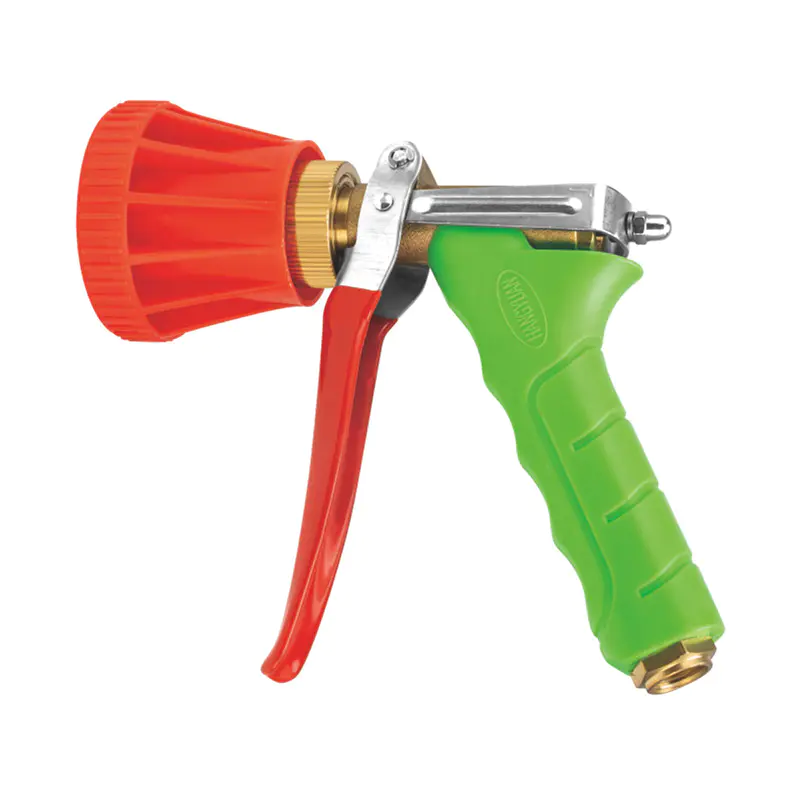
Dear users and buyers, I am honored to introduce t...
See Details
As a spraying tool with innovative design and high...
See Details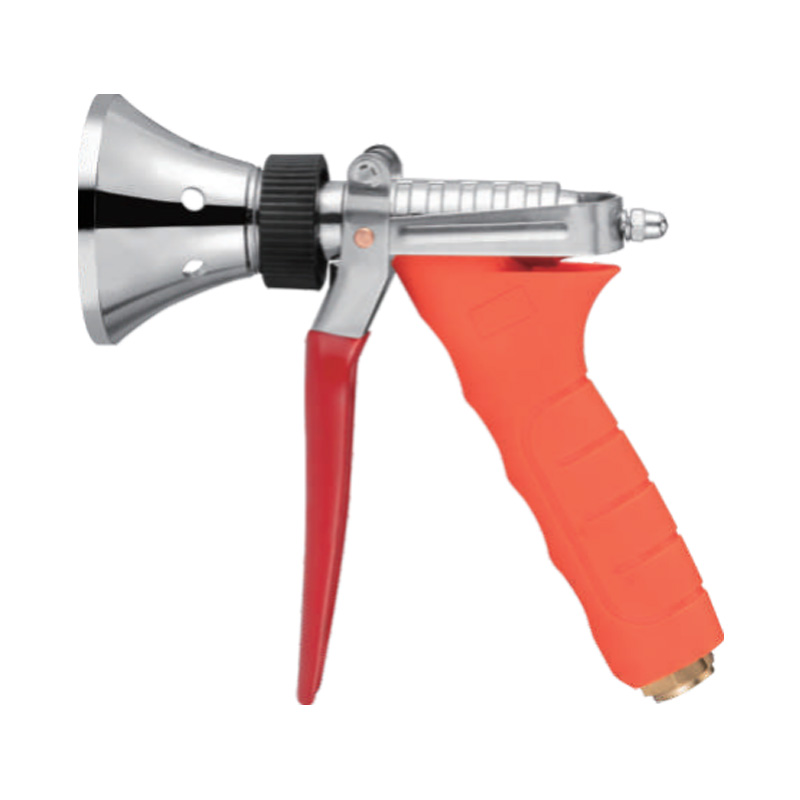
This 249g hollow windshield pesticide fine mist sp...
See Details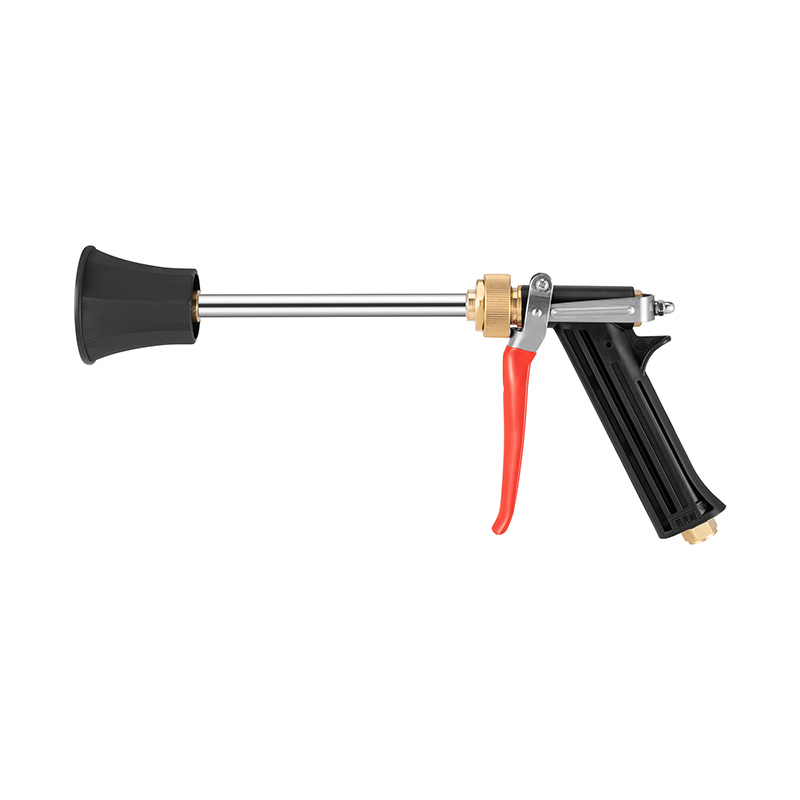
This is a long-handled PP windshield windshield gu...
See DetailsContinuous innovation
We firmly believe that through continuous development, our products will be able to adapt to the changing market environment, and we can provide users with better and more reliable solutions.
let’s talk