

 English
 Español
 简体中文
As a professional farmland spraying tool, Hangyuan...
See DetailsAgricultural spraying requirements vary between small family farms, commercial plantations, greenhouses, and professional crop-care services. Some users need a straightforward tool for routine plant treatment, while others require equipment that can connect to existing high-pressure spraying systems and support frequent field operations. For agricultural equipment distributors and importers, offering the same spray gun configuration to every customer may not address these differences. Selecting a Straight Agricultural Spray Gun should begin with an understanding of the working environment, equipment compatibility, operator preferences, and expected application.
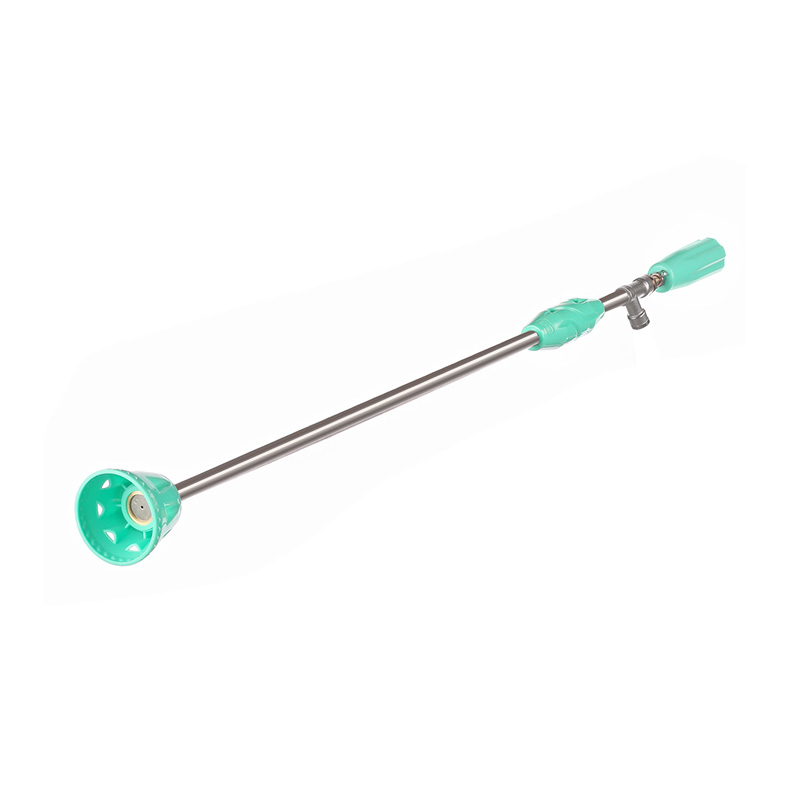
The step in product selection is identifying where and how the spray gun will be used. A small farm may prioritize simple operation and convenient storage, while a commercial growing operation may focus on compatibility with existing pumps, hoses, and spraying equipment.
Greenhouse applications can involve restricted working spaces and closely arranged plants. Orchards and larger outdoor growing areas may require operators to reach different sections of trees or crops. These environments create different expectations for spray gun length, handling, connection arrangements, and nozzle configuration.
For distributors, understanding the main customer groups helps build a more practical product range instead of relying on a single model for every application.
A spray gun does not operate independently. Its performance and suitability depend on the pump, hose, fittings, and operating pressure of the complete spraying system.
Before confirming a model, buyers should compare the spray gun's specified working conditions with the equipment already used by their customers. Important details include inlet dimensions, connection type, pressure requirements, and compatible flow conditions.
This is particularly relevant for replacement purchases. Even when two spray guns have a similar appearance, differences in connector specifications or operating requirements may prevent direct substitution. Manufacturers should therefore encourage buyers to provide technical drawings or samples when compatibility is uncertain.
Different users may prefer different handle shapes, trigger positions, and overall spray gun lengths. These preferences can influence how easily operators direct the equipment during repeated work.
A straight spray gun provides a direct operating configuration, but its practical suitability still depends on the target area and the user's working position. Buyers should consider whether the handle offers a secure grip and whether the trigger can be operated comfortably with the intended hand position.
For professional distributors, product samples can be useful during evaluation. Testing the grip and basic operation before placing a larger order helps identify potential differences between product specifications and actual user expectations.
Nozzle configuration influences the direction and characteristics of the spray. A product intended for a particular crop-care task may require a different nozzle arrangement from one used for general outdoor spraying.
When developing a product range, buyers should consider:
These factors should be evaluated together. A nozzle should not be selected solely because it produces a concentrated or wider spray; it must also be compatible with the pump and application requirements.
Importers often serve customers with different equipment and application preferences. However, introducing too many similar models can make inventory management and product selection difficult.
A more practical approach is to identify the differences that genuinely matter to customers. For example, product variations may involve connection specifications, handle configuration, nozzle options, or material selection. Each version should have a clear application purpose.
As a manufacturer, it is important to understand which specifications are essential to the buyer's market and which features may add unnecessary complexity. This discussion can help create a product assortment that is easier to explain, stock, and reorder.
For private-label buyers and agricultural equipment brands, customization may involve more than adding a logo. Product drawings, material requirements, connection dimensions, packaging, and accessory combinations may all need to be confirmed before production.
A clear product brief should include the intended application, compatible spraying equipment, required specifications, target market, and expected order quantity. If an existing product is being used as a reference, providing a sample can help clarify dimensions and assembly expectations.
Manufacturers can then review whether the requested configuration is suitable for production and identify details that need confirmation before sample approval.
Agricultural equipment buyers benefit from products that correspond to actual working conditions rather than unnecessary specification variations. A suitable Straight Agricultural Spray Gun should match the spraying system, operator preferences, application environment, and maintenance expectations.
For overseas distributors and equipment brands, working with a manufacturer during product selection can make it easier to coordinate specifications, accessory options, and customized configurations. By evaluating these requirements together, buyers can develop a more practical spray gun range for different farm operations and provide customers with equipment that fits their existing spraying systems.
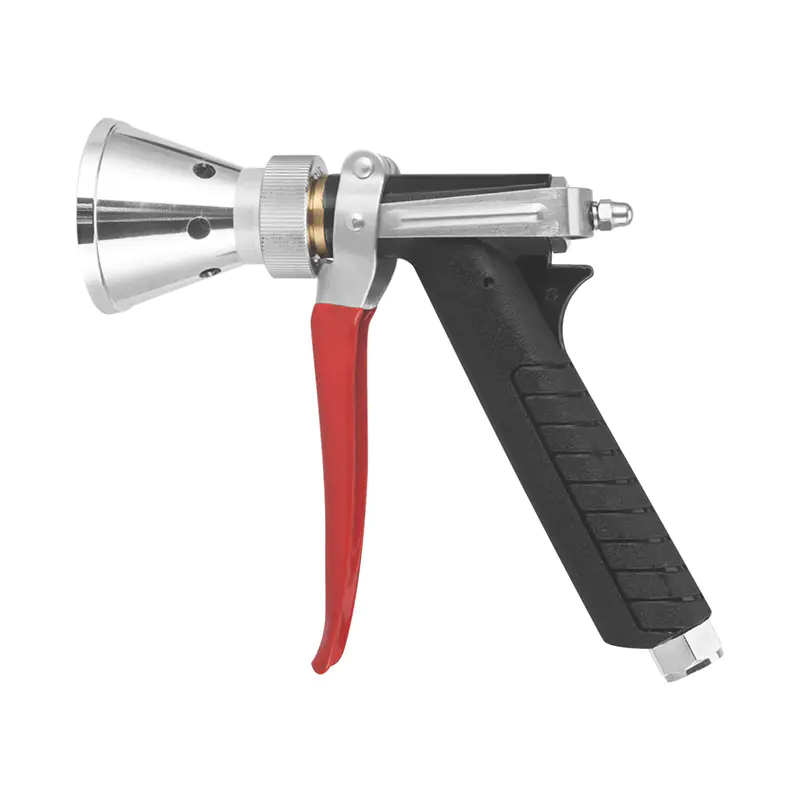
As a professional farmland spraying tool, Hangyuan...
See Details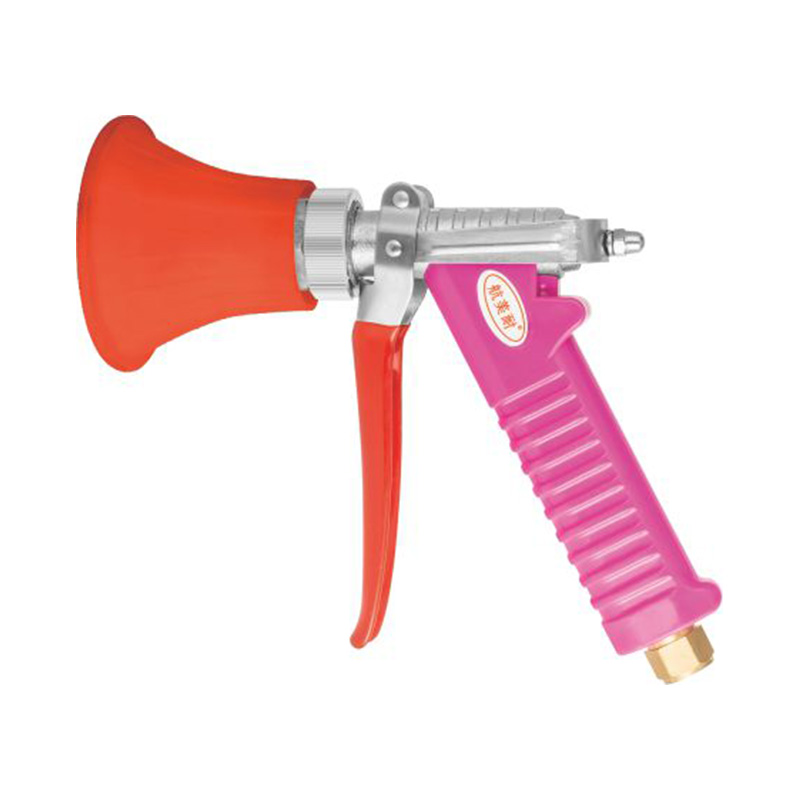
Landscaping and farmland spraying operations have ...
See Details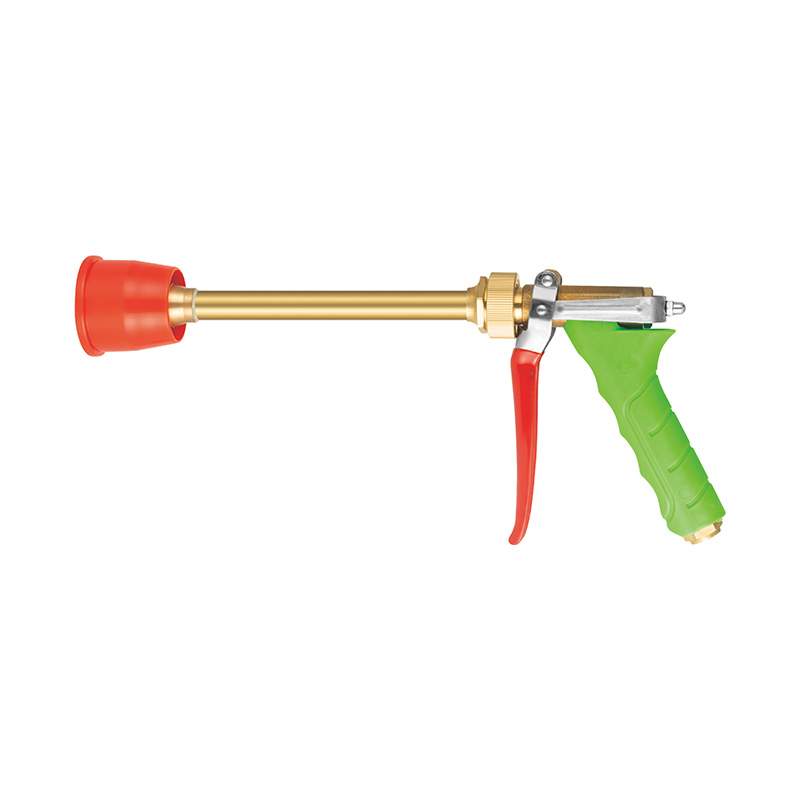
Dear customer, I am pleased to introduce to you th...
See Details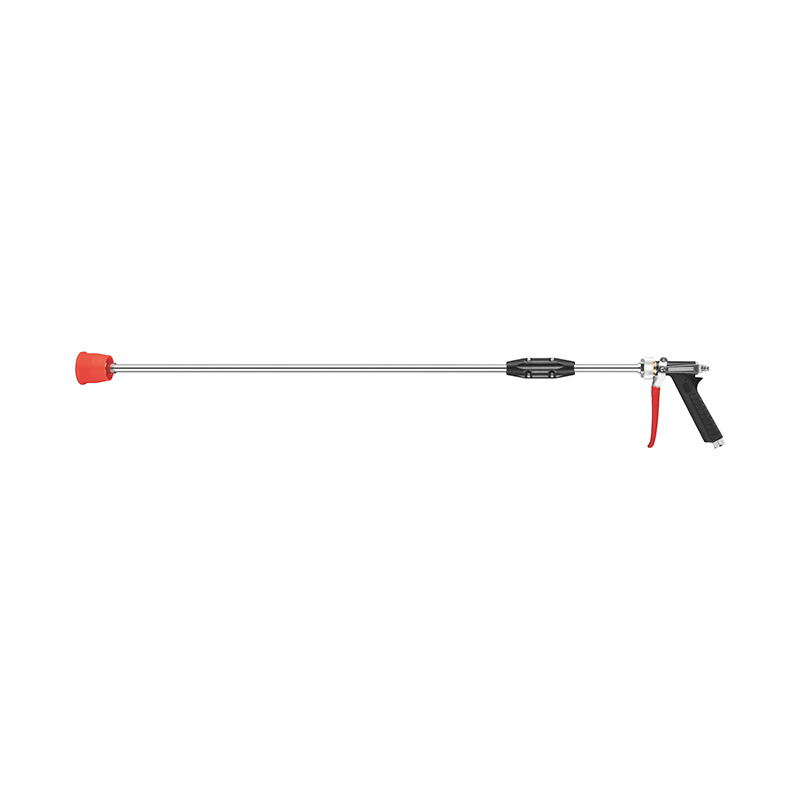
Thank you very much for your attention to our 775g...
See DetailsContinuous innovation
We firmly believe that through continuous development, our products will be able to adapt to the changing market environment, and we can provide users with better and more reliable solutions.
let’s talk