

 English
 Español
 简体中文
As a professional farmland spraying tool, Hangyuan...
See DetailsAgricultural spraying requires more than a suitable pump and chemical solution. The spray gun also influences how efficiently operators cover crops, reach different areas, and control the amount of liquid applied. Uneven coverage, excessive spray drift, and uncomfortable handling can make routine fieldwork more difficult. For agricultural equipment distributors and farm supply buyers, selecting a Straight Agricultural Spray Gun involves evaluating spray performance, trigger control, material compatibility, and connection specifications. Understanding these details helps buyers choose equipment that matches different spraying tasks rather than relying on appearance or price alone.

Different crops and spraying conditions require different spray patterns. Some applications call for a concentrated stream to reach specific areas, while others need a more distributed spray for broader coverage. A straight spray gun is generally selected according to its intended spray direction, nozzle configuration, and operating requirements.
Buyers should identify the typical crop types, target areas, and spraying distances before comparing models. It is also important to understand whether the spray pattern is adjustable or determined by the nozzle design. Matching the spray gun to the task can help operators work with greater control and reduce unnecessary liquid application.
Spraying performance depends on the relationship between pressure, flow rate, nozzle opening, and operator control. If the flow is not suitable for the application, users may apply too much liquid in one area or spend additional time completing the task.
A practical agricultural spray gun should allow operators to manage the liquid output according to its design. Buyers should check the product's operating pressure range, compatible flow conditions, and trigger response. These specifications should be considered together with the pump and hose system rather than evaluated independently.
For manufacturers, designing a spray gun means considering how the internal passage, valve structure, and nozzle work together under the intended operating conditions.
Agricultural spraying often involves reaching plants at different heights or working around dense foliage. The length and shape of the spray gun can affect how easily operators direct the spray toward the intended area.
A straight configuration may be useful when a direct spraying direction is preferred, but overall handling still matters. Weight distribution, grip shape, trigger position, and connection angle can influence comfort during repeated operation.
For distributors serving different agricultural markets, it is worth comparing how a product feels in the hand and whether its design suits the working habits of the target users.
Agricultural spraying equipment may come into contact with water, fertilizers, and different spray solutions. The materials used in the gun body, internal seals, valve components, and nozzle should therefore be suitable for the intended application.
Buyers should not assume that every spray gun is compatible with every agricultural chemical. Compatibility depends on the specific formulation, concentration, temperature, exposure time, and material specifications. Users should follow the chemical manufacturer's instructions and confirm equipment compatibility before operation.
When evaluating a supplier, procurement teams can request information about the materials used in key components and the recommended cleaning procedures after use.
A spray gun needs to connect properly with the existing agricultural spraying system. Differences in thread type, hose diameter, connector design, and pressure requirements can create installation problems if they are not confirmed in advance.
Before purchasing, buyers should verify:
Providing drawings or samples of existing connections can help manufacturers confirm compatibility more accurately, particularly for customized or replacement orders.
Residue, dirt, and dried spray solution can affect the nozzle and internal valve components. If the spray gun is not cleaned according to the manufacturer's instructions, its spray pattern or trigger operation may become inconsistent.
Routine care should include checking the nozzle for blockage, inspecting seals and connections, and cleaning the equipment after use. Buyers should also consider whether replacement nozzles and sealing components are available, especially when supplying professional users who depend on equipment throughout the growing season.
Clear maintenance instructions are useful for both distributors and end users because they explain how to care for the product under normal working conditions.
A suitable agricultural spray gun is developed around the complete spraying system, not just the external shape of the product. Spray direction, flow control, operating pressure, material compatibility, and connection design all influence whether the equipment fits the intended task.
For overseas buyers sourcing a Straight Agricultural Spray Gun, discussing crop applications, pump specifications, hose connections, and chemical exposure conditions with the manufacturer can make product selection more precise. A manufacturer that considers these practical requirements during product development can help distributors build a more suitable product range for different agricultural spraying needs.
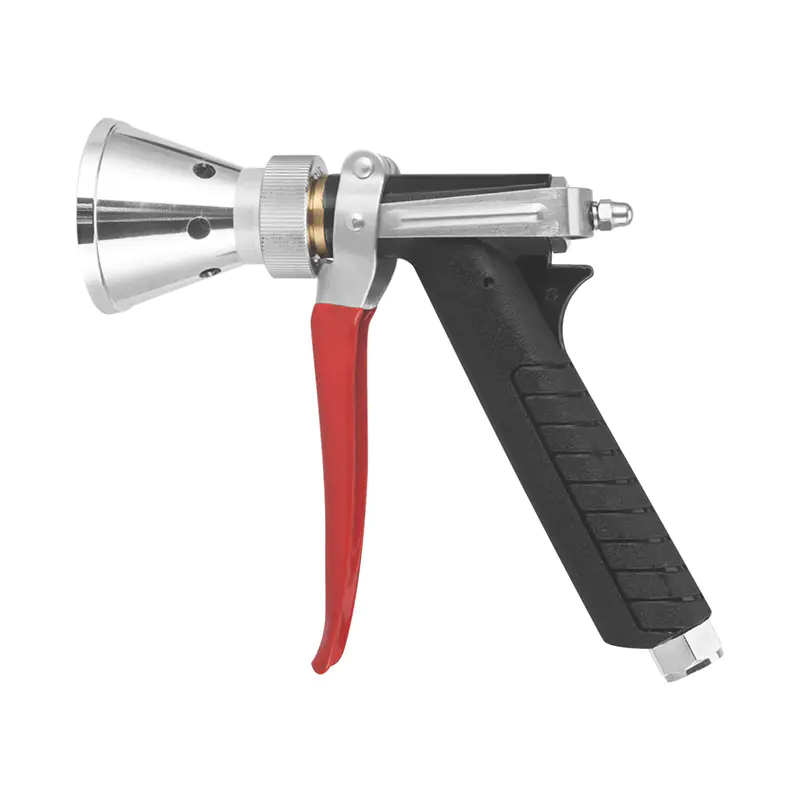
As a professional farmland spraying tool, Hangyuan...
See Details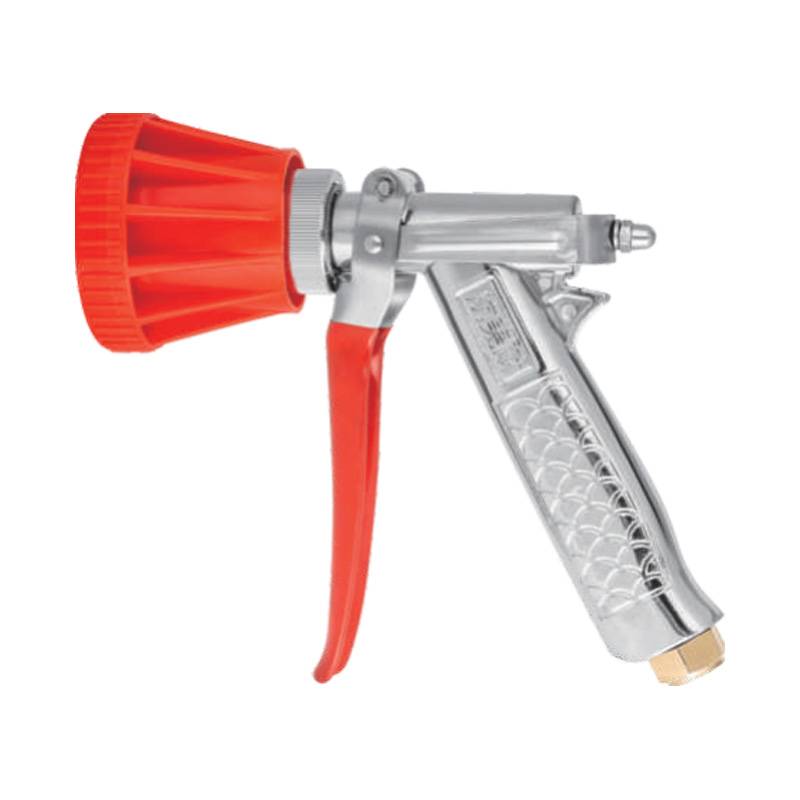
Dear buyers, Hangyuan is honored to have the oppor...
See Details
It is our honor to introduce to you the 499g elect...
See Details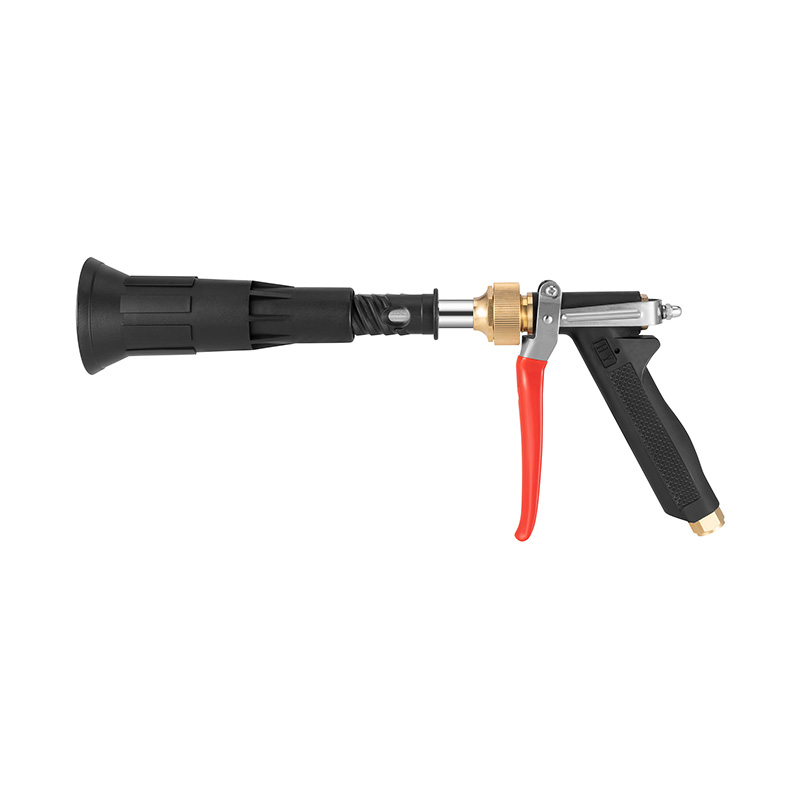
Dear customer, thank you for your attention to our...
See DetailsContinuous innovation
We firmly believe that through continuous development, our products will be able to adapt to the changing market environment, and we can provide users with better and more reliable solutions.
let’s talk