

 English
 Español
 简体中文
The Weighted Silver Ceramic Nozzle Adjustable Atom...
See DetailsAgricultural spraying is not simply about delivering liquid to plants. Operators also need to control where the spray goes, how evenly it reaches the target, and how much product may be lost during application. Wind, plant density, spraying distance, and equipment configuration can all influence the result. For agricultural equipment distributors and professional buyers, choosing a Straight Agricultural Spray Gun involves understanding these working conditions rather than focusing only on the product's external design. A suitable configuration can help operators manage spray direction more carefully and make better use of their existing spraying equipment.
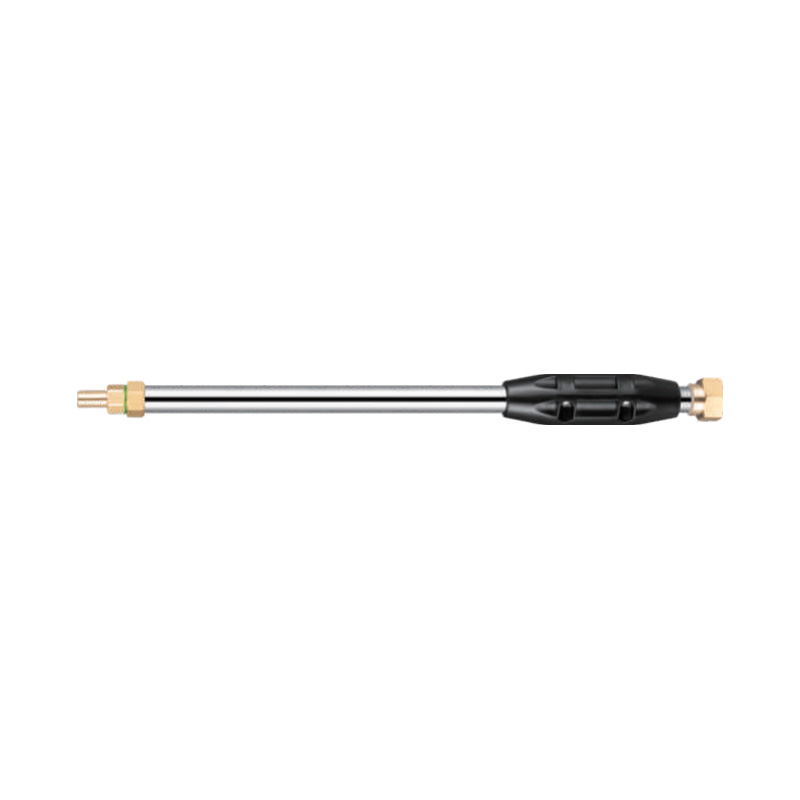
The distance between the operator and the target area affects how easily the spray can be directed. In orchards, operators may need to reach foliage at different heights, while greenhouse users often work around closely spaced plants and restricted walkways.
A spray gun should therefore be evaluated according to the typical crop arrangement and working distance. Buyers should consider its length, nozzle configuration, operating pressure, and the type of spraying system with which it will be used. A product suitable for a compact greenhouse may not provide the same handling experience in a large outdoor growing area.
Manufacturers should understand these application differences when recommending product configurations to distributors.
The ability to direct the spray toward the intended area is an important part of agricultural application. If the operator cannot maintain a suitable angle, liquid may reach surrounding surfaces or areas that do not require treatment.
The design of the spray gun, handle position, nozzle orientation, and operator's working posture all influence directional control. A straight configuration can be useful when a direct spraying position is preferred, but the correct technique still depends on the crop structure and application instructions.
Buyers should evaluate how easily the spray gun can be aimed and controlled during representative working conditions rather than judging it only from product photographs.
Spray drift occurs when droplets move away from the intended target. Wind speed and direction, droplet size, nozzle selection, pressure, and spraying distance can all influence this movement.
A spray gun alone cannot eliminate drift. Operators need to follow the product label, local application regulations, and recommended spraying practices. Equipment selection should support those practices by allowing users to work within the intended pressure and nozzle specifications.
For distributors, providing clear operating information can help customers understand that spraying performance depends on both equipment configuration and field conditions.
Different nozzle designs produce different spray characteristics. A concentrated stream and a more dispersed pattern serve different purposes, so buyers should avoid assuming that one nozzle is suitable for every crop and treatment.
When comparing a Straight Agricultural Spray Gun, procurement teams should review:
The selected nozzle should be compatible with the complete spraying system. If the pump, hose, or pressure setting does not match the nozzle requirements, the actual spray result may differ from expectations.
Even a properly selected spray gun cannot compensate for unsuitable weather. Wind can carry droplets away from the target, while temperature and humidity may influence how quickly spray droplets evaporate.
Agricultural users should follow the chemical manufacturer's instructions and local guidance when deciding whether conditions are suitable for spraying. Buyers supplying professional users can also consider whether the product documentation explains basic operating precautions and recommended application practices.
This is particularly important for equipment used across different regions, where climate and field conditions may vary.
The spray gun needs to work with the pump and hose system as a complete unit. Inlet dimensions, connection types, pressure ratings, and flow requirements should be confirmed before procurement.
A mismatch may cause installation difficulties or prevent the equipment from operating within its specified conditions. For replacement orders, buyers should provide the existing connection details or a product sample when necessary.
As a manufacturer, it is important to review these technical details before confirming a product configuration. Clear specifications also help overseas distributors compare models and communicate product requirements to their customers.
Effective agricultural spraying depends on several connected factors: crop layout, spray direction, nozzle selection, working pressure, weather conditions, and operator technique. No single product feature can determine the result on its own.
For overseas buyers sourcing a Straight Agricultural Spray Gun, discussing the intended crop application, spraying distance, pump specifications, and nozzle requirements with the manufacturer can help identify a suitable configuration. By evaluating the complete spraying process before ordering, distributors can select products that better match professional users' needs while supporting more controlled and responsible agricultural application.
The Weighted Silver Ceramic Nozzle Adjustable Atom...
See Details
Dear customer, I am very happy to introduce to you...
See Details
We are pleased to introduce to you the high-pressu...
See Details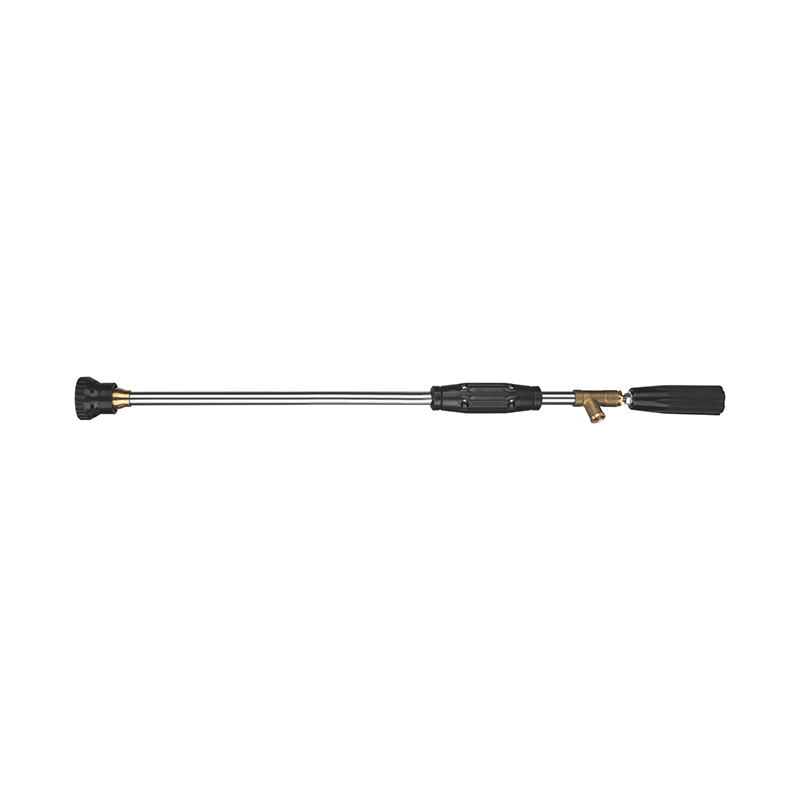
This 40/60/90cm weighted ceramic windproof agricul...
See DetailsContinuous innovation
We firmly believe that through continuous development, our products will be able to adapt to the changing market environment, and we can provide users with better and more reliable solutions.
let’s talk