

 English
 Español
 简体中文
简体中文
In modern agricultural production, the choice of s...
See DetailsToday, field workers feel a strong need to use water carefully while still protecting their crops. This makes many farmers look at their equipment. They want to know if better tools can help them use spray resources more wisely. Two tools getting notice are the Agricultural High Pressure Spray Nozzle and the Pesticide Spray Gun Nozzle. These are known for their controlled spray and accurate liquid delivery. When used the right way, these tools can help users waste less water during normal farm work. At the same time, they keep application coverage even.
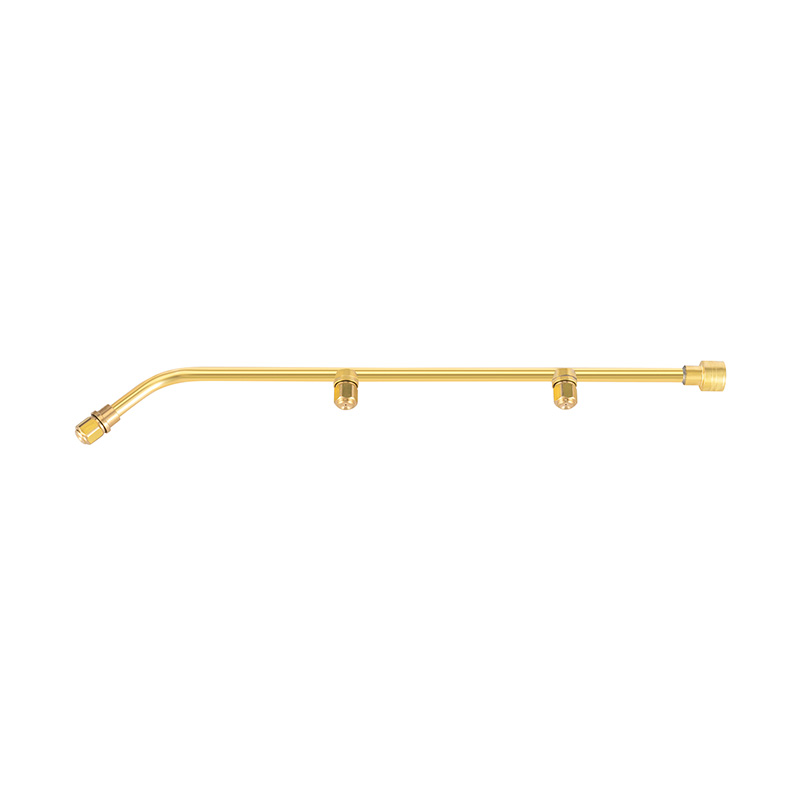
Saving water in spraying often begins with the tool's design. For example, ceramic nozzles have a hard surface. This keeps the spray opening steady after long use. It helps avoid changes in flow rate. Such changes often happen with metal nozzles worn down by chemicals or friction. When the opening stays the same, workers can better predict how much liquid comes out. This stops too much output.
Also, a short-gun shape made for high-pressure spray can create an even mist with fewer big drops. Big drops tend to fall fast and pool in one spot. This often leads to using too much and causes waste. A finer mist spreads liquid more evenly on plants. This lets crops get the right amount of solution. It means workers do not need to spray the same area many times.
A wind-resistant body also helps control spraying by reducing drift. Drift sends spray into the air instead of onto the crops. This increases the total volume needed. A nozzle with a windproof design can help keep the spray direction steady outdoors. This is especially useful in open fields where the wind changes often.
Workers rarely deal with only one crop type or plant height. So, adjusting the spray angle is key for managing water. If the spray angle is too wide for the target, liquid goes past the crop row. If the angle is too narrow, the liquid might not cover the whole plant. Then, extra passes are needed.
By changing the angle to fit the plant's shape, users can cover leaves and stems in one pass. This cuts down on repeated spraying, which usually wastes more water. In orchards, for example, a bit narrower angle can reach tree tops without sending lots of liquid into the nearby soil. For vegetable fields, a wider angle can give better coverage when plants are low and close together.
Changing the spray volume also helps control water use. Many short-gun designs let workers adjust water flow based on what the crop needs or how strong the pesticide must be. Instead of using a tool with a fixed volume, an adjustable nozzle allows the spray to match real conditions.
High-pressure spraying does not always mean using more water. When pressure is sent through a precise nozzle opening, the spray can reach plant surfaces better. This is very important for thick canopies, tall crops, or leaves that naturally shed liquid.
Because the spray reaches inner leaves more easily, workers may not need to use more water to compensate. Crops like fruit trees, corn, and vines often need this deeper coverage. A high-pressure nozzle can do this without extra liquid.
The strong and steady spray pattern also reduces the chance of spraying past the target area. When workers use equipment with an unsteady spray, they often cover a wider area to be sure all leaves are treated. A consistent high-pressure stream takes away this guesswork. It helps keep the liquid within the planned zone.
Outdoor spraying often faces problems from wind. When fine drops are blown away by wind, workers must use more volume to make up for lost coverage.
A nozzle or short gun with wind-resistant features helps keep the stream steadier. This is true even in open fields or during times like early morning and late afternoon when wind often shifts. This design can cut the amount of liquid lost to the air. It also makes drop placement more accurate.
In crops like wheat, rice, and corn, fields are wide and open to air movement. Here, a windproof design can clearly improve spray efficiency. Less drift means more of each drop reaches the crop surface. This lowers the total water used for each task.
Different farming settings show different benefits when using better nozzles.
In orchards, being able to adjust spray patterns helps workers avoid too much dripping near tree roots. This helps keep soil moisture balanced without adding unneeded water.
In vegetable farming, steady spray output lets workers move fast without going over the same spot again. This often reduces daily water use during pest control.
For field crops, mixing high-pressure coverage with less drift helps spread liquid across wide planting areas. Workers do not need to make up for spray that misses the target.
Flower growers, who often handle delicate petals, gain from fine spray patterns. These coat flowers without soaking them. This reduces the total water load in sensitive settings.
In all these cases, controlled delivery and strong equipment help keep results steady over time. This reduces the need for replacements or readjustments. Without this, spray accuracy could suffer.
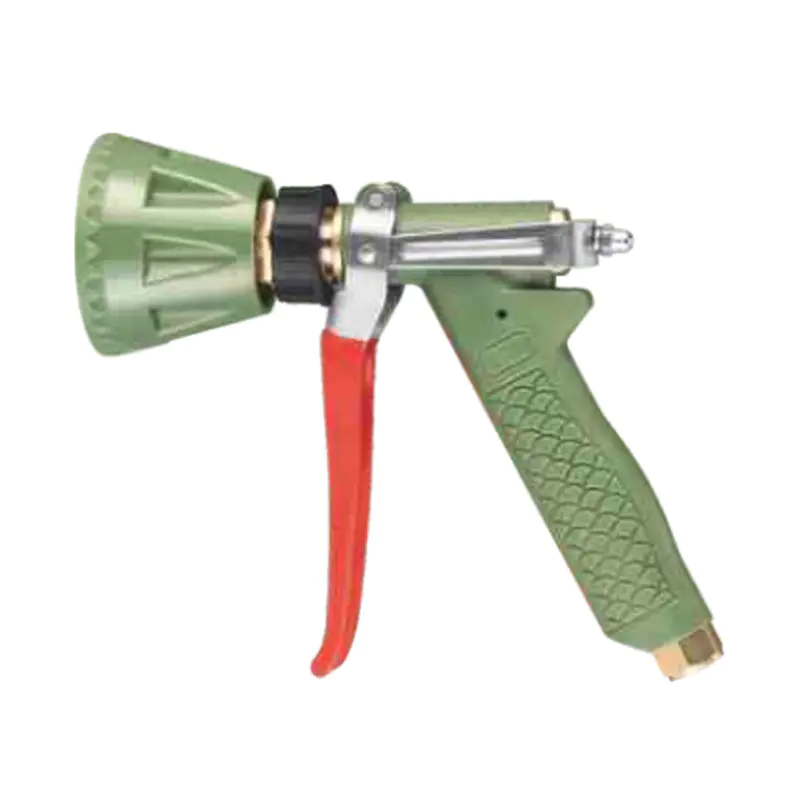
In modern agricultural production, the choice of s...
See Details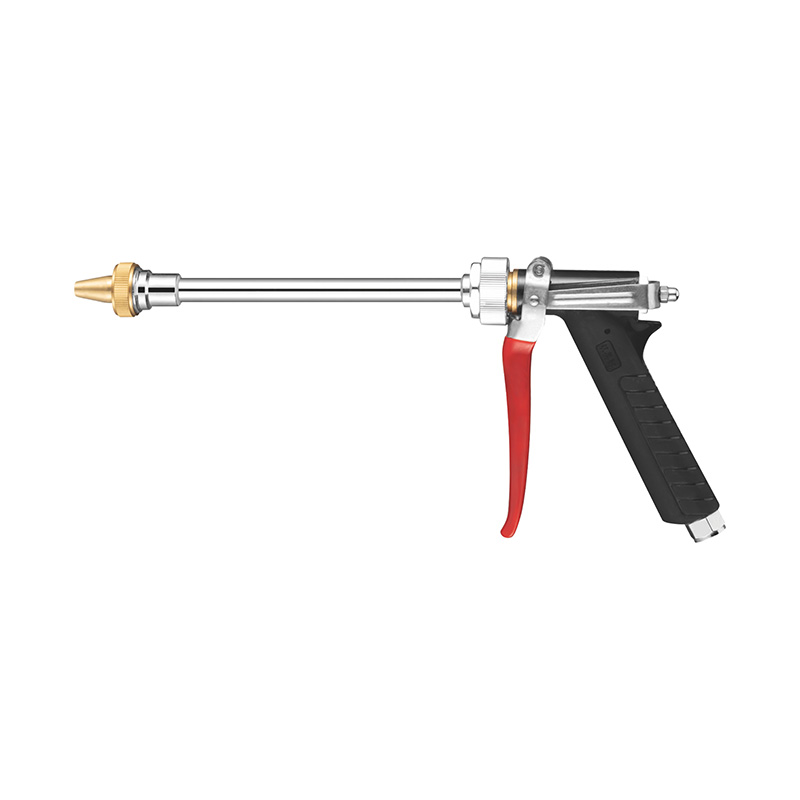
We are pleased to introduce to you our company's c...
See Details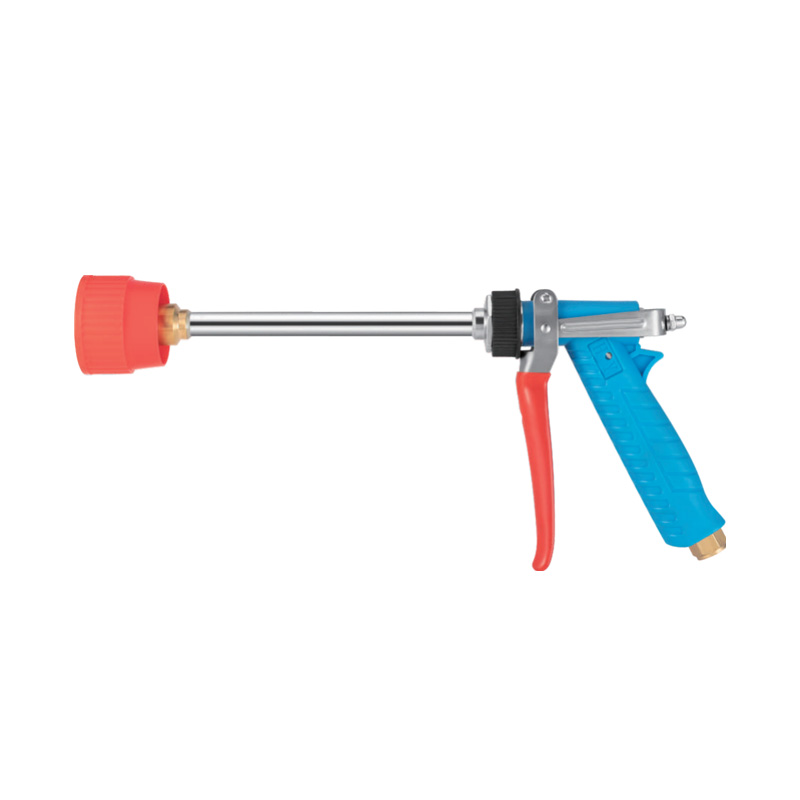
Our long windproof gun and high-pressure sprayer s...
See Details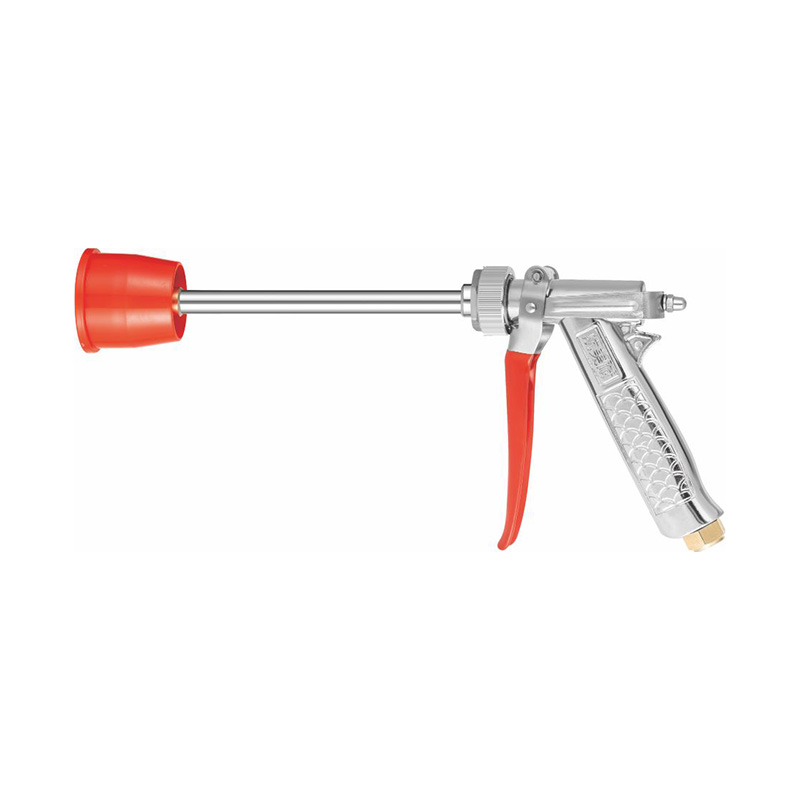
The Aluminum Handle Long Windproof Gun Adjustable ...
See DetailsContinuous innovation
We firmly believe that through continuous development, our products will be able to adapt to the changing market environment, and we can provide users with better and more reliable solutions.
let’s talk